

Why Soot and Smoke Damage Should Be Cleaned Quickly After a Fire
Once the flames are extinguished, it may seem like the damage from a fire has stopped. Unfortunately, smoke and soot can continue affecting a home or business long after the fire is out.
Soot particles can travel well beyond the area where the fire occurred, settling on walls, ceilings, cabinets, furniture, flooring, HVAC components, electronics, and personal belongings. Depending on what burned, smoke residues may contribute to staining, persistent odors, corrosion, and other damage if they are not properly addressed.
At ServiceMaster of Mid NE, we provide professional fire and smoke damage restoration throughout Central Nebraska. Understanding what soot is and how it affects a property can help explain why timely evaluation and proper cleanup are important after a fire.
What Is Soot?
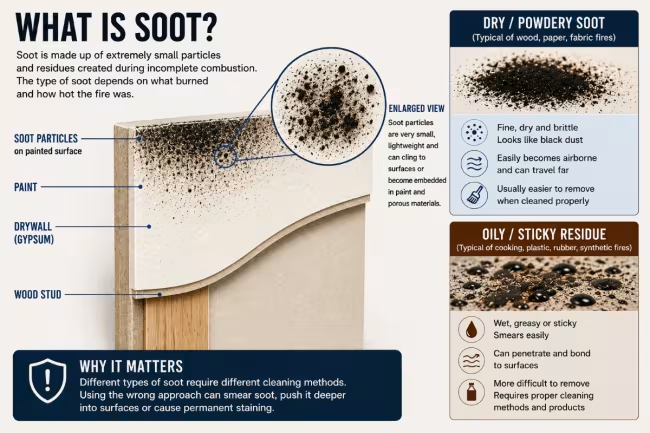
Soot consists of extremely small particles and residues created during incomplete combustion.
However, not all soot is the same.
The type of residue produced by a fire depends on what burned and the conditions of the fire. Wood, paper, cooking oils, plastics, rubber, synthetic fabrics, and other materials can produce very different types of smoke residue.
Some soot may be relatively dry and powdery. Other residues can be oily, sticky, or difficult to remove.
This is important because the cleaning method used for one type of soot may not be appropriate for another.
How Far Can Smoke and Soot Travel After a Fire?
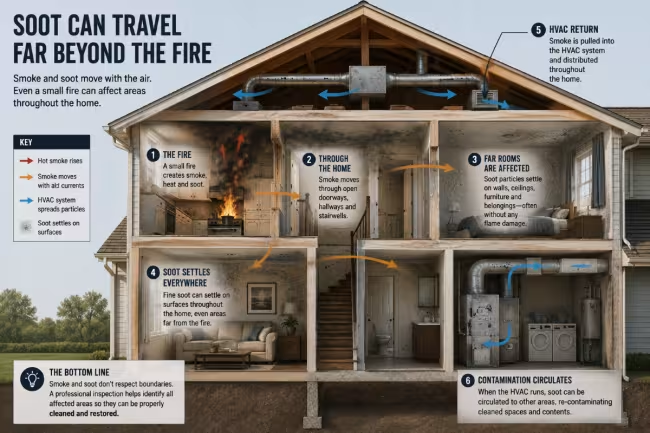
Smoke follows air movement and can travel surprisingly far from the source of a fire.
Heated smoke naturally rises and may move through:
- Open rooms and doorways
- Hallways and stairwells
- Wall and ceiling cavities
- HVAC returns and ductwork
- Attics and other concealed spaces
As smoke moves through a structure, fine particles can settle on surfaces far from the actual burn area.
A room does not need to have experienced flames to have smoke or soot contamination.
In some cases, the signs are subtle. A ceiling may appear slightly gray, cabinets may develop a film, or an otherwise unaffected room may have a persistent smoke odor.
For this reason, professional fire damage restoration should consider more than just the visibly burned portion of the property.
Can Soot Permanently Stain Walls and Other Surfaces?
Soot and smoke residue can discolor a variety of materials.
Painted walls and ceilings may develop gray or yellow staining. Plastics, appliances, countertops, fixtures, fabrics, and finished surfaces can also become discolored.
The type of residue, surface involved, temperature of the fire, and amount of time the contamination remains can all affect whether an item can be successfully cleaned and restored.
Addressing soot promptly may improve the opportunity to restore affected materials before staining or other damage becomes more difficult to correct.
Can Smoke Residue Cause Corrosion?
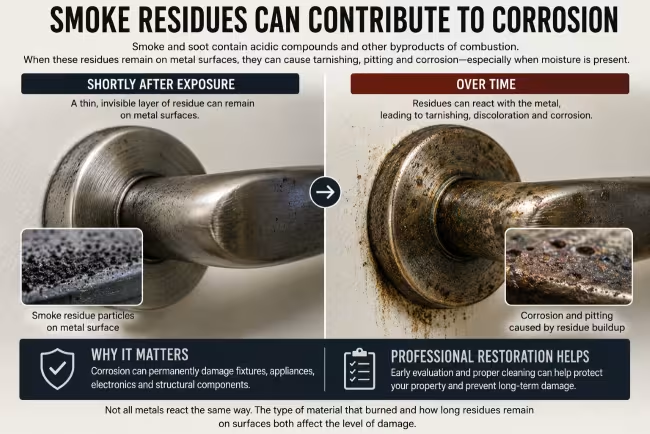
Certain fire residues contain acidic compounds and other combustion byproducts.
When these residues remain on metal surfaces, they may contribute to tarnishing, pitting, corrosion, or deterioration. Appliances, plumbing fixtures, electronics, hardware, and other metal components may be affected.
Moisture can make this concern even more significant.
Water used during firefighting efforts can create a secondary water damage restoration issue. Depending on the severity of the loss, extraction, structural drying, moisture monitoring, and fire cleanup may all be necessary as part of the restoration process.
This is one reason fire restoration involves evaluating the entire property rather than simply cleaning visible black soot from walls.
Why Does Smoke Odor Remain After a Fire?
Persistent smoke odor isn't necessarily just smoke remaining in the air.
Odor-producing residues can settle onto or penetrate materials throughout the structure, including:
- Drywall and painted surfaces
- Wood and cabinetry
- Carpet and padding
- Upholstered furniture
- Draperies and textiles
- Personal belongings
- Structural materials
- HVAC components
Air fresheners and fragrances may temporarily mask the smell, but they do not necessarily remove the source.
Effective smoke odor removal begins with identifying and addressing the contamination that is producing the odor. Cleaning affected materials is therefore an important part of professional deodorization after a fire.
Why Can DIY Soot Cleaning Make the Damage Worse?
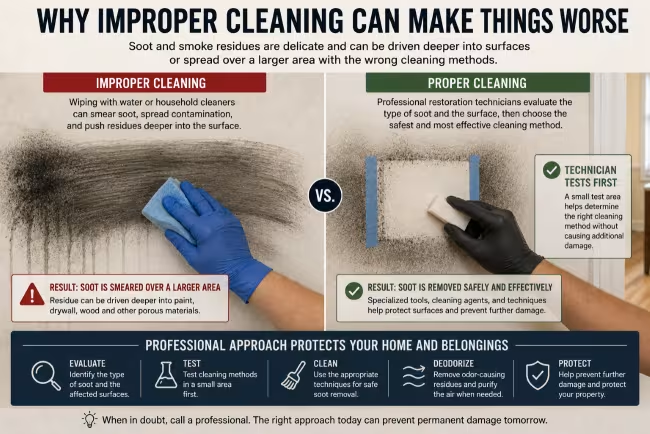
One of the most important things property owners should understand is that soot should not automatically be treated like ordinary dirt.
Wiping a soot-covered wall with water and a household cleaner may seem logical, but depending on the residue and surface, wet cleaning can smear soot, spread contamination, or make staining more difficult to remove.
Porous surfaces can present additional challenges.
Professional restoration technicians evaluate the type of residue and the affected material before determining an appropriate cleaning method. Technicians may also perform cleaning tests in a small area before proceeding.
Depending on the situation, professional soot removal may involve HEPA vacuuming, dry-cleaning methods, specialized cleaning products, controlled wet cleaning, content cleaning, or a combination of techniques.
There is no single cleaning method that is appropriate for every fire.
Different Types of Fires Create Different Types of Soot
What burned during the fire can have a major impact on the restoration process.
A cooking fire, for example, may create oily or difficult-to-remove residues. A fire involving plastics and synthetic materials can produce different smoke residues than a fire involving primarily wood and paper.
Protein fires can be particularly deceptive. A cooking-related protein fire may produce relatively little obvious black soot while leaving behind a thin residue and extremely persistent odor.
A slow, oxygen-starved fire can also produce different contamination than a hot, fast-burning fire.
Identifying the type of fire and the materials involved helps restoration professionals determine how affected surfaces should be evaluated and cleaned.
Can Smoke Get Into Your HVAC System?
Yes. An HVAC system can play an important role in how smoke contamination moves through a building.
If heating or cooling equipment operates during or after a fire, smoke particles may enter return-air openings and potentially travel into ductwork, filters, registers, and other HVAC components.
Contamination within the system may also contribute to odors or redistribute particles when the equipment operates.
For that reason, HVAC components may need to be evaluated following a fire, particularly when smoke traveled extensively throughout the structure.
What Happens During Professional Fire and Smoke Damage Restoration?
Every fire loss is different, but professional restoration generally begins with determining the extent and type of damage throughout the property.
Depending on the situation, the process may include:
- Inspecting the property for visible and less-obvious smoke and soot contamination.
- Identifying different types of residue and the materials affected.
- Protecting unaffected areas from cross-contamination.
- Removing unsalvageable materials when necessary.
- Cleaning structural surfaces using appropriate soot-removal methods.
- Cleaning and restoring affected contents when they can be salvaged.
- Evaluating HVAC components when smoke may have entered the system.
- Addressing water and moisture resulting from firefighting activities when necessary.
- Removing odor-producing residues and performing professional deodorization.
- Monitoring the restoration process to help ensure the property has been properly addressed.
The exact procedures depend on the type and severity of the fire.
How Quickly Should Soot Be Cleaned After a Fire?
Fire and smoke damage should be evaluated as soon as it is safe to enter the property.
Not every soot-covered item is permanently damaged, but waiting can make certain materials more difficult to restore. Smoke residues may continue interacting with surfaces, and odors can become increasingly difficult to address when contamination remains throughout the property.
Prompt professional evaluation can help determine what can be cleaned, what may require specialized restoration, and what cannot reasonably be salvaged.
Professional Fire & Smoke Damage Restoration in Central Nebraska
The visible burn area is only part of the damage a fire can leave behind.
Smoke and soot can travel throughout a structure, contaminate rooms that never experienced flames, contribute to persistent odors, stain surfaces, and potentially damage certain materials over time.
ServiceMaster of Mid NE provides professional fire and smoke damage restoration for homes and businesses throughout Lexington, North Platte, and communities across Central Nebraska.
Our restoration team evaluates both the obvious fire damage and the less-visible effects of smoke and soot to develop an appropriate restoration plan for the property.
If your home or business has experienced a fire, don't assume the damage ends where the flames stopped.
Contact ServiceMaster of Mid NE for professional fire, smoke, and soot damage restoration.