Fire & Smoke Damage Restoration in Central Nebraska
IICRC Certified Fire & Smoke Damage Restoration
A fire can cause extensive damage in a matter of minutes, but the effects often continue long after the flames have been extinguished. Smoke and soot can travel throughout a structure, odors can penetrate porous materials, and water used during firefighting efforts can create additional damage that may not be immediately visible.
ServiceMaster of Mid Nebraska provides professional fire and smoke damage restoration for homes and businesses throughout Central Nebraska. Our team responds to fire losses of all sizes, from localized kitchen and appliance fires to significant residential and commercial losses.
As an IICRC Certified Firm, we use established restoration principles, professional equipment, and cleaning methods selected for the materials and types of residues involved.
When a fire affects your property, our goal is to help stabilize the structure, prevent additional damage, identify what can be restored, and guide you through the recovery process from the initial inspection through cleaning and restoration.
Fire and smoke damage emergency? ServiceMaster of Mid Nebraska is available 24/7.
Fire Damage Is More Than What the Flames Burn
The visible fire damage is only one part of a fire loss. Depending on the type and severity of the fire, restoration may also require addressing smoke, soot, odors, water and affected contents throughout the property.
Fire and Heat Damage
Heat and flames can damage structural materials, finishes, fixtures, flooring, cabinetry and personal property. Materials directly affected by the fire must be evaluated to determine what can be cleaned or restored and what may require removal or replacement.
Smoke and Soot Damage
Smoke can move far beyond the room where a fire originated. As smoke travels and cools, fine particles and residues can settle on walls, ceilings, flooring, furniture, contents and other surfaces.
Different fires can also produce different types of residue. Some soot may be relatively dry and powdery, while other residues can be oily, sticky or difficult to remove. Using an inappropriate cleaning method can smear residues, drive contamination deeper into a material or cause permanent staining.
Professional evaluation helps determine the appropriate cleaning method for both the residue and the affected surface.
Smoke Odor
Smoke odors can remain even after visible soot has been removed. Odor-producing compounds may penetrate drywall, wood, carpeting, upholstery, insulation and other porous materials.
Effective smoke odor restoration begins by addressing the source of the odor. Cleaning affected surfaces and materials is an important part of the process. Additional professional deodorization procedures may then be used when necessary to address odor that remains within the structure or its contents.
Water Damage From Firefighting Efforts
Water used to extinguish a fire can create a second type of property damage. Flooring, drywall, insulation, framing and concealed building cavities may retain moisture even when the surface appears dry.
When significant water is present, our restoration process may include water extraction, moisture inspection, structural drying and dehumidification in addition to fire and smoke restoration.
Addressing this moisture promptly can help reduce additional deterioration and other problems associated with prolonged moisture exposure.
Our Fire & Smoke Damage Restoration Process
Every fire loss is different. The restoration plan depends on the extent of the fire, the materials affected, the type and distribution of smoke residues, the amount of water present and the condition of the contents.
Our process may include:
1. Emergency Response and Initial Assessment
Once the property has been released by the appropriate authorities and it is safe to begin restoration work, our team evaluates the affected areas and identifies immediate restoration needs.
We assess visible fire damage as well as the movement of smoke and soot into adjoining rooms and other areas of the structure.
2. Stabilization and Damage Mitigation
When necessary, steps are taken to help protect the property from additional damage. The specific work required depends on the condition of the structure and the nature of the loss.
3. Water Extraction and Structural Drying
If firefighting efforts have left significant water or moisture behind, standing water may be extracted and affected building materials evaluated with professional moisture-detection equipment.
Air movement and dehumidification may then be used to dry affected materials that can remain in place.
4. Smoke and Soot Evaluation
Before cleaning begins, technicians evaluate the types of surfaces and residues involved. This is important because a cleaning method that works well on one type of soot or material may not be appropriate for another.
5. Structural Cleaning
Affected ceilings, walls, trim, doors, cabinetry, flooring and other surfaces are cleaned using methods appropriate for the material and residue.
The objective is not simply to make the property look cleaner. Proper cleaning also removes residues that can contribute to staining, corrosion and persistent smoke odors.
6. Contents Evaluation and Cleaning
Furniture, household goods, equipment and personal belongings are evaluated to determine what may be restored.
Depending on the severity of the loss, contents may be cleaned on site or carefully documented and moved to another location for cleaning and storage.
7. Smoke Odor Removal
After damaged materials and smoke residues have been addressed, remaining odors are evaluated. Professional deodorization techniques may be used as appropriate for the particular loss.
8. Repairs and Restoration
Once cleaning, drying and deodorization are complete, damaged areas can move toward repair and reconstruction as necessary, with the goal of helping return the property as closely as practical to its pre-loss condition.
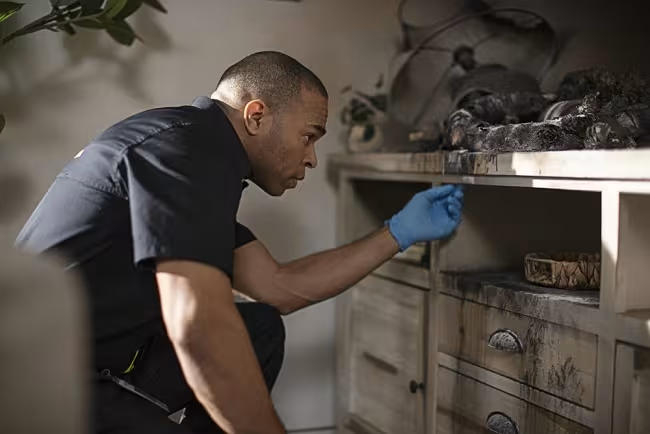
Why Prompt Fire Damage Restoration Matters
Soot and smoke residues should not be considered harmless simply because the fire is out.
Depending on the materials burned and the surfaces affected, residues can contribute to staining, discoloration, etching, corrosion and persistent odors. Moisture from firefighting efforts can also continue affecting building materials after the emergency is over.
Beginning the restoration process promptly allows affected materials and contents to be evaluated sooner and can improve the opportunity to restore items that might otherwise require replacement.
If your home or business has experienced a fire, avoid unnecessary handling or cleaning of soot-covered surfaces until they have been professionally evaluated.
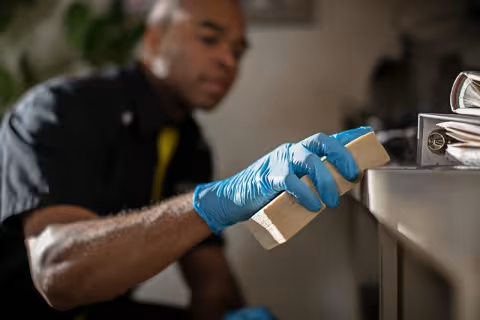
Professional Smoke & Soot Cleaning
Smoke and soot can affect areas far beyond the immediate fire. Fine residues may travel through open doorways, hallways and other areas of a structure before settling on walls, ceilings, flooring, furniture, fixtures and contents.
Not all smoke residues are the same. The materials that burned, temperature of the fire and conditions within the structure can produce residues with very different characteristics. Some may be dry and powdery, while others can be oily, sticky or difficult to remove.
That is why professional fire damage cleaning is not a one-method-fits-all process.
Before cleaning begins, our technicians evaluate both the type of residue and the material affected. Cleaning methods and products can then be selected based on those conditions.
Depending on the loss, professional smoke and soot cleaning may include:
- HEPA vacuuming or other dry soil removal methods
- Cleaning of walls, ceilings, trim and doors
- Cleaning of cabinetry, fixtures and other hard surfaces
- Detailed cleaning of affected structural components
- Cleaning of furniture and other salvageable contents
- Specialized cleaning procedures for difficult smoke residues
- Evaluation of areas beyond the room where the fire originated
Proper cleaning helps remove residues that can contribute to discoloration, staining, corrosion and persistent smoke odors.
Why You Should Avoid Wiping Soot Yourself
It can be tempting to begin wiping walls, cabinets or belongings immediately after a fire. However, using the wrong cleaning product or technique can make some types of smoke damage more difficult to restore.
Dry soot can smear when contacted with moisture. Oily residues may require different cleaning chemistry, and aggressive scrubbing can damage painted surfaces and finishes.
Until affected materials have been evaluated, avoid unnecessary handling of soot-covered surfaces and belongings.
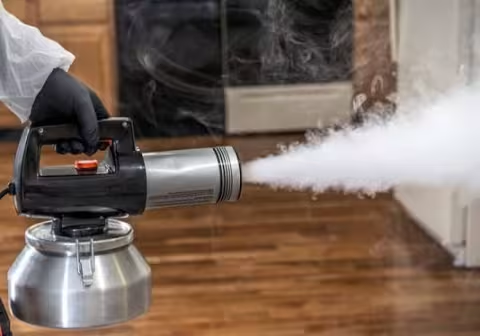
Smoke Odor Removal and Professional Deodorization
Persistent smoke odor is one of the most common concerns following a fire.
Smoke can move throughout a structure and penetrate porous materials such as drywall, wood, carpeting, upholstery and insulation. As a result, simply cleaning the visibly affected room or using fragrances to cover the smell may not resolve the source of the odor.
Effective smoke odor restoration begins with source removal and thorough cleaning.
Our technicians work to identify and remove fire-damaged materials that cannot be restored and clean salvageable surfaces and contents affected by smoke residues. Once these sources have been addressed, additional deodorization methods may be used when necessary.
Depending on the conditions of the loss, professional odor treatment may include specialized cleaning and deodorizing products, air treatment, thermal fogging or other appropriate restoration techniques.
The specific method is selected based on the materials affected, severity of the odor and conditions within the property.
Our objective is not to simply cover smoke odor with another fragrance. It is to address the contamination responsible for the odor as part of the overall restoration process.
Contents Cleaning and Pack-Out Services
A fire does not only affect the structure. Furniture, clothing, household goods, electronics, business equipment, documents and personal belongings may also be exposed to smoke, soot, heat or water.
Whenever practical, our goal is to determine what can be cleaned and restored rather than automatically replaced.
During the restoration process, affected contents can be evaluated based on their condition, material and type of contamination.
Depending on the extent of the loss, contents may be cleaned at the property or removed through a coordinated pack-out process.
When a Pack-Out Is Necessary
For more extensive fire losses, contents may need to be removed so structural cleaning and restoration can proceed safely and efficiently.
A professional pack-out may include:
- Documentation and inventory of affected contents
- Careful packing and handling
- Transportation of items requiring off-site cleaning
- Cleaning and deodorization of salvageable contents
- Organized storage during structural restoration
- Return of restored belongings when the property is ready
Items determined to be non-restorable can also be documented as part of the loss.
This process helps maintain organization during what can otherwise be an overwhelming recovery and provides important documentation for the property owner and insurance claim.
Water Damage After a Fire
Fire and water damage frequently occur together.
Fire departments may need to use significant amounts of water to extinguish a structure fire. That water can migrate into flooring systems, wall cavities, insulation and other building materials, including areas that were not directly damaged by flames.
Once the structure is safe to enter, moisture should be evaluated as part of the overall fire restoration process.
When necessary, ServiceMaster of Mid Nebraska can provide:
- Water extraction
- Moisture inspection and monitoring
- Removal of materials that cannot be effectively dried
- Commercial air movement
- Dehumidification
- Structural drying
Addressing fire-related water damage promptly can help prevent additional deterioration and prepare the structure for subsequent cleaning and restoration.
Because our team provides both fire damage restoration and water damage restoration, these services can be coordinated as part of the same recovery process.
Residential Fire Damage Restoration
A house fire can affect much more than the room where it started.
Smoke may move into adjoining rooms and other areas of the home, while soot can settle on surfaces and belongings far from the fire itself. Water used during firefighting can create another layer of damage that must also be evaluated.
ServiceMaster of Mid Nebraska provides residential fire and smoke damage restoration for losses ranging from localized fires to extensive damage throughout a home.
Our residential restoration services may include:
- Emergency fire damage response
- Fire and smoke damage assessment
- Water extraction and structural drying
- Smoke and soot cleaning
- Cleaning of walls, ceilings and other structural surfaces
- Contents evaluation and cleaning
- Pack-out services when necessary
- Smoke odor removal and deodorization
- Coordination of restoration and repair needs
Throughout the process, we work to identify what can be restored while keeping homeowners informed about the condition of their property and the next steps in the recovery.
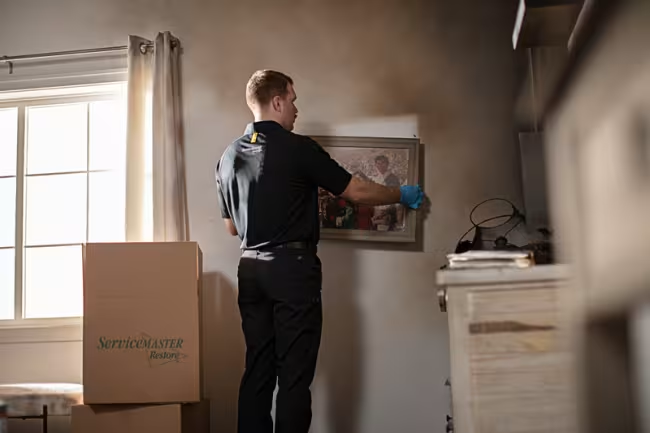
Commercial Fire & Smoke Damage Restoration
A fire at a commercial property creates challenges beyond the physical damage to the building.
Business operations may be interrupted, employees and customers may lose access to the facility, and equipment, inventory, furnishings and important contents may all be affected.
ServiceMaster of Mid Nebraska provides commercial fire and smoke damage restoration for businesses and facilities throughout Central Nebraska.
Our team can evaluate structural damage, smoke and soot contamination, water from firefighting efforts and affected business contents as part of a coordinated restoration plan.
Commercial fire restoration services may include:
- Emergency response and damage assessment
- Water extraction and structural drying
- Smoke and soot cleaning
- Cleaning of structural surfaces and fixtures
- Contents and equipment evaluation
- Pack-out and contents cleaning when necessary
- Smoke odor removal
- Coordination with property owners, managers and insurance professionals
- Restoration planning designed to help move the property toward reopening
Every commercial loss is different. Restoration priorities are established based on the extent of the damage, safety of the property and operational needs of the business.
Our goal is to help limit additional damage, preserve restorable property and move the recovery process forward as efficiently as conditions allow.
Working With Your Insurance Company
Fire restoration often involves extensive documentation and coordination with an insurance carrier or adjuster.
ServiceMaster of Mid Nebraska can help document affected areas, identify restorable and non-restorable materials and contents, and provide information regarding the restoration work being performed.
We regularly work with property owners and insurance professionals throughout the restoration process.
You choose the restoration company that works on your property. Our role is to help you understand the restoration process, document the work and communicate clearly as your property moves through recovery.
Why Choose ServiceMaster of Mid Nebraska for Fire Damage Restoration?
Recovering from a fire requires more than cleaning what you can see. Smoke, soot, water and odors can affect materials throughout a property, and determining what can be restored requires experience, appropriate equipment and proven restoration methods.
ServiceMaster of Mid Nebraska has served homes and businesses throughout Central Nebraska since 1979. As a locally owned and operated IICRC Certified Firm, we combine local experience with the training, resources and support of the ServiceMaster Restore national brand.
Property owners choose ServiceMaster of Mid Nebraska for:
- 24/7 emergency response for fire and smoke damage
- IICRC-certified restoration expertise
- Professional smoke and soot cleaning
- Smoke odor removal and deodorization
- Water extraction and structural drying when firefighting water is present
- Contents cleaning and pack-out capabilities
- Residential and commercial restoration experience
- Coordination and communication with property owners and insurance professionals
- Local service backed by the resources of a nationally recognized restoration brand
From the initial assessment through cleaning, drying, deodorization and restoration, our goal is to provide clear communication and professional guidance throughout the recovery process.
Fire Damage Restoration Throughout Central Nebraska
ServiceMaster of Mid Nebraska provides professional fire and smoke damage restoration throughout Central Nebraska. From our Lexington and North Platte locations, our team responds to residential and commercial fire losses across a wide service area.
We provide 24/7 fire and smoke damage restoration in:
Lexington, NE
Holdrege, NE
North Platte, NE
Cozad, NE
Gothenburg, NE
Dawson County, NE
Lincoln County, NE
Phelps County, NE
Furnas County, NE
Johnson Lake, NE
Elwood, NE
Overton, NE
Sutherland, NE
Hershey, NE
Maxwell, NE
Brady, NE
Whether you are dealing with a small kitchen fire, widespread smoke and soot contamination, water damage from firefighting efforts, or a significant residential or commercial fire loss, ServiceMaster of Mid Nebraska is available 24 hours a day, 7 days a week to respond.
Our local team has served Central Nebraska since 1979, providing professional restoration services backed by the training and resources of the ServiceMaster Restore national brand.
Need fire and smoke damage restoration? Call ServiceMaster of Mid Nebraska at 308-324-3072 for 24/7 emergency service.
Frequently Asked Questions About Fire & Smoke Damage Restoration
How quickly should fire damage restoration begin?
Fire damage restoration should begin as soon as the property has been released by the appropriate authorities and it is safe for restoration professionals to enter.
Smoke and soot residues can continue affecting certain surfaces after the fire is extinguished, while water used during firefighting efforts can remain inside flooring, walls and other building materials.
Prompt evaluation allows these conditions to be identified and appropriate mitigation and restoration work to begin.
Can soot continue damaging surfaces after the fire is out?
Yes. Depending on the materials involved in the fire and the type of residue produced, soot can contribute to staining, discoloration, etching and corrosion.
This is one reason affected surfaces should be professionally evaluated rather than simply wiped down with household cleaning products.
Should I clean soot from my walls or belongings myself?
In most cases, it is better to avoid unnecessary cleaning or handling of soot-covered materials until they have been evaluated.
Different types of soot respond differently to cleaning. Using water or an inappropriate cleaning product on certain residues can smear the soot, spread contamination or make affected materials more difficult to restore.
If you must enter the property, follow the instructions provided by fire officials and other authorities regarding whether the structure is safe to enter.
Can smoke travel into rooms that were not affected by the fire?
Yes. Smoke can move well beyond the area where a fire originated.
Depending on the conditions of the fire and movement of air through the building, smoke residues and odors may affect adjoining rooms and other areas that have little or no visible fire damage.
That is why a professional fire damage assessment should consider more than the room where the fire occurred.
Can smoke get into my HVAC system?
Smoke and airborne residues may enter portions of a heating and cooling system depending on whether the system was operating during the fire, the location of the fire and how smoke traveled through the structure.
When conditions indicate that the HVAC system may have been affected, it should be evaluated as part of the overall restoration process.
Can smoke odor be completely removed?
Many smoke odors can be successfully addressed through professional restoration, but the appropriate treatment depends on the severity of the loss and the materials affected.
Effective odor restoration begins with removing materials that cannot be restored and thoroughly cleaning smoke and soot residues from salvageable surfaces and contents.
Additional deodorization techniques may then be used to address remaining odors.
Simply applying fragrances or deodorizers without addressing the source of the odor is generally not an effective long-term solution.
What happens to furniture and belongings after a fire?
Affected contents are evaluated to determine what may be cleaned and restored.
Depending on the severity of the loss, salvageable belongings may be cleaned at the property or packed and transported for off-site cleaning and storage. Items that cannot reasonably be restored can be documented as part of the loss.
The appropriate approach depends on the type of item, extent of damage and nature of the contamination.
Does fire restoration include water damage from the fire department?
When water has been used to extinguish a fire, water damage may need to be addressed as part of the restoration.
This can include water extraction, moisture inspection, removal of materials that cannot be effectively dried, air movement, dehumidification and structural drying.
Even areas without significant fire damage may require moisture evaluation if firefighting water traveled into them.
Can I stay in my home after a fire?
That depends on the severity and location of the damage and whether the property has been determined safe for occupancy.
Structural damage, electrical concerns, utilities, smoke contamination and other conditions can affect whether a home can be safely occupied.
Follow the direction of the fire department, building officials and other appropriate professionals regarding whether you should enter or occupy the property.
Will ServiceMaster of Mid Nebraska work with my insurance company?
Yes. We regularly communicate with property owners, adjusters and insurance professionals during fire damage restoration.
Our team can document affected areas, the restoration work being performed and the condition of materials and contents as part of the restoration process.
Insurance policies and coverage vary, so questions regarding what your policy will pay for should ultimately be directed to your insurance carrier or adjuster.
Do I have to use the restoration company recommended by my insurance company?
Property owners generally select the contractor who performs restoration work on their property. If your insurance carrier recommends a restoration company, you can still ask questions about your options before authorizing work.
ServiceMaster of Mid Nebraska works with property owners and insurance professionals throughout the restoration process and can provide documentation regarding the work being performed.
Fire Damage? We're Available 24/7.
The hours and days following a fire can be critical. Even after the flames are extinguished, smoke, soot, odors and firefighting water can continue affecting your property and belongings.
ServiceMaster of Mid Nebraska is available 24 hours a day, 7 days a week to respond to fire and smoke damage throughout Central Nebraska.
Whether the loss involves a home, business or commercial facility, our team can assess the damage, explain the restoration process and help you determine the next steps.
Call ServiceMaster of Mid Nebraska at 308-324-3072 for 24/7 fire and smoke damage restoration.
Serving Lexington, North Platte, Cozad, Gothenburg, Dawson County, Lincoln County and communities throughout Central Nebraska.