


FIRE DAMAGE RESTORATION BY AN IICRC CERTIFIED FIRM
A fire can change your home or business in a matter of minutes, leaving behind smoke, soot, water damage, and structural concerns that require immediate professional attention. ServiceMaster of Mid NE is an IICRC Certified Firm providing professional fire damage restoration, smoke damage restoration, soot removal, odor removal, contents cleaning, and structural drying throughout Dawson County and surrounding Central Nebraska communities.
Our experienced restoration professionals understand that every fire loss is different. Whether your property has experienced a small kitchen fire, electrical fire, furnace malfunction, garage or shop fire, agricultural fire, or a large commercial loss, our team responds quickly to stabilize the property, minimize additional damage, and begin the restoration process.
Fire damage often extends far beyond the area directly affected by flames. Smoke residue can travel throughout a structure, settle inside HVAC systems, stain walls and ceilings, contaminate contents, and leave behind persistent odors. Water used during firefighting efforts can also create secondary water damage that requires prompt extraction and structural drying to help prevent additional deterioration and mold growth.
Using industry-recognized restoration procedures, advanced cleaning equipment, commercial-grade drying equipment, and specialized deodorization techniques, ServiceMaster of Mid NE helps homeowners and businesses throughout Dawson County recover safely and efficiently after a fire.
PROUDLY SERVING DAWSON COUNTY, NEBRASKA
ServiceMaster of Mid NE proudly provides professional fire and smoke damage restoration services throughout Dawson County and surrounding Central Nebraska communities. From Lexington and Cozad to Gothenburg and the rural areas between them, our experienced restoration professionals are available 24 hours a day, 7 days a week to respond to residential and commercial fire losses.
As a locally owned company headquartered in Lexington, our team is centrally located within Dawson County and understands the wide variety of properties found throughout the area. In addition to homes and businesses, Dawson County includes farms, agricultural operations, shops, warehouses, manufacturing facilities, schools, healthcare facilities, and other commercial properties that can present unique challenges following a fire.
Kitchen fires, electrical failures, furnace malfunctions, dryer fires, lightning strikes, shop fires, agricultural equipment fires, and commercial equipment failures can all leave behind extensive smoke contamination, soot residue, water damage, and structural concerns requiring specialized restoration.
Our team proudly serves:
- Homeowners
- Property managers
- Apartment complexes
- Retail businesses
- Office buildings
- Restaurants
- Healthcare facilities
- Schools
- Churches
- Manufacturing and industrial facilities
- Agricultural operations
- Farm and equipment shops
- Warehouses and commercial properties
From the initial emergency response through cleaning, drying, deodorization, and restoration, we work to help Dawson County property owners recover as quickly as possible while minimizing disruption to their homes, businesses, and operations.

COMMON CAUSES OF FIRE DAMAGE IN DAWSON COUNTY
While every fire loss is different, residential, commercial, and agricultural properties throughout Dawson County can be affected by everyday accidents, equipment failures, heating systems, and severe Nebraska weather.
Common causes of fire damage include:
- Kitchen and cooking fires
- Electrical wiring failures
- Dryer fires caused by lint buildup
- Furnace and HVAC malfunctions
- Fireplace and chimney fires
- Lightning strikes during Nebraska thunderstorms
- Space heater accidents
- Candles left unattended
- Smoking materials
- Garage and workshop fires
- Appliance malfunctions
- Agricultural equipment fires
- Farm and machinery shop fires
- Commercial and industrial equipment failures
Even a relatively small fire can create significant smoke damage throughout an entire structure. Smoke and soot often travel into rooms and areas that were never touched by flames, making professional inspection and restoration an important part of the recovery process.

SIGNS YOUR PROPERTY MAY HAVE HIDDEN SMOKE DAMAGE
Not all fire damage is immediately visible after the flames have been extinguished. Smoke and soot can travel throughout a home, business, or other structure, settling in areas far from the original fire. Even when only one area appears damaged, smoke contamination may be present inside wall cavities, HVAC systems, attics, cabinets, insulation, closets, and other concealed spaces.
If left untreated, smoke residue may continue contributing to staining, corrosion, persistent odors, and indoor air quality concerns long after the fire.
Some common signs of hidden smoke damage include:
- Lingering smoke odors that remain after ordinary cleaning
- Yellow, gray, or black staining on walls and ceilings
- Soot buildup around HVAC supply and return vents
- Smoke residue inside cabinets, closets, drawers, and storage areas
- Discoloration around light fixtures, windows, and door frames
- Fine black residue appearing on horizontal surfaces
- Corrosion on metal fixtures, appliances, or electronics
- Smoke odors becoming stronger when the furnace or air conditioner operates
- Water staining caused by firefighting efforts
- Visible soot inside attics, basements, crawlspaces, or other concealed areas
Because smoke particles can move rapidly throughout a structure, a professional inspection helps identify affected areas that may not be obvious during an initial walkthrough.
OUR PROFESSIONAL FIRE DAMAGE RESTORATION PROCESS
Every fire loss is different, but our restoration process follows proven industry procedures designed to stabilize your property, address smoke and soot contamination, manage water damage, and begin restoring your home or business as quickly as possible.
1. Emergency Inspection & Damage Assessment
Our technicians perform a comprehensive inspection to evaluate fire, smoke, soot, and water damage throughout the property. We identify safety concerns, determine the extent of affected materials, document damaged areas for insurance purposes, and develop a customized restoration plan.
2. Emergency Board-Up & Property Stabilization
If windows, doors, roofing, or exterior walls have been damaged, temporary protection may be installed to help secure the property from weather, vandalism, and unauthorized entry while restoration is underway.
3. Water Extraction & Structural Drying
Many fire losses involve water damage from firefighting efforts. Standing water is removed using professional extraction equipment, followed by structural drying with commercial air movers, dehumidifiers, and moisture-monitoring equipment. Prompt drying helps reduce additional deterioration and the potential for mold growth.
4. Smoke & Soot Removal
Using specialized cleaning methods appropriate for the type of fire and smoke residue present, our technicians remove soot from ceilings, walls, structural components, contents, and other affected surfaces. Proper soot removal helps reduce permanent staining, corrosion, and continued deterioration.
5. Cleaning of Structural Materials & Contents
Fire and smoke damage frequently affect much more than the building itself. We clean and restore salvageable furniture, personal belongings, equipment, and other contents whenever possible while also cleaning affected structural surfaces throughout the property.
6. Professional Odor Removal
Smoke odors can remain trapped deep within porous materials long after visible soot has been removed. We utilize professional odor removal and deodorization methods designed to address odor-causing smoke residue rather than simply masking the smell.
7. Final Inspection & Restoration Planning
Once emergency mitigation, cleaning, and drying have been completed, we perform a final inspection to evaluate the effectiveness of the restoration work and prepare the property for any necessary reconstruction or repairs.
UNDERSTANDING SMOKE AND SOOT DAMAGE
Many property owners assume the visible fire damage is the biggest concern after a fire. In reality, smoke and soot often cause some of the most widespread damage throughout a structure.
Smoke naturally follows air currents, allowing it to move into areas that were never touched by flames. It can spread through open doorways, wall cavities, attic spaces, HVAC ductwork, and ventilation systems, leaving behind contamination in areas that may appear perfectly clean.
Within just a few hours, acidic soot residues can begin damaging a variety of materials, including painted walls, finished wood, plastics, metals, countertops, and glass. Electronics and equipment may also be affected when corrosive particles settle inside sensitive components.
Different types of fires also produce different types of soot. A fast-burning paper or wood fire can create a very different residue than a slow-burning kitchen grease fire or a fire involving plastics, petroleum products, or synthetic materials. Each type of residue may require different cleaning methods, and using the wrong products or techniques can make staining worse or permanently damage surfaces.
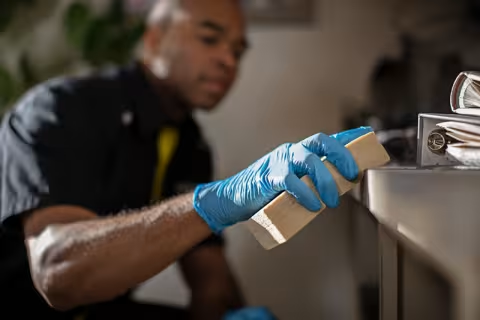
Smoke odors can also become deeply embedded in porous materials such as drywall, insulation, carpeting, upholstery, wood framing, and HVAC systems. Household cleaning products may remove surface residue but often cannot eliminate microscopic odor-causing particles left behind after a fire.
Professional fire damage restoration focuses on identifying the full extent of smoke contamination, selecting appropriate cleaning methods for affected materials, and using specialized deodorization techniques to restore a clean indoor environment.
Early professional restoration can often save materials that might otherwise require replacement while reducing long-term restoration costs and helping return your property to pre-loss condition as efficiently as possible.
WHY IMMEDIATE FIRE DAMAGE RESTORATION MATTERS
Time is one of the most important factors following a fire. Although the flames may be extinguished, damage from smoke, soot, and firefighting water can continue long afterward.
Professional emergency mitigation helps stabilize the property, reduce secondary damage, and improve the chances of restoring structural materials, furnishings, equipment, and personal belongings.
The longer fire damage remains untreated, the greater the potential for additional restoration costs.
Soot becomes more difficult to remove. Acidic soot residues can begin bonding to surfaces shortly after a fire and may permanently stain drywall, ceilings, cabinetry, flooring, equipment, and other finishes.
Smoke odors continue to penetrate building materials. Smoke particles can work their way deeper into insulation, framing, carpeting, upholstery, and HVAC systems, making complete odor removal more challenging.
Corrosion can begin within hours. Smoke residue may damage metal fixtures, appliances, plumbing fixtures, electronics, machinery, and other contents.
Water damage continues to spread. Water used during firefighting efforts can migrate into walls, flooring, insulation, basements, crawlspaces, and other concealed areas if extraction and structural drying are delayed.
Mold growth can become a concern. Excess moisture remaining after firefighting efforts can create conditions favorable for mold growth if materials are not properly dried.
Structural materials may continue to deteriorate. Wet drywall, insulation, wood framing, flooring, and other building materials can weaken or deteriorate when moisture remains trapped within the structure.
Early documentation can help with insurance claims. Prompt inspection and documentation help establish the extent of fire, smoke, soot, and water damage before conditions change during cleanup and restoration.
Prompt professional restoration can help reduce additional damage, shorten the recovery process, and improve the likelihood of restoring more of the property rather than replacing damaged materials.
INSURANCE CLAIMS ASSISTANCE
Experiencing a fire is overwhelming enough without having to navigate the restoration and insurance claims process on your own. ServiceMaster of Mid NE works with homeowners, business owners, agricultural operations, insurance professionals, and property managers throughout Dawson County to help simplify the restoration process from the beginning.
Our technicians carefully document fire, smoke, soot, and water damage throughout the property using photographs, moisture readings, detailed notes, and industry-standard documentation. This information helps provide your insurance carrier with an accurate picture of the damage and supports the restoration process.
While every insurance policy is different, our team has extensive experience working alongside insurance providers and adjusters throughout Nebraska. We strive to maintain clear communication throughout the project while keeping you informed about the progress of your restoration.
Our goal is to make the restoration process as smooth as possible so you can focus on moving forward after your loss.
HOW TO HELP PROTECT YOUR PROPERTY AFTER A FIRE
Once the fire department has declared your property safe to enter, there are several important steps you can take to help minimize additional damage before professional restoration begins.
Do:
- Contact your insurance company as soon as possible.
- Photograph damaged areas before cleanup begins.
- Keep a list of damaged belongings or equipment if it can be done safely.
- Limit foot traffic through soot-covered areas.
- Remove clean clothing or important documents only when it is safe to do so.
- Contact a professional fire damage restoration company promptly.
Avoid:
- Wiping soot from walls or ceilings with household cleaners.
- Touching smoke-damaged surfaces unnecessarily.
- Using a standard household or shop vacuum to remove soot.
- Operating your HVAC system until it has been inspected.
- Attempting to wash smoke-damaged fabrics without professional guidance.
- Delaying cleanup for several days, as smoke, soot, and water damage may continue to worsen.
Taking appropriate steps immediately following a fire can help reduce additional damage while improving the success of the restoration process.
WHY DAWSON COUNTY PROPERTY OWNERS CHOOSE SERVICEMASTER OF MID NE
For more than 40 years, ServiceMaster of Mid NE has helped homeowners and businesses throughout Dawson County and Central Nebraska recover from fire, smoke, water, and storm damage. Our experienced restoration professionals understand that every fire loss is unique, and we are committed to providing prompt, professional service when our customers need it most.
ServiceMaster of Mid NE is locally owned and headquartered in Lexington, placing our team in the heart of Dawson County and allowing us to respond to losses throughout Lexington, Cozad, Gothenburg, and surrounding communities and rural areas.
Why Property Owners Choose ServiceMaster of Mid NE
- IICRC Certified Firm
- Locally owned and headquartered in Dawson County
- More than 40 years serving Central Nebraska
- 24/7 emergency fire and smoke damage response
- Comprehensive fire, smoke, soot, and water damage restoration services
- Professional smoke odor removal and deodorization
- Advanced structural drying and moisture-monitoring equipment
- Specialized cleaning techniques for smoke-damaged structures and contents
- Emergency board-up and property stabilization services
- Residential and commercial fire damage restoration
- Experience with agricultural and industrial properties
- Insurance claims assistance and restoration documentation
- Experienced, highly trained restoration professionals
When fire damage occurs, choosing an experienced restoration company can make a significant difference in the recovery process. Our team is committed to restoring your property efficiently while providing clear communication and professional workmanship throughout the restoration process.
FIRE DAMAGE OFTEN INCLUDES WATER DAMAGE
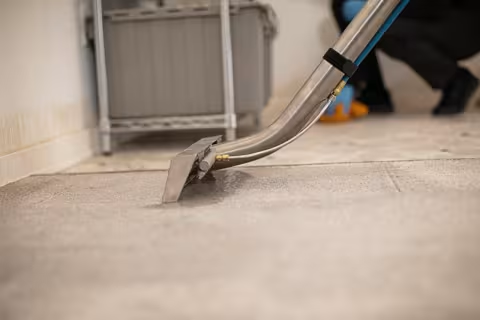
One of the most overlooked aspects of a fire loss is the amount of water that may remain after the flames have been extinguished. While the fire itself often causes the most visible destruction, water used during firefighting efforts can quickly create additional damage throughout the structure.
Water can penetrate drywall, insulation, flooring, framing, basements, crawlspaces, and other concealed areas. In commercial, industrial, and agricultural buildings, water may also migrate beneath equipment, into storage areas, or through large sections of the structure. If this moisture is not professionally extracted and dried, it can contribute to warped building materials, structural deterioration, unpleasant odors, and mold growth.
At ServiceMaster of Mid NE, we understand that successful fire restoration often includes professional water damage restoration. Our team uses commercial-grade extraction equipment, high-capacity air movers, dehumidifiers, and moisture-monitoring equipment to thoroughly dry affected materials and help reduce secondary damage.
Depending on the extent of the loss, our fire damage restoration services may also include:
- Emergency water extraction
- Structural drying
- Commercial dehumidification
- Moisture monitoring and documentation
- Removal of water-damaged materials when necessary
- Rapid drying to help reduce the potential for mold growth
- Ongoing moisture inspections throughout the restoration process
By addressing both fire and water damage together, we help restore your property more efficiently while reducing the risk of additional complications during the recovery process.
COMMERCIAL FIRE DAMAGE RESTORATION IN DAWSON COUNTY
A fire can bring business operations to a sudden halt, affecting employees, customers, tenants, production, inventory, and day-to-day operations. Beyond the visible damage, smoke contamination, soot residue, and firefighting water can spread throughout an entire commercial building, making professional restoration an important part of safely returning the facility to operation.
ServiceMaster of Mid NE provides professional commercial fire damage restoration throughout Dawson County, including Lexington, Cozad, Gothenburg, and surrounding communities. With our headquarters located in Lexington, our team is positioned within Dawson County to respond to commercial and large-loss restoration needs throughout the area.
Our experienced restoration professionals work efficiently to stabilize the property, document damages, and begin the restoration process while helping minimize operational disruption whenever possible.
We regularly assist:
- Office buildings
- Retail stores
- Restaurants
- Apartment complexes
- Hotels and hospitality properties
- Medical and healthcare facilities
- Schools and educational facilities
- Government buildings
- Churches
- Manufacturing and industrial facilities
- Agricultural facilities and shops
- Warehouses and storage buildings
Whether your business experiences a localized fire or a larger commercial loss, our team has the equipment, training, and experience to respond quickly and begin restoring your facility.
AREAS WE SERVE THROUGHOUT DAWSON COUNTY, NEBRASKA
ServiceMaster of Mid NE provides professional fire and smoke damage restoration throughout Dawson County, including:
- Lexington
- Cozad
- Gothenburg
- Overton
- Sumner
- Eddyville
- Farnam
- Johnson Lake
- Rural Dawson County
Our emergency response team also serves neighboring communities and counties throughout Greater Central Nebraska. If you're unsure whether your property is within our service area, contact ServiceMaster of Mid NE for assistance.
RELATED RESTORATION SERVICES
Fire and smoke damage may create several restoration needs beyond the immediate fire-damaged area. ServiceMaster of Mid NE also provides:
- Water Damage Restoration in Dawson County
- Mold Remediation in Dawson County
- Fire Damage Restoration in Lexington
- Fire Damage Restoration in North Platte
- Carpet & Upholstery Cleaning
- Air Duct Cleaning
- Odor Removal Services
- Contents Cleaning
- Structural Drying
FREQUENTLY ASKED QUESTIONS ABOUT FIRE DAMAGE RESTORATION
HOW QUICKLY SHOULD FIRE DAMAGE RESTORATION BEGIN?
Fire damage restoration should begin as soon as the property has been released by the fire department and it is safe to enter. Prompt restoration helps reduce additional smoke, soot, and water damage while improving the chances of restoring building materials, furnishings, equipment, and personal belongings.
CAN SMOKE ODOR BE COMPLETELY REMOVED?
In many cases, yes. Professional smoke odor removal involves much more than applying deodorizers or masking the smell. Specialized cleaning procedures and professional deodorization equipment are used to address odor-causing smoke residue in affected materials and throughout the indoor environment.
IS SMOKE DAMAGE LIMITED TO THE AREA WHERE THE FIRE OCCURRED?
No. Smoke naturally travels throughout a structure and may affect areas that were never touched by flames. HVAC systems, attics, wall cavities, closets, cabinets, adjoining rooms, and other concealed spaces may all require inspection and cleaning following a fire.
DO YOU REMOVE SOOT FROM WALLS, CEILINGS, AND CONTENTS?
Yes. Our restoration professionals use specialized cleaning methods designed to remove soot from structural materials, furniture, equipment, contents, and other salvageable items whenever possible. The appropriate cleaning method depends on the type of soot residue and the material affected.
CAN YOU HELP WITH WATER DAMAGE AFTER A FIRE?
Absolutely. Water used to extinguish a fire can cause significant secondary damage. ServiceMaster of Mid NE provides water extraction, structural drying, dehumidification, and moisture monitoring as part of the overall fire damage restoration process when needed.
DO YOU WORK WITH INSURANCE COMPANIES?
Yes. We routinely assist homeowners, businesses, property managers, agricultural operations, and insurance professionals by documenting damages, providing restoration information, and helping support the insurance claims process.
HOW LONG DOES FIRE DAMAGE RESTORATION TAKE?
Every fire loss is different. The restoration timeline depends on the size of the fire, extent of smoke and soot contamination, amount of water damage, structural damage, contents affected, and scope of cleaning and repairs required. Following our initial inspection, we'll develop a restoration plan and keep you informed throughout the project.
CONTACT SERVICEMASTER OF MID NE
If your home, business, farm, or other property has experienced fire or smoke damage in Dawson County, Nebraska, don't wait to begin the restoration process.
ServiceMaster of Mid NE is available 24 hours a day, 7 days a week to provide emergency response, professional fire damage cleanup, smoke and soot removal, odor removal, water extraction, structural drying, and restoration services throughout Dawson County.
As an IICRC Certified Firm headquartered in Lexington, we're centrally located within Dawson County and proud to serve property owners throughout Lexington, Cozad, Gothenburg, Overton, and surrounding communities and rural areas.
Call ServiceMaster of Mid NE at 308-324-3072 for 24/7 fire and smoke damage restoration throughout Dawson County, Nebraska.