

Most people see water on the floor and think the solution is simple—dry it out and move on.
In the restoration industry, however, one of the first questions we ask isn't how much water there is. It's what type of water damage are we dealing with?
Water is classified into three categories based on the level of contamination it contains. Understanding these categories helps determine the safest and most effective restoration approach.
Category 1 – Clean Water
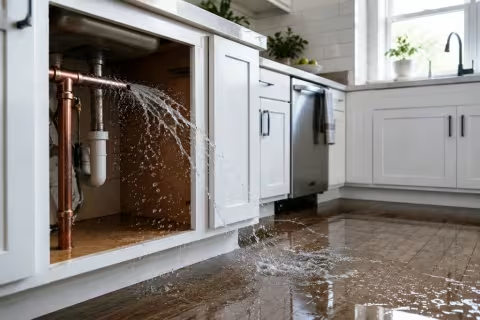
Category 1 water originates from a sanitary source and poses little or no immediate health risk.
Common examples include:
- A broken supply line
- An overflowing sink with clean water
- A leaking refrigerator water line
- A malfunctioning water heater
Although Category 1 water starts clean, it doesn't stay that way forever. Once it sits for an extended period or comes into contact with building materials and contaminants, it can quickly deteriorate into a higher category.
Category 2 – Gray Water
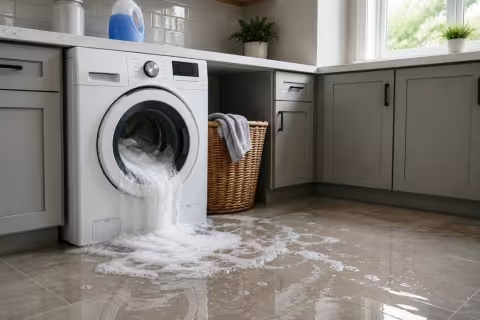
Category 2 water contains contaminants that may cause illness or discomfort if ingested or prolonged contact occurs.
Examples include:
- Washing machine discharge
- Dishwasher overflow
- Toilet overflow containing urine but no solid waste
- Sump pump failures
Gray water often contains detergents, food residue, microorganisms, or other contaminants that require more careful handling than clean water.
Category 3 – Black Water
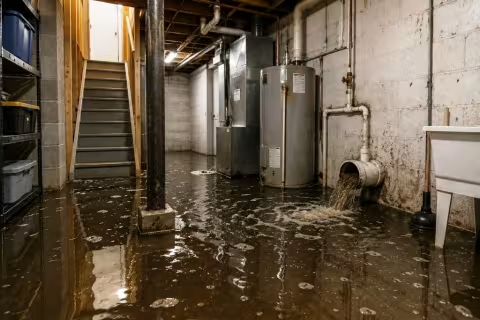
Category 3 water is considered grossly contaminated and should always be treated with extreme caution.
Common sources include:
- Sewage backups
- River or creek flooding
- Groundwater entering the home after flooding
- Toilet overflows containing sewage
- Water that has remained contaminated for an extended period
This type of water may contain bacteria, viruses, parasites, chemicals, and other harmful contaminants that require specialized cleaning, disinfection, and proper personal protective equipment.
Why the Water Category Matters
Two flooded basements may look nearly identical.
One may simply require drying equipment and moisture monitoring.
The other may require removal of affected materials, extensive cleaning, antimicrobial treatments, and specialized personal protective equipment.
That's why restoration professionals evaluate not only the amount of water but also its source, how long it has been present, and what materials have been affected.
Why Insurance Companies Ask About the Water Source
When reporting a water loss, one of the first questions you'll likely hear is:
"Where did the water come from?"
That's because the source of the water influences the restoration methods, safety precautions, and the scope of work needed. Determining the water category helps restoration professionals develop an appropriate mitigation plan while providing important documentation for the insurance claim.
Water Categories Can Change
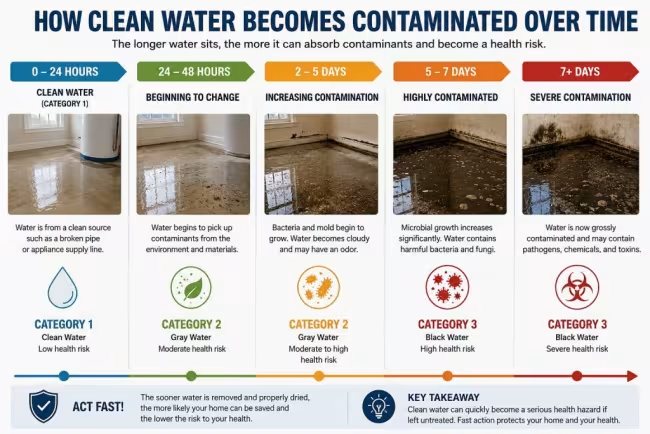
One of the most overlooked facts is that water doesn't stay in the same category indefinitely.
Clean water from a broken pipe can become contaminated after soaking drywall, carpet, insulation, or sitting stagnant for an extended period.
The sooner water damage mitigation begins, the greater the opportunity to save building materials and reduce restoration costs.
The Bottom Line
Not every water loss is the same.
Understanding the difference between Categories 1, 2, and 3 helps homeowners appreciate why restoration plans can vary so dramatically from one property to another.
Whether the source is a burst pipe, appliance malfunction, washing machine overflow, or sewage backup, identifying the type of water is the first step toward restoring your home safely. Prompt action helps reduce contamination, minimize secondary damage, and improve the chances of restoring your property to its pre-loss condition.
Frequently Asked Questions
Can Category 1 water become Category 2 or Category 3?
Yes. Clean water can become contaminated over time as it contacts building materials or sits stagnant.
Is a toilet overflow always Category 3?
No. A toilet overflow containing only urine and clean water is often classified as Category 2. If sewage or solid waste is present, it is generally considered Category 3.
Can I clean up Category 3 water myself?
Because Category 3 water may contain harmful bacteria, viruses, and other contaminants, specialized protective equipment and restoration procedures are typically recommended.
How quickly should water damage be addressed?
The sooner mitigation begins, the better. Prompt water extraction and drying can help reduce secondary damage, prevent additional contamination, and increase the likelihood that materials can be restored.