
Flooded Basement Cleanup by an IICRC Certified Firm
ServiceMaster of Mid Nebraska is an IICRC Certified Firm providing 24/7 emergency flooded basement cleanup throughout Central Nebraska. A flooded basement requires prompt attention to help minimize water damage, protect building materials and belongings, and reduce the conditions that can contribute to mold growth.
Whether your basement flooding was caused by heavy rain, a failed sump pump, a burst or leaking pipe, a water heater failure, or another source, our restoration team can provide the professional water removal and drying services needed to begin the recovery process.
Our flooded basement services include water extraction, moisture detection, structural drying, dehumidification, moisture monitoring, cleaning, and other water damage mitigation services based on the conditions we find.
24/7 Help for Basement Water Emergencies
Finding standing water in your basement can be overwhelming, especially when you do not know where the water is coming from or how much damage has occurred. Water can quickly spread across floors and into carpet, drywall, insulation, wood framing, and stored contents. Moisture may also travel into areas that appear dry from the surface.
ServiceMaster of Mid Nebraska provides 24/7 emergency response for flooded basements throughout our Central Nebraska service area. When you call, our team can gather information about the situation, help identify immediate safety concerns, and begin planning the appropriate response.
Our first priorities are to help stabilize the situation, remove standing water when conditions allow, determine how far moisture has traveled, and begin the drying process.
Backed by more than 65 years of disaster restoration experience through ServiceMaster Restore, our local team uses professional equipment and established restoration procedures to help return water-damaged properties toward normal conditions.
Immediate Help When Your Basement Floods

When water enters a basement, time matters. Standing water can soak into porous building materials and contents, while moisture that is not readily visible can remain trapped beneath flooring, behind baseboards, inside walls, and in other structural materials.
Prompt water extraction and drying can help reduce additional damage and improve the likelihood that affected materials can be restored rather than replaced.
Basement flooding may affect:
- Drywall and insulation
- Carpet and carpet pad
- Wood framing and trim
- Finished flooring
- Furniture and personal belongings
- Furnaces and water heaters
- Electrical components
- Stored contents
Our technicians evaluate both the visible water and moisture that may have migrated into surrounding materials. Professional moisture meters and other inspection equipment can help determine the extent of the affected area and guide the drying process.
Common Causes of Flooded Basements
Basement flooding can happen suddenly or develop as water gradually enters the structure. Determining the source is an important part of deciding how the affected area should be handled.
Common causes of basement flooding include:
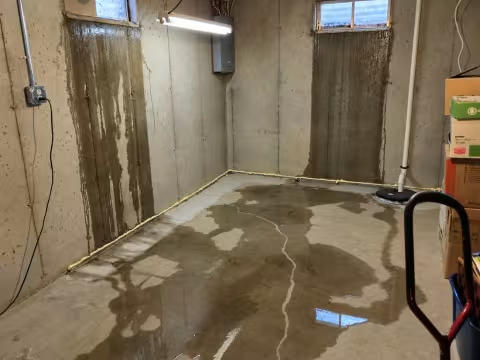
- Heavy rainfall and stormwater intrusion
- Rapid snowmelt
- Sump pump failure or power loss
- Burst or leaking pipes
- Failed water heaters or appliances
- Foundation cracks and drainage problems
- Water entering through basement windows or window wells
- Plumbing backups
- Sewer or drain backups
The source of the water matters. A basement flooded by a broken water supply line may require a different cleanup approach than one affected by storm runoff or a sewage backup. Our technicians inspect the affected area and consider the water source, materials involved, extent of moisture migration, and potential contamination when developing the restoration plan.
Why Fast Water Removal and Drying Matter
Removing visible water is only the beginning of flooded basement restoration.
Even after standing water has been extracted, moisture may remain in drywall, wood, concrete, carpet, insulation, and other porous materials. Without adequate drying, affected materials may swell, warp, deteriorate, develop odors, or provide conditions favorable for microbial growth.
Professional flooded basement cleanup combines water extraction with controlled structural drying and moisture monitoring.
The sooner the process begins, the sooner our technicians can determine which materials may be salvageable and which may require removal. Our goal is to preserve affected materials whenever practical while helping the structure reach appropriate drying goals.
Our Flooded Basement Cleanup Process
Every flooded basement is different, but our restoration process follows established practices designed to remove water, dry affected materials, and help reduce the potential for additional damage. This seven-stage structure follows the process used on the North Platte page.
1. Emergency Response and Inspection
Our technicians inspect the affected areas, evaluate potential safety concerns, determine the source of the water when possible, and assess how far moisture has traveled.
Professional moisture detection equipment can be used to identify moisture that may not be readily visible, including water that has migrated into walls, flooring, and other building materials.
2. Water Extraction
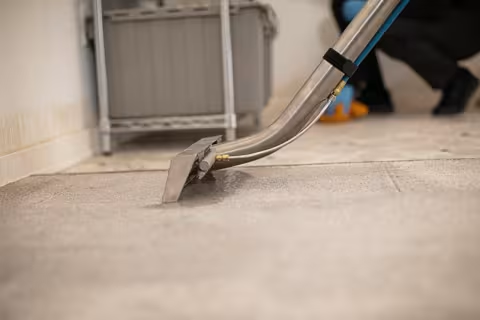
Standing water is removed using professional water extraction equipment. Depending on the conditions, this may include removing water from hard-surface flooring, carpet, carpet pad, and other affected areas.
Removing as much water as practical during extraction can help reduce the amount of moisture that must later be removed through evaporation and dehumidification.
3. Removal of Unsalvageable Materials
Not every water-damaged material needs to be removed. When materials can be appropriately cleaned and dried, we work to preserve them whenever practical.
However, drywall, insulation, flooring, carpet pad, or other materials that cannot be adequately restored may need to be removed. The extent of removal depends on factors such as the water source, level of saturation, condition of the material, and how long it has been wet.
4. Structural Drying and Dehumidification
After extraction, professional air movers and dehumidifiers are strategically placed to help remove remaining moisture from affected materials and the surrounding air.
Equipment placement is based on the conditions of the basement and may be adjusted as drying progresses.
5. Moisture Monitoring
Structural drying is a monitored process. Our technicians take moisture readings during the project to evaluate drying progress and determine whether equipment or placement should be adjusted.
Monitoring helps us make drying decisions based on measured conditions rather than simply assuming materials are dry because they look or feel dry.
6. Cleaning and Sanitizing
Affected surfaces are cleaned as appropriate based on the source and conditions of the water loss. Additional cleaning, odor control, or treatment may be recommended when contamination or other conditions are present.
Basements affected by sewage or other contaminated water require additional precautions and should not be treated the same as a clean-water loss.
7. Final Inspection and Next Steps
Once drying goals have been reached, we evaluate the affected areas and discuss any additional work that may be necessary.
If damaged drywall, flooring, trim, or other building materials require repair or replacement, we can help identify the next steps needed to move the property from mitigation toward complete restoration.
What to Do Right Now if Your Basement Has Flooded
Discovering water in your basement can make it difficult to know what to do first. Before worrying about cleanup, focus on safety and stopping additional water from entering the basement when it is safe to do so.
A few careful steps can help protect you, your family, and your property while professional help is on the way.
Stay Safe Around Water and Electricity
Do not enter a flooded basement if water may be in contact with electrical outlets, cords, appliances, electrical panels, or other energized equipment. Keep children and pets away from the affected area until it has been evaluated and conditions are safe.
If the water is cloudy, has an unusual odor, is coming from a floor drain or sewer line, or may contain storm runoff, avoid contact with it. Floodwater can contain contaminants that require additional precautions during cleanup.
Stop the Water Source When It Is Safe
If the flooding is being caused by a burst or leaking pipe and you can safely reach your home's main water shutoff, turning off the water supply may help limit additional damage.
If a sump pump has stopped operating, avoid attempting electrical repairs while standing in or near water. Likewise, do not enter a flooded area simply to retrieve belongings when electrical or contamination hazards may be present.
Protect Belongings When Possible
If conditions are safe, small belongings that can be reached without walking through standing water may be moved to a dry location. Do not attempt to move large furniture, appliances, or heavy contents from a flooded area yourself.
Our technicians can evaluate affected contents and determine which items may remain in place, which should be elevated or relocated, and which may require additional cleaning.
Document the Damage
Photos and short videos can provide useful documentation of the conditions you discovered. When it is safe, photograph the water level, affected rooms, damaged materials, and belongings before cleanup begins.
This documentation may be useful when discussing the loss with your insurance carrier.
Sewage Backup and Contaminated Basement Water
Not every flooded basement should be handled the same way.
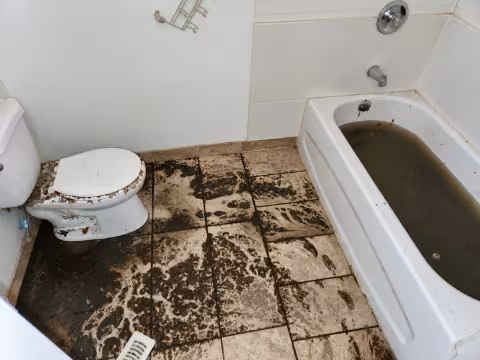
Water from a broken supply line presents different concerns than water entering through a sewer or drain. Sewage backups, contaminated runoff, and other potentially unsanitary water sources can introduce bacteria, organic material, and other contaminants into the basement.
If you suspect sewage is involved, avoid direct contact with the water and keep people and pets away from the affected area.
Professional cleanup may involve water removal, removal of affected porous materials when necessary, detailed cleaning, appropriate treatment of affected surfaces, odor control, and drying of materials that can safely be restored.
ServiceMaster of Mid Nebraska also provides sewage backup cleanup as part of our water damage restoration services. The North Platte framework similarly distinguishes sewage and contaminated runoff from ordinary water losses and notes that additional cleaning and odor-removal services may be necessary.
Mold Remediation After Basement Water Damage
Basements can be particularly vulnerable to lingering moisture because they are below grade, may receive limited airflow, and often contain porous materials such as drywall, wood, carpet, and stored contents.
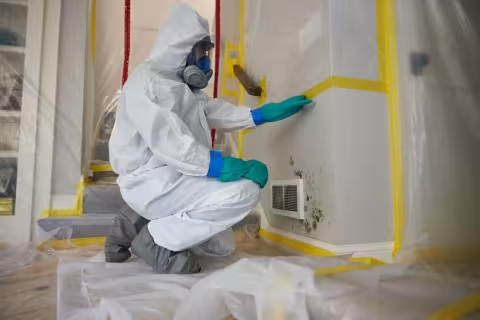
After a basement flood, removing standing water is only one part of controlling moisture. Materials that remain damp can create conditions that support mold growth.
Our water damage restoration process focuses on:
- Removing standing water
- Identifying affected materials
- Reducing excess moisture
- Using professional air-moving and dehumidification equipment
- Monitoring moisture levels during drying
- Addressing materials that cannot be adequately restored
If mold is already present or discovered during the restoration process, additional remediation may be necessary.
Because ServiceMaster of Mid Nebraska provides both water damage restoration and mold remediation, our team can help determine the appropriate next steps when a flooded basement involves existing mold or conditions that require additional evaluation. The North Platte page similarly explains that professional drying reduces conditions favorable to mold but does not promise that mold can never develop.
Insurance Assistance for Flooded Basement Damage
Insurance coverage for basement flooding depends on the cause of the water damage and the terms of your individual policy. Coverage decisions, deductibles, and claim approvals are ultimately determined by your insurance carrier.
If you choose to file a claim, ServiceMaster of Mid Nebraska can help document the restoration work performed at your property.
Depending on the project, our documentation may include:
- Photographs of affected areas
- Moisture readings
- Documentation of affected materials
- Water extraction and drying records
- Equipment used during restoration
- Scope of work and services performed
- Information requested by your adjuster
We regularly work with insurance professionals during water damage restoration projects and can answer questions regarding our estimates, documentation, invoices, and restoration procedures.
You should contact your insurance agent or claims representative for questions regarding your specific coverage.
This is a more careful version of the insurance language on the existing general page. The current copy says the company works with insurers to make claims “seamless and stress-free” and later suggests its documentation helps ensure “fair compensation.” The newer North Platte page appropriately separates your documentation role from the carrier's responsibility for coverage and claim decisions.
Why Homeowners Choose ServiceMaster of Mid Nebraska
A flooded basement can affect much more than the floor. Water may reach walls, insulation, mechanical equipment, furniture, stored belongings, and finished living areas. Choosing an experienced restoration company means having a team that understands how these materials interact and how moisture can move through a structure.
ServiceMaster of Mid Nebraska combines the resources and restoration experience of the ServiceMaster Restore network with a local team serving homes and businesses throughout Central Nebraska.
IICRC Certified Firm
ServiceMaster of Mid Nebraska is an IICRC Certified Firm. Our restoration procedures are based on established industry standards and professional water damage restoration practices.
Professional Water Extraction and Drying Equipment
Effective restoration requires more than removing the water you can see. Our technicians use professional extraction equipment, air movers, dehumidifiers, and moisture detection equipment to address both standing water and moisture within affected materials.
Monitored Structural Drying
Drying equipment is not simply placed in the basement and left unattended. Moisture readings are used to evaluate drying progress, and equipment can be adjusted as conditions change.
Comprehensive Restoration Services
A basement flood can uncover additional problems. Depending on the circumstances, your property may require water damage mitigation, sewage cleanup, odor removal, contents cleaning, mold remediation, or repairs to damaged materials.
Our range of restoration services allows us to address many of these related needs without requiring you to coordinate several different restoration companies.
Local Experience
Our team understands the types of water losses encountered by property owners throughout Central Nebraska, from burst pipes and failed water heaters to sump pump failures, heavy rainfall, snowmelt, and sewer backups.
Clear Communication Throughout the Project
We explain what we find, what work we recommend, and how the drying process is progressing. As conditions change, we keep you informed about moisture readings, equipment adjustments, materials that may need to be removed, and the next steps toward restoring your property.
How to Help Prevent Basement Flooding
Not every basement flood can be prevented, but routine maintenance can reduce the likelihood of some common water problems.
Consider taking these steps to help protect your basement:
- Test your sump pump regularly.
- Consider a battery backup for your sump pump.
- Keep gutters and downspouts clear of debris.
- Extend downspouts so water drains away from the foundation.
- Check basement window wells and exterior drainage.
- Watch for visible foundation cracks or signs of water intrusion.
- Inspect washing machine supply hoses and other plumbing connections.
- Maintain water heaters and other water-using appliances.
- Know where your home's main water shutoff valve is located.
- Check your basement periodically for dampness, staining, or musty odors.
Before periods of heavy rainfall or spring snowmelt, checking sump pumps, gutters, downspouts, and drainage around the foundation can help identify potential problems before water reaches the basement. These prevention measures are consistent with those included on the North Platte page.
Frequently Asked Questions About Flooded Basements
How quickly should I begin cleaning up a flooded basement?
Water removal and drying should begin as soon as it is safe and practical. Standing water can continue soaking into drywall, flooring, wood, insulation, and belongings, while moisture may spread into areas that are not immediately visible.
Before entering the basement, make sure there are no obvious electrical, structural, or contamination hazards. If you are unsure whether the area is safe, stay out and contact a professional.
What should I do before your technicians arrive?
Your first priority should be safety. Avoid entering the basement if water may be in contact with electrical components or if the water may be contaminated.
If you can safely reach your main water shutoff and a plumbing problem is causing the flooding, shutting off the water may help prevent additional damage. You may also document the affected area with photos or video and move small belongings from damp areas when they can be safely reached without walking through standing water.
You do not need to clear the entire basement before our technicians arrive.
Do I need to remove my belongings from the basement?
Not necessarily. Larger furniture, appliances, and heavy belongings can usually remain in place until our technicians evaluate the basement.
If conditions are safe, small and easily handled belongings may be moved from damp areas. During our inspection, we can discuss which items should be relocated or elevated and whether affected contents may require additional cleaning.
How long does it take to dry a flooded basement?
Drying time varies depending on the amount of water, how long materials were wet, the size of the affected area, the types of materials involved, and the extent of moisture migration.
Some recently affected areas may dry within several days, while heavily saturated structures can require additional time. Rather than relying solely on a predetermined number of days, our technicians monitor moisture levels and adjust drying equipment based on the conditions we find.
Can a flooded basement cause mold?
A wet basement can create conditions favorable for mold growth when moisture remains in building materials or contents.
Prompt water extraction, dehumidification, airflow, and monitored structural drying can help reduce those conditions. If mold is already present or discovered during restoration, ServiceMaster of Mid Nebraska also provides professional mold remediation services.
What if my basement flooded with sewage?
Avoid contact with the water and keep children and pets away from the affected area. Sewage and other contaminated water require additional precautions and should not be treated like water from a clean supply line.
ServiceMaster of Mid Nebraska provides sewage backup cleanup and can evaluate the affected materials to determine the appropriate removal, cleaning, treatment, and drying procedures.
Is it safe to stay in my home while the basement is being dried?
That depends on the conditions. Potential concerns can include electrical hazards, contaminated water, structural damage, mold, odors, and the location of affected mechanical systems.
Our technicians can explain the conditions we observe during the inspection and identify areas that should be avoided. Specific electrical, utility, structural, or health concerns may require evaluation by the appropriate qualified professional.
Will homeowners insurance cover a flooded basement?
Coverage depends on the cause of the flooding and the terms of your insurance policy. For example, policies may treat plumbing failures, groundwater intrusion, sewer backups, and other sources differently.
Your insurance carrier determines coverage, deductibles, and claim approvals. ServiceMaster of Mid Nebraska can provide documentation regarding the damage we observe and the restoration services we perform to assist with the claims process.
Flooded Basement Cleanup Throughout Central Nebraska
ServiceMaster of Mid Nebraska provides 24/7 flooded basement cleanup and water damage restoration throughout Central Nebraska.
Our service area includes:
Lexington
North Platte
Cozad
Gothenburg
Holdrege
Johnson Lake
Elwood
Overton
Sutherland
Hershey
Maxwell
Brady
Sumner
Farnam
Eddyville
Dawson County
Lincoln County
Phelps County
Whether your basement flooding is caused by a sump pump failure, heavy rain, snowmelt, a burst pipe, a leaking water heater, sewer backup, or another water emergency, our restoration team is available to respond.
Related Water Damage Services
Basement flooding is often connected to other water damage problems. Depending on the source and extent of the loss, you may also need:
Water Damage Restoration
Our complete water damage restoration services include emergency response, water extraction, moisture detection, structural drying, dehumidification, and moisture monitoring for residential and commercial properties.
Burst and Leaking Pipe Cleanup
Broken supply lines, frozen pipes, plumbing failures, and slow leaks can release significant amounts of water into basements and other areas of a property. Prompt extraction and drying can help limit additional damage.
Sewage Backup Cleanup
Sewer and drain backups can introduce contaminated water into basements. Professional sewage cleanup addresses the additional removal, cleaning, and contamination concerns associated with these losses.
Mold Remediation
When moisture has been present long enough for mold to develop, additional remediation may be necessary. ServiceMaster of Mid Nebraska provides mold remediation services to address affected materials and help correct the underlying moisture conditions associated with the growth.
Contents Cleaning
Furniture, household belongings, and stored contents may also be affected during a basement flood. Depending on the material and the source of the water, some items may be candidates for professional cleaning and restoration.
Call Our Team for 24/7 Flooded Basement Help
A flooded basement can become a much larger water damage problem when moisture is allowed to remain in the structure. You do not have to determine the extent of the damage or manage the drying process on your own.
ServiceMaster of Mid Nebraska is available 24 hours a day, 7 days a week to respond to flooded basements throughout Central Nebraska.
As an IICRC Certified Firm, we use professional water extraction, moisture detection, structural drying, and monitoring procedures to help protect your property and guide you through the restoration process.
Whether the water came from a storm, failed sump pump, burst pipe, plumbing problem, or another source, our team is ready to help.
Call ServiceMaster of Mid Nebraska at (308) 280-8382 for 24/7 flooded basement cleanup.