


Flooded Basement Cleanup by an IICRC Certified Firm
ServiceMaster of Mid Nebraska is an IICRC Certified Firm providing 24/7 emergency flooded basement cleanup in Lexington, Nebraska. When a basement floods, prompt professional response can help limit additional water damage, protect building materials and belongings, and reduce the conditions that can contribute to mold growth.
Our restoration team provides professional water extraction, structural drying, moisture detection, cleaning, and water damage mitigation for flooded basements throughout Lexington and the surrounding Dawson County area.
Whether the flooding was caused by heavy rain, a failed sump pump, a burst or leaking pipe, foundation seepage, an appliance failure, or another water emergency, ServiceMaster of Mid Nebraska is available 24 hours a day, 7 days a week, 365 days a year.
Proud to Serve Lexington, NE
ServiceMaster of Mid Nebraska has been serving Lexington and communities throughout Central Nebraska since 1979. As a locally operated restoration company, we understand the types of water problems that can affect homes and businesses in our area—from heavy Nebraska thunderstorms and sump pump failures to burst pipes, plumbing leaks, and foundation water intrusion.
When a basement floods, our Lexington-area restoration team is available 24 hours a day, 7 days a week, 365 days a year. We provide professional water extraction, moisture detection, structural drying, and cleanup to help limit additional damage and begin restoring your property as quickly as conditions allow.
As an IICRC Certified Firm, ServiceMaster of Mid Nebraska combines professional restoration standards and trained technicians with the resources of the ServiceMaster Restore network. Whether you have several inches of standing water or moisture spreading through a finished basement, our team is ready to help.
We proudly serve homeowners and businesses throughout Lexington, Dawson County, and surrounding Central Nebraska communities.

24/7 Help for Basement Water Emergencies in Lexington
Finding water in your basement can quickly become overwhelming. In a matter of hours, water can spread across flooring, soak into drywall and insulation, affect carpet and pad, damage stored belongings, and reach areas that may not appear wet from the surface.
That is why fast action is important.
ServiceMaster of Mid Nebraska provides around-the-clock flooded basement response in Lexington. When you call, our team will gather information about what happened, whether the water source has been stopped, how long the water has been present, and which areas of the basement appear to be affected.
Once on site, our technicians can assess the extent of the damage, identify safety concerns, begin removing standing water, and use professional moisture-detection equipment to determine where water may have traveled.
Basements often contain much more than unfinished concrete floors. Water can affect:
- Finished living areas
- Drywall and insulation
- Carpet and pad
- Laminate or other finished flooring
- Furniture
- Stored belongings
- Furnaces and HVAC equipment
- Water heaters
- Electrical components
- Wood framing and trim
Our goal is to stabilize the situation, remove standing water, identify hidden moisture, and begin professional drying as quickly as practical.
Backed by more than 65 years of disaster restoration experience through ServiceMaster Restore, our local team brings proven restoration methods, trained technicians, and professional equipment to flooded basement losses throughout the Lexington area.

Immediate Help When Your Basement Floods
When water enters a basement, time matters.
Standing water can begin soaking into porous materials almost immediately. Drywall, insulation, wood framing, carpet, pad, furniture, and other materials can absorb moisture even when only part of the surface appears wet.
Moisture can also move into wall cavities, beneath flooring, behind baseboards, and into other concealed spaces. Because of this, simply removing the visible water does not necessarily mean the basement is dry.
If excessive moisture remains, it may contribute to:
- Mold growth
- Swollen or damaged drywall
- Wet insulation
- Warped wood and trim
- Carpet and pad deterioration
- Moisture trapped beneath flooring
- Damage to furniture and stored contents
- Persistent musty odors
- Electrical or mechanical hazards
ServiceMaster of Mid Nebraska takes emergency water damage calls 24/7/365 because basement flooding rarely happens at a convenient time.
The sooner standing water can be removed and professional drying begins, the better the opportunity may be to reduce additional damage and preserve affected materials.
Basement Flooding in Lexington, Nebraska
Basement flooding in Lexington can happen for many different reasons, and sometimes more than one factor contributes to the problem.
Heavy Nebraska thunderstorms can produce a large amount of rainfall in a short period of time. When gutters, downspouts, foundation drainage systems, or surrounding soil cannot move water away from the structure quickly enough, water may collect around the foundation and enter through cracks, window wells, floor-wall joints, or other vulnerable areas.
Sump pump problems are another common source of basement flooding. Power outages, clogged discharge lines, mechanical failures, or an overwhelmed pump can allow groundwater to rise quickly.
Water losses can also originate from inside the home. Common sources include:
- Burst or leaking pipes
- Failed water heaters
- Washing machine supply lines
- Plumbing fixture leaks
- Appliance failures
- Drain backups
- Sewer backups
Finished basements can be particularly vulnerable because water may affect drywall, flooring, carpet, furniture, insulation, and personal belongings before the full extent of the damage is apparent.
Our Lexington restoration team evaluates both visible water and hidden moisture so that the drying plan addresses the areas actually affected by the loss.
Why Lexington Homeowners Should Respond Quickly
Standing water and excessive moisture can begin affecting construction materials quickly. Prompt water extraction and structural drying can help reduce the potential for additional damage.
Some of the problems associated with prolonged basement moisture include:
- Mold and microbial growth
- Damaged drywall
- Wet or deteriorated insulation
- Swollen or warped wood
- Carpet and pad damage
- Moisture trapped beneath flooring
- Damage to furniture and personal belongings
- Lingering odors
- Electrical hazards
- Moisture-related damage to structural materials
Professional flooded basement cleanup involves more than removing the water that can be seen on the floor.
Our technicians use professional moisture meters and other detection tools to evaluate affected materials and identify areas where moisture may remain after extraction.
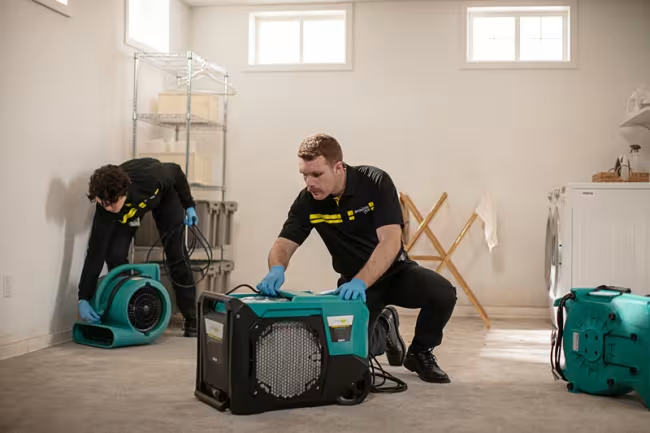
Once standing water has been removed, commercial air movers and dehumidifiers can be used to begin the structural drying process.
Our goal is not simply to make the basement look dry. We work to identify where moisture has traveled, dry affected materials when practical, and monitor conditions as the structure moves toward appropriate moisture levels.
Our Flooded Basement Cleanup Process
Every flooded basement is different. The source of the water, amount of water present, length of time materials have been wet, type of construction, and potential for contamination all affect how the restoration should be performed.
ServiceMaster of Mid Nebraska follows established IICRC standards and restoration procedures to remove water, evaluate affected materials, dry the structure, and help reduce the potential for long-term moisture problems.
1. Emergency Response and Inspection
The restoration process begins with an inspection of the affected basement.
Our technicians evaluate the source of the water when possible, identify potential safety concerns, determine which materials have been affected, and assess how far moisture may have traveled.
Professional moisture meters and, when appropriate, thermal imaging equipment can help locate moisture that may not be visible from the surface.
This initial assessment allows us to develop a restoration plan based on the actual conditions in your basement.
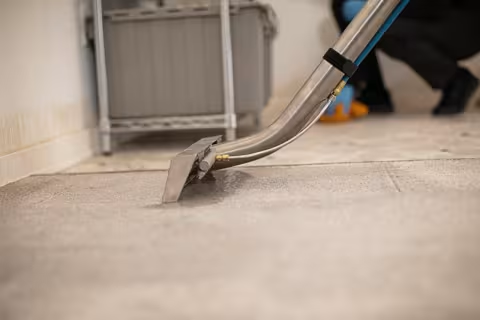
2. Water Extraction
Removing standing water is one of the first priorities.
ServiceMaster of Mid Nebraska uses commercial-grade extraction equipment designed to remove water efficiently from affected areas. Depending on the loss, extraction may be required from:
- Concrete floors
- Carpet and pad
- Finished flooring
- Stairways
- Contents
- Other affected surfaces
Removing as much water as practical during the extraction phase helps reduce the amount of moisture that must later be removed through evaporation and dehumidification.
For basements containing significant amounts of standing water, pumps or other water-removal equipment may be used before detailed extraction begins.
3. Evaluation and Removal of Unsalvageable Materials
Not every material responds to water damage in the same way.
Our technicians evaluate affected drywall, insulation, flooring, carpet, pad, trim, and other building materials to determine what may be dried and restored and what may require removal.
Materials that are heavily damaged, contaminated, or unable to be effectively dried may need to be removed. This can also provide access to concealed areas where moisture has traveled behind walls or beneath finished surfaces.
Whenever practical, salvageable materials are preserved.

4. Structural Drying and Dehumidification
Once standing water has been removed and necessary demolition has been completed, the focus shifts to drying the structure.
Commercial air movers are strategically positioned to promote evaporation from wet surfaces and building materials. Professional dehumidifiers remove moisture from the surrounding air, helping create conditions that allow affected materials to continue drying.
Depending on the basement and materials involved, drying may include:
- Drywall
- Wood framing
- Concrete
- Subflooring
- Structural components
- Carpet and other salvageable materials
Equipment placement is based on the conditions found during the inspection and may be adjusted as drying progresses.
5. Moisture Monitoring
Professional structural drying is not simply a matter of placing equipment in the basement and waiting several days.
Our technicians monitor moisture levels throughout the restoration process using professional moisture-testing equipment.
These readings help us determine whether affected materials are responding to the drying process and whether equipment placement or drying conditions should be adjusted.
As conditions improve, air movers and dehumidifiers may be repositioned or removed. Drying continues until targeted materials have reached appropriate moisture levels based on the conditions of the structure.
6. Cleaning and Sanitizing
Floodwater can leave behind dirt, debris, residues, and odors.
Affected surfaces are cleaned and sanitized when appropriate based on the source of the water and the materials involved. Additional treatments may be recommended when conditions warrant.
If basement flooding involves a sewer backup, drain backup, or another potentially contaminated water source, additional safety precautions and cleaning procedures may be necessary.
Water from a contaminated source should not be handled in the same manner as water from a clean plumbing supply line.
7. Final Inspection
Once the drying process is complete, our team performs a final evaluation of the affected areas.
Moisture conditions are checked to verify that targeted materials have reached acceptable levels. We can then discuss any additional work that may be needed to return the basement toward its pre-loss condition.
Depending on the damage, next steps may include repairs, reconstruction, additional cleaning, odor treatment, or mold remediation.
Our goal is to leave you with a clear understanding of what has been completed and what, if anything, remains to be addressed.
Insurance Claims Assistance
A flooded basement may be covered by homeowners insurance depending on the cause of the water loss and the terms of your individual policy.
ServiceMaster of Mid Nebraska regularly works with homeowners and insurance professionals following water damage losses.
During restoration, we can provide documentation such as:
- Photographs of affected areas
- Moisture readings
- Documentation of affected materials
- Records of drying equipment
- Restoration scope information
- Documentation of services performed
When appropriate, we can also communicate with your insurance adjuster regarding the restoration work being performed.
Coverage decisions, deductibles, and claim approvals are determined by your insurance carrier and the terms of your policy. We encourage homeowners to contact their insurance agent or claims representative to understand how their coverage applies to the specific cause of the basement flooding.
What to Do Right Now if Your Basement Has Flooded
When you first discover water in your basement, it can be difficult to know what to do next.
Before worrying about cleanup, focus on safety.
Stay Safe Around Water and Electricity
Do not enter standing water if there is any possibility that it has come into contact with electrical outlets, extension cords, appliances, furnaces, electrical panels, or other energized equipment.
Even a relatively small amount of water can create a serious electrical hazard.
If you are uncertain whether the area is safe, stay out of the basement until the conditions can be properly evaluated.
Avoid Contact With Potentially Contaminated Water
If water is entering through a floor drain, sewer line, toilet, or another wastewater source, avoid direct contact.
Water that is cloudy, has an unusual odor, contains visible debris, or may involve sewage should be treated as potentially contaminated.
Keep children and pets away from the affected area.
Stop the Water Source When It Is Safe
If the flooding is being caused by a broken or leaking pipe and you can safely access your home's main water shutoff, turning off the water supply may help prevent additional water from entering the basement.
Do not walk through standing water or expose yourself to an electrical hazard in an attempt to reach a shutoff valve.
If heavy rain or groundwater is causing the flooding, stopping the source may not be possible. In those situations, professional water removal may need to begin while exterior water conditions are also considered.
Protect Belongings When Possible
If conditions are safe, you may be able to move small valuables, important documents, area rugs, cardboard boxes, or other easily handled belongings away from wet areas.
You do not need to empty the basement before our technicians arrive.
Large furniture, appliances, shelving, and other heavy items are generally better left in place until the conditions can be evaluated. Our technicians can help determine which belongings should be moved, elevated, cleaned, or left in place during drying.
Document the Damage
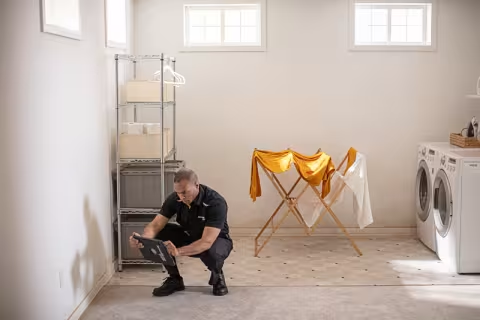
Before cleanup begins, consider taking photographs or short videos of the affected basement if it is safe to do so.
Useful documentation may include:
- The depth and location of standing water
- Wet flooring and walls
- Damaged furniture and belongings
- The suspected source of the water
- Affected mechanical equipment
- The overall condition of the basement
This information may be useful when discussing the loss with your insurance company.
Call for Professional Help
After addressing immediate safety concerns, contact ServiceMaster of Mid Nebraska.
Our team can ask questions about the source and extent of the flooding, provide guidance based on what you are experiencing, and begin arranging an emergency response to your Lexington property.
Common Causes of Basement Flooding in Lexington
Understanding where basement water came from is an important part of determining how the loss should be addressed.
Heavy Rain and Surface Water
Strong Nebraska thunderstorms can produce significant rainfall in a short amount of time.
When gutters, downspouts, grading, or foundation drainage systems cannot move water away from the home effectively, water may accumulate around the foundation.
From there, moisture can enter through foundation cracks, window wells, joints between basement walls and floors, or other vulnerable areas.
Sump Pump Failure
A sump pump is often the primary defense against groundwater entering a basement.
Problems can occur when a pump:
- Loses electrical power
- Becomes clogged
- Experiences mechanical failure
- Has a blocked discharge line
- Cannot keep up with the volume of incoming water
A battery backup or secondary pump may provide additional protection during severe weather or power outages, but even properly maintained systems can sometimes be overwhelmed.
Burst or Leaking Pipes
Plumbing failures can release large amounts of water directly into a basement.
Burst pipes, leaking supply lines, failed fittings, frozen pipes, and concealed plumbing leaks can all cause significant water damage.
Because some plumbing is located behind walls or ceilings, water may spread into building materials before the source is discovered.
Water Heater and Appliance Failures
Water heaters, washing machines, water softeners, and other appliances can also cause basement flooding.
A failed tank, broken connection, or damaged supply line may release enough water to affect a large portion of the basement.
Foundation Seepage
Basement water does not always arrive as a sudden flood.
Moisture may gradually enter through cracks, joints, window wells, or other openings in the foundation. Repeated seepage can damage drywall, trim, flooring, insulation, and stored belongings even when there is little standing water.
Sewer and Drain Backups
Sewer or drain backups present a different type of restoration challenge because the water may contain bacteria, waste, and other contaminants.
If water is backing up through a floor drain, toilet, or sewer line, avoid direct contact and keep children and pets away from the area.
Professional evaluation can help determine the appropriate removal, cleaning, sanitizing, and drying procedures.
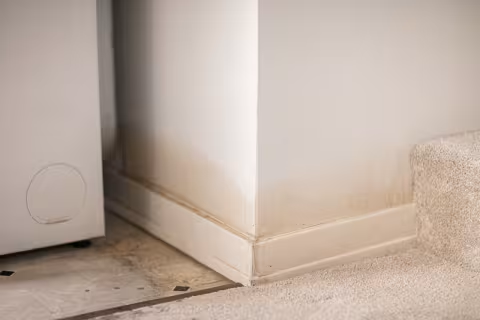
Hidden Moisture After Basement Flooding
The disappearance of standing water does not necessarily mean a basement is dry.
Water can migrate into porous materials and concealed spaces, including:
- Drywall
- Wood framing
- Insulation
- Carpet and pad
- Subflooring
- Wall cavities
- Baseboards and trim
- Finished flooring
- Stored contents
Some of these materials may feel dry at the surface while still containing elevated moisture internally.
If that moisture is not identified and addressed, affected materials may swell, warp, deteriorate, develop odors, or create conditions favorable for mold growth.
ServiceMaster of Mid Nebraska uses professional moisture-detection equipment to help identify affected materials and monitor their progress during drying.
That is an important distinction between simply removing water and performing professional water damage restoration.
Mold Concerns After a Flooded Basement
A flooded basement can create conditions that support mold growth when moisture remains in building materials or humidity stays elevated.
Even after standing water has been removed, moisture may remain in drywall, insulation, wood framing, carpet, pad, or other porous materials. Basements can be particularly susceptible because they often have limited airflow and naturally higher humidity than other areas of a home.
Prompt water extraction and structural drying can help reduce the moisture conditions that support mold growth.
ServiceMaster of Mid Nebraska uses commercial drying equipment and professional moisture-testing tools to help identify wet materials and monitor drying progress.
If mold growth is already present or discovered during restoration, additional evaluation may be necessary. As an IICRC Certified Firm providing both water damage restoration and professional mold remediation, our team can address mold-related concerns when they are part of a basement water loss.
How to Help Prevent Basement Flooding
Not every basement flood can be prevented, but routine maintenance and preparation can help reduce the risk.
Lexington homeowners should consider:
- Testing the sump pump regularly
- Installing a battery backup for the sump pump
- Checking sump pump discharge lines for obstructions
- Keeping gutters and downspouts clean
- Extending downspouts away from the foundation
- Maintaining proper grading around the home
- Checking basement window wells and covers
- Repairing visible foundation cracks
- Inspecting plumbing for signs of leaks
- Replacing aging washing machine supply hoses
- Having older water heaters inspected
- Knowing the location of the home's main water shutoff valve
Before periods of heavy rainfall, it is especially helpful to make sure gutters, downspouts, sump pumps, and exterior drainage systems are functioning properly.
While these steps cannot eliminate every possibility of basement flooding, they may help reduce the amount of water that reaches the foundation or provide earlier warning when a problem develops.
Why Lexington Property Owners Choose ServiceMaster of Mid Nebraska
When your basement floods, choosing a restoration company means trusting someone with your home, belongings, and property.
ServiceMaster of Mid Nebraska has served Lexington and Central Nebraska since 1979. Our local team combines decades of restoration experience with the training, standards, equipment, and resources of the ServiceMaster Restore network.
As an IICRC Certified Firm, we are committed to following recognized restoration practices for water extraction, structural drying, moisture monitoring, and water damage mitigation.
Lexington homeowners and businesses can turn to our team for:
- 24/7 emergency response
- Professional water extraction
- Structural drying and dehumidification
- Moisture detection and monitoring
- Cleaning and sanitizing
- Sewage and contaminated water cleanup
- Mold remediation when necessary
- Contents cleaning
- Odor removal
- Residential and commercial restoration
We also understand that a flooded basement involves more than damaged building materials.
You may be concerned about personal belongings, insurance coverage, how long drying will take, whether mold could develop, and when the basement can safely be used again.
Throughout the restoration process, our goal is to explain what we find, what work we recommend, and what you can expect next.
Frequently Asked Questions About Flooded Basements
How quickly can ServiceMaster respond to a flooded basement in Lexington?
ServiceMaster of Mid Nebraska takes emergency water damage calls 24 hours a day, 7 days a week, 365 days a year.
Our goal is to respond as quickly as conditions allow. Actual response times can vary depending on weather, road conditions, the number of active emergency losses, and technician availability.
When you call, we can gather information about your situation, discuss immediate safety concerns, and explain what to expect next.
What should I do before your technicians arrive?
Your first priority should be safety.
Do not enter standing water if electrical outlets, cords, appliances, furnaces, electrical panels, or other energized equipment may be involved.
If a plumbing leak is causing the flooding and you can safely reach the main water shutoff, turning off the water may help prevent additional damage.
You may also take photos or videos and move small valuables away from wet areas if you can do so safely without entering standing water.
You do not need to begin removing flooring, drywall, carpet, or other building materials before our technicians arrive.
Can you help prevent mold after my basement floods?
Prompt water removal and professional drying are important steps in reducing the moisture conditions that support mold growth.
Our technicians use commercial air movers, dehumidifiers, and professional moisture-testing equipment to help dry affected materials and monitor their progress.
No restoration company can guarantee that mold will never develop, particularly when materials have remained wet for an extended period. If mold is already present or discovered during restoration, ServiceMaster of Mid Nebraska can evaluate the affected area and discuss appropriate mold remediation options.
Do I need to remove my belongings from the basement before you arrive?
No. You do not need to empty the basement before our technicians arrive.
If conditions are safe, you may choose to move small valuables, important documents, or easily handled items away from wet areas.
Larger furniture, appliances, shelving, and heavy belongings can generally remain in place until our technicians evaluate the basement.
We can then determine which items should be moved, elevated, cleaned, or otherwise protected during the restoration process.
Can wet basement carpet be saved?
Sometimes.
Whether carpet can be cleaned and restored depends on the source of the water, how long it has been wet, the condition of the carpet, and whether contamination is present.
Carpet affected by a relatively clean water source may sometimes be salvageable when extraction and drying begin promptly. Carpet and pad exposed to sewage or significantly contaminated water may require removal.
Our technicians evaluate the conditions before recommending whether affected carpet should be cleaned, dried, or removed.
How long does it take to dry a flooded basement?
There is no single drying time that applies to every basement.
The length of the drying process depends on factors such as:
- The amount of water present
- How long materials were wet
- The size of the affected area
- The types of materials involved
- The source of the water
- Temperature and humidity
- The amount of moisture absorbed into structural materials
Some basement water losses may dry within several days, while heavily saturated or more complex losses can take longer.
Rather than relying only on a predetermined number of days, our technicians monitor moisture levels throughout the project to determine how affected materials are responding.
Is it safe to stay in a house with a flooded basement?
That depends on the conditions.
Potential concerns may include electrical hazards, contaminated water, affected furnaces or mechanical equipment, structural damage, mold, and strong odors.
If standing water is present and you are uncertain about electrical or contamination hazards, avoid entering the affected area.
During our inspection, we evaluate visible conditions and can explain any concerns we identify so you can make informed decisions about access to the basement.
What if my basement flooded because of a sewer backup?
Water from a sewer or drain backup may contain bacteria, waste, and other contaminants.
Avoid direct contact with the water and keep children and pets away from the affected area.
Contaminated water losses require additional precautions and may involve removal of affected porous materials, detailed cleaning, sanitizing, and structural drying.
ServiceMaster of Mid Nebraska can evaluate the conditions and develop a cleanup plan appropriate for the type of water involved.
Will ServiceMaster work with my insurance company?
Yes. Many of our customers involve their insurance carrier after a basement water loss.
We can provide restoration documentation such as photographs, moisture readings, information about affected materials, equipment records, and descriptions of the work performed.
When appropriate, we can also communicate with your insurance adjuster regarding the restoration scope.
Your insurance carrier determines whether a loss is covered, along with applicable deductibles and policy limitations. We recommend contacting your agent or claims representative to determine how your individual policy applies to the cause of your basement flooding.
Flooded Basement Cleanup Throughout the Lexington Area
ServiceMaster of Mid Nebraska proudly provides flooded basement cleanup in Lexington and surrounding Central Nebraska communities, including:
Lexington
Overton
Whether your basement flooded because of heavy rain, a sump pump failure, a burst pipe, an appliance leak, foundation seepage, or another water emergency, our restoration team is available to help.
Our Lexington-area team provides professional water extraction, structural drying, moisture monitoring, and related restoration services for both residential and commercial properties.
Call for 24/7 Flooded Basement Cleanup in Lexington
If you discover water in your basement, you do not have to wait until normal business hours to begin addressing the problem.
ServiceMaster of Mid Nebraska provides 24/7 flooded basement cleanup in Lexington, Nebraska, with professional water extraction equipment, commercial drying systems, moisture-detection tools, and trained restoration technicians.
From the initial inspection and water removal through structural drying and moisture monitoring, our goal is to help limit additional damage, protect salvageable materials, and keep you informed throughout the restoration process.
Whether the flooding was caused by a Nebraska storm, sump pump failure, burst or leaking pipe, appliance failure, foundation water intrusion, or another unexpected water loss, our team is ready to respond.
Contact ServiceMaster of Mid Nebraska for 24/7 flooded basement cleanup in Lexington and the surrounding Dawson County area.