

Most homeowners think about replacing upholstered furniture when it begins looking worn or faded.
But what if much of that "wear" isn't actually permanent?
One of the biggest enemies of upholstered furniture isn't sunlight or age—it's the dirt you can't see.
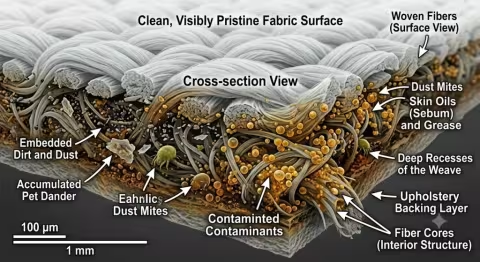
Every Time You Sit Down...
Every day, upholstered furniture collects:
- Body oils
- Skin cells
- Dust
- Pet dander
- Food crumbs
- Pollen
- Fine grit tracked in from outdoors
As people sit, shift, and move across the fabric, those tiny particles work deeper into the fibers.
While the furniture may still look clean, the fabric is slowly becoming loaded with abrasive contaminants.
Dirt Works Like Sandpaper
Many people don't realize that tiny particles of soil and sand have sharp edges.
Every time someone sits on the couch or favorite recliner, those particles rub against the fabric.
Over months and years, that constant friction gradually breaks down the fibers.
The result is often:
- Fabric that looks dull
- Flattened cushions
- Premature wear in favorite seating areas
- Colors that appear faded
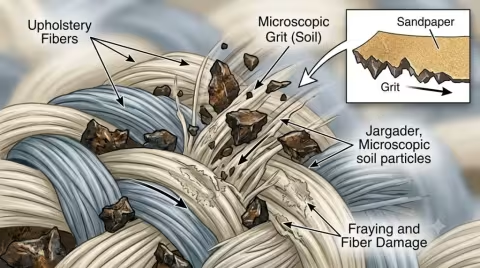
In many cases, the issue isn't that the fabric has reached the end of its life—it's that embedded soil has been damaging it from the inside out.
Appearance Isn't the Only Concern
Upholstered furniture acts much like carpet.
It traps:
- Dust
- Allergens
- Pet hair
- Pollen
- Odors
Routine vacuuming helps remove loose debris, but it can't reach everything embedded beneath the surface.
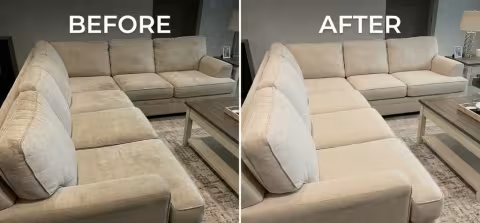
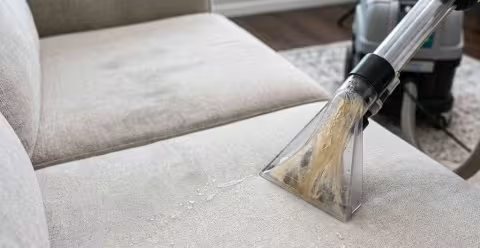
Professional upholstery cleaning removes much of this hidden buildup while helping preserve the fabric's appearance.
Different Fabrics Require Different Cleaning
Not every piece of furniture should be cleaned the same way.
Cotton, microfiber, synthetic blends, and delicate natural fabrics each respond differently to moisture and cleaning solutions.
Professional technicians evaluate the fabric before selecting the appropriate cleaning method to help achieve the best results while protecting the material.
Protect Your Investment
Quality furniture is a significant investment.
Routine maintenance—including regular vacuuming and periodic professional cleaning—can help extend the life of upholstered furniture, maintain its appearance, and keep it feeling fresh for years to come.
Sometimes the best way to make furniture look newer isn't replacing it.
It's simply removing years of embedded soil.
Frequently Asked Questions About Upholstery Cleaning
How often should upholstered furniture be professionally cleaned?
Most manufacturers and cleaning professionals recommend professional upholstery cleaning every 12 to 24 months. Homes with pets, children, allergies, or heavy use may benefit from more frequent cleaning.
Can professional upholstery cleaning help extend the life of my furniture?
Yes. Dirt, dust, and fine grit can become embedded in upholstery fibers over time. As people sit and move on the furniture, these particles create friction that gradually wears the fabric. Routine professional cleaning helps remove this abrasive soil and can help preserve your furniture's appearance.
Will upholstery cleaning remove stains and odors?
Professional cleaning can often remove many common stains, body oils, food spills, pet-related soils, and everyday odors. While some permanent stains or fabric damage may remain, cleaning typically improves both the appearance and freshness of upholstered furniture.
Is professional upholstery cleaning safe for delicate fabrics?
Professional technicians identify the fabric type before cleaning and select an appropriate cleaning method. Different materials—including microfiber, cotton, synthetic blends, and natural fibers—may require different products and techniques to help protect the fabric while achieving effective results.
How long does it take upholstery to dry after cleaning?
Drying times vary depending on the fabric, humidity, airflow, and cleaning method. In many cases, upholstery is dry within 4 to 8 hours, though some fabrics may take longer.
Should I vacuum my furniture between professional cleanings?
Yes. Regular vacuuming helps remove loose dust, pet hair, and surface debris before they become embedded in the fabric. Routine vacuuming, combined with periodic professional cleaning, is one of the best ways to maintain upholstered furniture.
Can professional upholstery cleaning help reduce allergens?
Professional cleaning can remove dust, pollen, pet dander, and other allergens that accumulate within upholstery over time. While it is not a medical treatment for allergies, removing these contaminants may contribute to a cleaner indoor environment.
Should fabric protector be applied after upholstery cleaning?
Applying a fabric protector after professional cleaning can help fabrics resist spills, making them easier to clean before stains set. It can also help reduce soil buildup and simplify routine maintenance, especially in high-use areas.