
The Biggest Mistake Homeowners Make After a Small Kitchen Fire
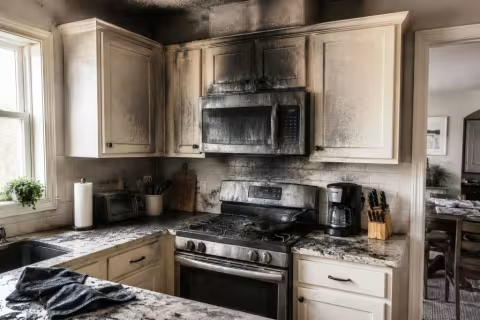
Kitchen fires are one of the most common causes of residential fire damage in the United States. Fortunately, many are extinguished quickly before they have a chance to spread throughout the home. Unfortunately, many homeowners assume that because the flames were small, the cleanup will be equally simple.
In reality, the decisions made during the first few hours after a kitchen fire can significantly affect the amount of damage and the overall cost of restoration.
Mistake #1: Assuming the Damage Is Limited to the Kitchen
Smoke doesn't stay where the fire started.
As smoke rises, it travels through open doorways, hallways, stairwells, and HVAC systems. Microscopic soot particles can settle on walls, ceilings, furniture, flooring, electronics, and personal belongings throughout the home.
Even rooms that appear unaffected may contain residues that cause odors or long-term damage.
Mistake #2: Cleaning Soot with Household Products
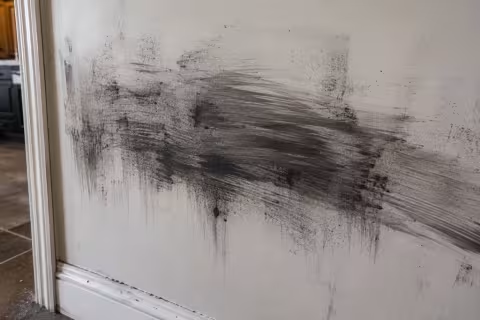
Many homeowners reach for paper towels, all-purpose cleaners, or wet rags.
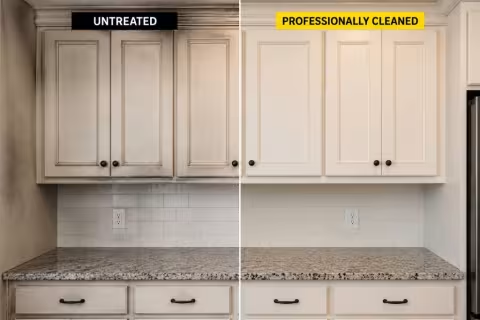
Unfortunately, soot can be oily and acidic. Wiping it incorrectly often smears the residue deeper into painted surfaces, cabinetry, or finished wood, making restoration more difficult.
Professional fire restoration uses specialized cleaning products and techniques designed for different types of smoke residue.
Mistake #3: Turning the HVAC System Back On
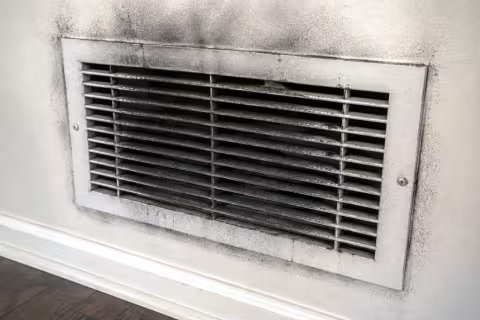
After the fire is out, many people restart their furnace or air conditioner to clear the smell.
This can actually distribute smoke particles throughout the ductwork and into rooms that were previously unaffected.
Until the home has been evaluated, it's often best to leave the HVAC system off to minimize further contamination.
Mistake #4: Believing the Odor Will Go Away on Its Own
Smoke odors are caused by tiny particles embedded in porous materials such as drywall, insulation, upholstery, carpeting, and wood.
Opening windows may temporarily reduce the smell, but odors often return once the home is closed up again.
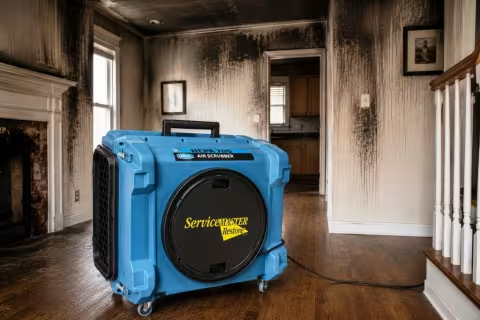
Removing smoke odor typically requires specialized cleaning methods, HEPA filtration, and deodorization equipment.
Mistake #5: Waiting Too Long to Address Smoke Damage
Soot residues are acidic and can begin damaging surfaces surprisingly quickly.
Within days, metals may corrode, plastics may discolor, and painted finishes can become increasingly difficult to restore.
Prompt assessment and cleanup often reduce permanent damage and improve the chances of returning materials to their pre-loss condition.
What You Should Do After a Small Kitchen Fire
If you experience a cooking fire:
- Make sure everyone is safe and call emergency services if necessary.
- Do not attempt to clean soot with household products.
- Leave the HVAC system off until the property can be evaluated.
- Document the damage with photographs for insurance purposes.
- Contact a qualified fire and smoke restoration professional for guidance.
Taking the right steps early can help prevent additional damage and speed the restoration process.
Serving Lexington, North Platte, and Greater Central Nebraska
Even a minor kitchen fire can leave behind hidden smoke contamination and lingering odors that require specialized restoration techniques.
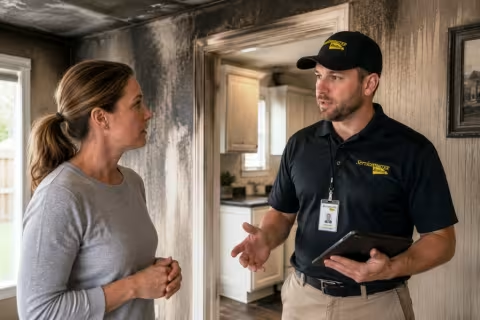
At ServiceMaster of Mid NE, our experienced team helps homeowners throughout Lexington, North Platte, and Greater Central Nebraska assess smoke damage, clean affected materials, and restore homes safely and efficiently after fire-related losses.