Need Water Removal or Flood Cleanup in Clifton Heights, PA?
Clifton Heights sits on the hillsides above Darby Creek, and when heavy rain moves through Delaware County, that water has to go somewhere. Summer thunderstorms, slow-moving nor’easters, and remnants of tropical storms can drop inches of rain in a matter of hours. Runoff rushes down sloped streets and yards, overwhelming storm drains along Baltimore Pike and the side streets nearby. Homes closer to Darby Creek have seen floodwater rise into lower levels during major storms before. Across the borough, many homes are early 20th-century rowhomes and twins built on stone or brick foundations, alongside newer split-levels. Over time, they’ve been updated with finished basements, carpeted family rooms, laundry areas, and storage spaces. Aging foundation drains, old sump pits, and seams in century-old masonry give groundwater easy paths inside. In attached homes, water can travel through shared walls and affect the house next door. When a basement floods, our team responds with professional water extraction, structural drying, and moisture tracking to address both visible and hidden moisture. We’re proud to help families in Clifton Heights and surrounding Delaware County communities recover and get back to normal.
Flooded Basement in Clifton Heights? Need Fast Cleanup Right Now? Call Now for Immediate Help
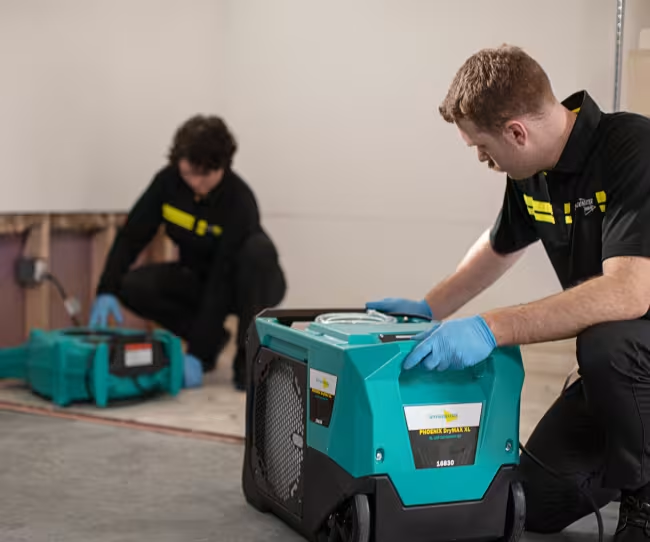
Storm Flood Cleanup After Heavy Delaware County Rainfall
When fast-moving storms sweep across southeastern Pennsylvania, Clifton Heights basements can fill quickly. Water rushing downhill toward Darby Creek collects along foundations, pours into window wells, and backs up through floor drains when storm sewers can’t keep up. Remnants of tropical systems can stall over the region and push the creek higher, sending water toward nearby homes. Once inside, floodwater soaks carpet, drywall, furniture, and the boxes and belongings stored below. Stone and brick foundations absorb moisture and release it slowly, keeping the basement damp long after the storm passes and creating conditions for mold and musty odors.
Burst Pipe Water Cleanup During Clifton Heights Cold Snaps
Sharp winter cold snaps can catch older Clifton Heights homes off guard. In twins and rowhomes built generations ago, water lines often run along cold stone foundation walls, through uninsulated basements, and inside exterior walls with little protection. Aging galvanized and copper pipes are more likely to crack under freezing pressure. When a line splits, water can pour into the basement for hours before anyone heads downstairs. It soaks drywall, insulation, flooring, and stored belongings, and it can travel into framing, subfloors, and even shared walls with a neighbor’s home before the leak is found.

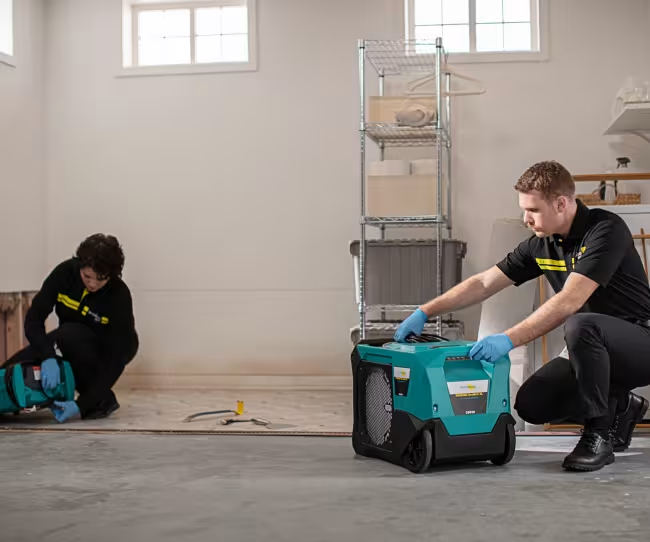
Basement Water Removal for Sump Pumps and Appliance Leaks
Some basement water problems build slowly, and others hit all at once. During rainy stretches that last several days, groundwater rises in lower-lying parts of the borough, and older sump pumps can fall behind or fail outright. Storms that knock out power shut pumps down just when they’re needed most. In many Clifton Heights basements, the washing machine and water heater sit side by side near the floor drain. A burst hose, a corroded tank, or a clogged drain can flood the floor quickly. Seepage through old foundation walls adds steady moisture that keeps carpet, paneling, and stored items damp and musty.
Why Choose ServiceMaster Restoration Services for Flooded Basement Restoration in Clifton Heights

Advanced Moisture Mapping
High-Volume Water Extraction
Controlled Structural Drying
Mold Prevention Protocols
Why Flooded Basements Can’t Wait in Clifton Heights Homes
Older housing, below-grade living spaces, and seasonal heavy rainfall can allow basement water damage to escalate quickly.
Within 24 hours: Drywall can swell, wood framing can begin expanding, and carpet padding can retain moisture below the surface. Basement humidity and limited airflow can make it harder for affected materials to dry without professional equipment.
Within 24–48 hours: Water trapped inside wall cavities, flooring systems, and subfloors creates conditions that can support microbial growth. Prompt extraction and drying help reduce the time those materials remain saturated.
After one week: Prolonged moisture can contribute to warped wood, reduced insulation performance, deterioration of affected materials, and more complicated restoration needs. If the water originated from a storm or sewage backup, contamination concerns can also increase the complexity of cleanup.
What to Do Immediately After a Flooded Basement in Clifton Heights, PA
-
1Step 1Stop the Water Source If Safe
If a burst pipe or appliance is causing the flooding, shut off the main water supply if you can do so safely. This can help prevent additional water from entering the basement while help is on the way.
-
2Step 2Avoid Electrical Hazards
Do not enter standing water when electrical outlets, appliances, or cords may be submerged. If power needs to be shut off, only access the breaker if it can be done without entering or contacting standing water.
-
3Step 3Document the Damage
Take photos and videos of the affected basement, water levels, damaged materials, and belongings when it is safe to do so. Documentation can help provide a clear record for your insurance claim and restoration team.
-
4Step 4Call ServiceMaster Restoration Services - Clifton Heights
Once the area is safe and the damage has been documented, arrange professional basement water removal as soon as possible. Rapid extraction and structural drying can help limit the spread and progression of water damage in Clifton Heights homes.