

Why Basements Flood: Understanding Rainwater Intrusion and How to Prevent Costly Water Damage
Heavy rainfall can put a tremendous amount of stress on a home's drainage systems. While many property owners expect water damage from broken pipes or appliance leaks, some of the most significant water losses we encounter are caused by rainwater entering basements through preventable exterior drainage issues.
In Lexington, North Platte, and throughout Central Nebraska, periods of heavy rain can quickly overwhelm drainage systems and expose weaknesses around a home's foundation. Understanding the causes of basement water intrusion can help homeowners reduce the risk of costly repairs and long-term damage.
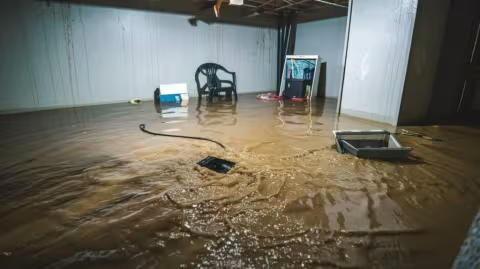
Poor Grading Around the Foundation
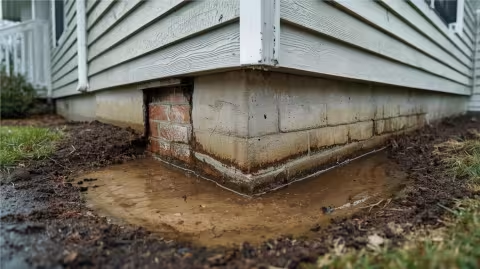
One of the most common causes of basement water intrusion is improper grading. The soil surrounding a home should slope away from the foundation to direct water away from the structure.
Over time, soil settles and landscaping changes can create low areas where water collects. Instead of draining away, rainwater may pool against foundation walls and eventually find a path into the basement through cracks, joints, or porous concrete.
A properly graded yard is one of the most effective defenses against foundation water intrusion.
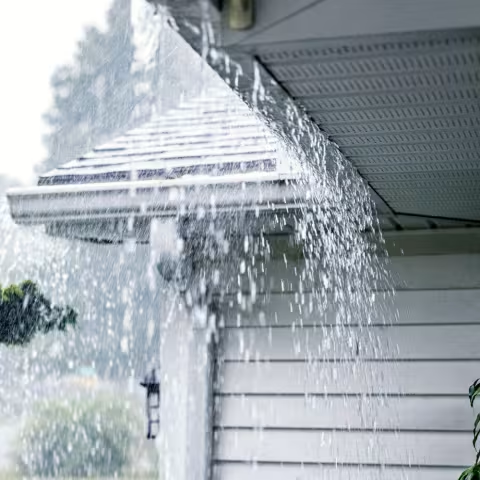
Gutters and Downspouts Matter More Than You Think
Gutters are designed to collect roof runoff and direct it safely away from the structure. When gutters become clogged with leaves and debris, water can overflow and saturate the soil around the foundation.
Equally important are downspout extensions. If downspouts discharge water too close to the home, thousands of gallons of roof runoff each year can accumulate near foundation walls.
Regular gutter maintenance and properly positioned downspouts can dramatically reduce the likelihood of basement water problems.

Excessive Rainfall Can Overwhelm Drainage Systems
Even homes with functioning gutters and proper grading can experience water intrusion during periods of intense rainfall.
When soil becomes saturated, hydrostatic pressure builds around the foundation. This pressure forces water through cracks, utility penetrations, floor joints, and other vulnerable areas.
Homes with older foundations or existing structural cracks may be especially susceptible during prolonged wet weather.
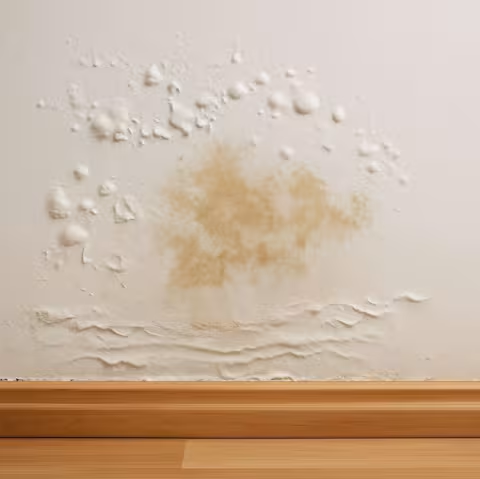
Signs of Water Problems in the Basement
Early detection is critical. Property owners should watch for:
- Damp walls or floors
- Musty odors
- Water stains on concrete or drywall
- Efflorescence (white mineral deposits on foundation walls)
- Peeling paint or discoloration
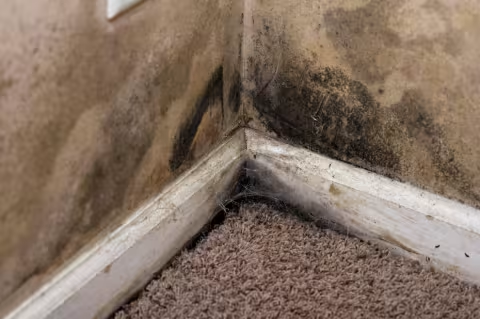
- Visible mold growth
- Standing water after rain events
Addressing these warning signs early can prevent more extensive damage.
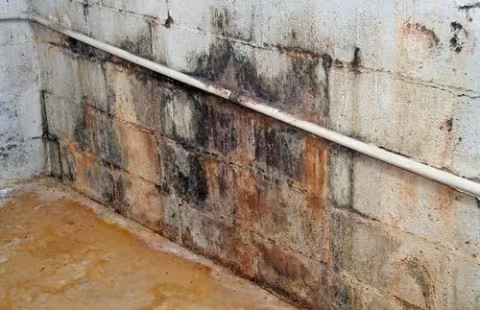
Water Damage Can Lead to Mold Growth
Many homeowners focus on removing visible water but overlook the moisture left behind in building materials.
Wet drywall, wood framing, insulation, carpeting, and flooring materials can remain damp for days or weeks. These conditions create an ideal environment for mold growth, which can develop within 24 to 48 hours under the right circumstances.
Professional drying and moisture monitoring help ensure hidden moisture is identified and removed before secondary damage occurs.
Protecting Your Home
While no property is completely immune to severe weather, homeowners can significantly reduce risk by:
- Maintaining gutters and downspouts
- Ensuring proper grading around foundations
- Repairing foundation cracks
- Keeping window wells clear and functional
- Monitoring basement humidity levels
- Addressing drainage issues promptly
A proactive approach is often far less expensive than dealing with extensive water damage after a major rain event.
Final Thoughts
Basement water intrusion is often the result of a combination of factors rather than a single failure. Poor drainage, improper grading, clogged gutters, foundation vulnerabilities, and heavy rainfall can all contribute to water entering a structure.
Understanding these risks and taking preventative measures can help homeowners protect their property, preserve indoor air quality, and avoid costly repairs in the future.