

Hidden Moisture Could Be Causing Damage You Can't See
When most people think of water damage, they picture standing water on the floor or soaked carpet. But in many cases, the most significant damage occurs where you can't see it.
Just because a room appears dry doesn't mean the structure underneath is free from moisture. Water can migrate through building materials, become trapped beneath flooring, seep behind walls, and soak insulation long after the visible signs disappear.
At ServiceMaster of Mid NE, we frequently respond to homes and businesses throughout Lexington, North Platte, and Greater Central Nebraska where hidden moisture would have gone unnoticed without specialized equipment.
Water Travels Farther Than You Think
Water follows the path of least resistance. A small plumbing leak, overflowing appliance, or heavy rain event can allow moisture to spread well beyond the obvious wet area.
Water commonly migrates into:
- Drywall and wall cavities
- Insulation
- Subflooring
- Baseboards and trim
- Hardwood flooring
- Luxury Vinyl Plank (LVP) flooring
- Cabinets and vanities
- Crawlspaces
By the time the surface appears dry, moisture may still be trapped deep within these materials.
Flooring Can Hide Significant Moisture
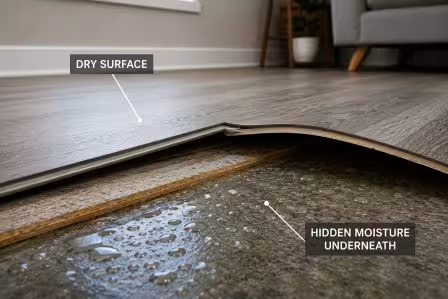
Modern flooring products, especially Luxury Vinyl Plank (LVP), can create a waterproof surface that traps moisture underneath.
We've encountered situations where homeowners believed their floor had completely dried, only to discover elevated moisture levels beneath the flooring weeks later.
Left untreated, this hidden moisture can lead to:
- Mold growth
- Swelling of wood subfloors
- Adhesive failure
- Unpleasant odors
- Material deterioration
In many cases, professional testing is the only way to determine whether moisture remains.
Drywall Doesn't Always Show Immediate Damage
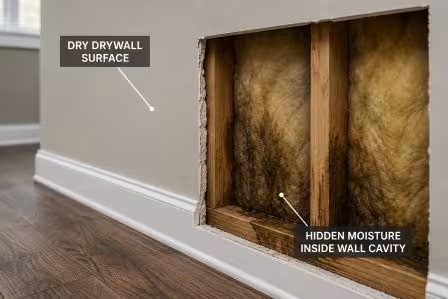
Drywall can absorb moisture internally before any staining or soft spots become visible.
Insulation hidden behind drywall may remain saturated while the painted surface looks perfectly normal.
Without proper drying, trapped moisture can contribute to:
- Mold growth
- Structural deterioration
- Interior odors
- Reduced insulation performance
This is why restoration professionals routinely inspect beyond what can be seen with the naked eye.
Professional Moisture Detection Makes the Difference
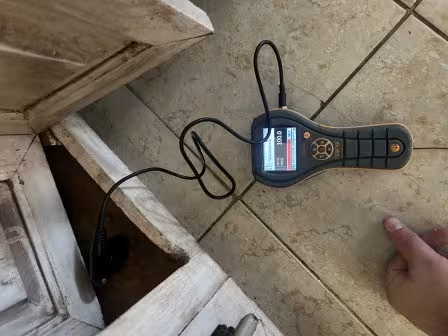
Restoration companies use specialized equipment designed to locate moisture that would otherwise remain hidden.
Common tools include:
- Non-invasive moisture meters
- Penetrating moisture meters
- Thermal imaging cameras
- Hygrometers
- Relative humidity sensors
These instruments allow technicians to identify moisture patterns and verify that building materials have returned to acceptable drying levels before equipment is removed.
Waiting Can Increase Repair Costs
One of the biggest mistakes property owners make is assuming everything is fine because visible water has disappeared.
Hidden moisture can continue affecting materials for days or even weeks, potentially resulting in:
- Mold remediation
- Flooring replacement
- Drywall removal
- Structural repairs
- Increased restoration costs
Early detection often means smaller repairs and a faster recovery.
If You're Unsure, Have It Checked
After a plumbing leak, appliance failure, sewer backup, roof leak, or storm event, a professional moisture inspection can provide valuable information and peace of mind.
Finding trapped moisture early may prevent much larger problems later.
If your home or business in Lexington, North Platte, or Greater Central Nebraska has experienced water intrusion, don't rely solely on what you can see. Hidden moisture may still be present beneath the surface, and identifying it quickly can make all the difference in protecting your property.
Trust ServiceMaster of Mid NE
Our experienced technicians use advanced moisture detection equipment and proven drying methods to locate hidden water and help restore homes and businesses after water damage events. Whether moisture is trapped behind walls, beneath flooring, or inside structural materials, we work to identify the problem and develop an appropriate drying plan before secondary damage occurs.