

Bristol County, MA Just Saw Several Inches of Rain in One Day
Heavy rain can turn a normal Sunday into a stressful situation for homeowners, especially when several inches fall in just a few hours. On September 13, 2026, much of Bristol County, MA experienced significant rainfall, with more than 2 inches reported in numerous communities. The National Weather Service issued a flash flood warning for southeastern Bristol County, including New Bedford, Fall River, Dartmouth, Acushnet, Freetown, Fairhaven, Mattapoisett, and Rochester.
Rainfall reports included more than 3 inches in several Bristol County communities, including Swansea, Westport, Dighton, and New Bedford. Acushnet also recorded significant rainfall during the storm.
Flooding was reported in Fall River and New Bedford, including flooded roads and areas that became impassable. A homeowner in Fall River reached out to ServiceMaster Dynamic Cleaning for help with restoring the water damage in his flooded basement caused by the excessive rain. Our team has extensive experience in handling flooded basements over the years. We responded quickly once the rain stopped Sunday afternoon to help restore the water-damaged basement.
While the water may have receded and the weather may have improved, homeowners shouldn't assume their property escaped damage simply because there isn't obvious standing water. Heavy rain can cause water to enter a home in several different ways, and some problems may not become apparent until hours or even days later.
What to Check for Water Damage After a Rainstorm?
Check Your Basement for Signs of Water Intrusion
Basements are one of the first places homeowners should inspect after a major rain event. Heavy rainfall can overwhelm drainage systems, cause water to collect around the foundation, or expose weaknesses in basement windows, walls, and floors.
Look for:
- Standing water or damp spots
- Wet carpeting or padding
- Water around basement windows
- Damp or discolored drywall
- Musty odors
- Moisture around the foundation
- Water near floor drains or sump pumps
Finished basements deserve particular attention. Carpet, drywall, insulation, and other porous materials can absorb water quickly. Even if the amount of water seems relatively small, moisture that remains trapped in these materials can lead to additional damage.
If your basement has experienced water intrusion, professional water damage restoration in Bristol County, MA can help identify the extent of the damage and begin the drying process.
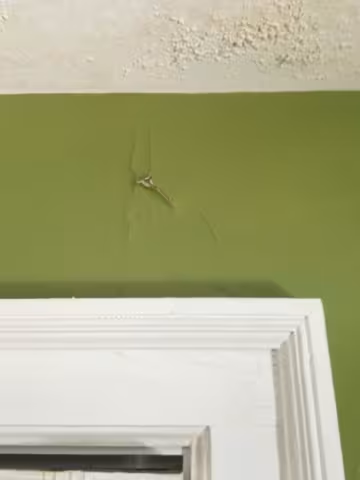
Don't Forget Your Ceilings and Walls
A roof doesn't have to visibly collapse or develop a large hole for heavy rain to cause water damage. Water can enter through damaged shingles, flashing, vents, chimneys, skylights, or other vulnerable areas.
After a major storm, look at your ceilings and walls for:
- New water stains
- Discolored areas
- Bubbling or peeling paint
- Damp drywall
- Soft spots
- Musty odors
Water can travel along framing and other building materials before appearing on the ceiling or wall where you first notice it. A small stain may therefore represent a larger area of moisture hidden behind the surface.
Check Around Windows, Doors and the Foundation
Wind-driven rain can find its way through damaged seals around windows and doors. Check these areas for moisture, particularly on the side of your home that received the most wind and rain.
You should also walk around the exterior of your home once conditions are safe. Look for areas where water collected near the foundation or where gutters and downspouts overflowed.
Clogged gutters can cause water to spill against the exterior of your home, while downspouts that discharge too close to the foundation can contribute to water intrusion.
A Wet Home Doesn't Always Look Wet
One of the biggest challenges with water damage is that homeowners can't always see the full extent of the problem.
Water can travel underneath flooring, behind walls, through insulation, and between floors. Materials may remain damp even after the surface appears dry.
For example, a homeowner we helped has a small roof leak over an upstairs bedroom that allowed water to travel through the ceiling, insulation, and flooring and eventually affected the room below. Similarly, water entering a basement may become trapped underneath carpet or behind finished walls.
Professional water damage restoration in Fall River, MA, New Bedford, MA, and surrounding Bristol County communities can help determine whether moisture has traveled beyond the areas homeowners can see.
What Should You Do If You Find Water Damage?
Safety should come first. Never enter standing water if there could be an electrical hazard, and don't attempt to clean up floodwater if it may be contaminated.
If the area is safe to access, take photographs or video of the affected areas and contact your insurance company regarding your policy and potential claim. Address the source of the water as soon as possible and avoid unnecessary contact with damaged materials.
A professional restoration team can assess the affected areas, remove standing water when necessary, identify hidden moisture, remove materials that cannot be salvaged, sanitize affected areas, and set up professional drying equipment.
Fast action matters because water can continue moving through building materials even after the storm has passed.
Bristol County Homeowners Shouldn't Wait for the Next Storm
The September 13th storm was a reminder of how quickly conditions can change across southeastern Massachusetts. From Fall River and Somerset to Swansea, Dighton, Westport, New Bedford, Acushnet, and surrounding communities, heavy rainfall created challenging conditions for homeowners. The National Weather Service documented flash flooding and significant rainfall throughout the region during the event.
If your home has experienced flooding, a roof leak, basement water intrusion, or other storm-related damage, ServiceMaster Dynamic Cleaning provides professional water damage restoration in Bristol County, MA and surrounding communities.
Our crews can respond to water damage, assess affected areas, remove damaged materials when necessary, sanitize impacted spaces, and use professional drying equipment to help prevent additional damage.
The rain may stop, but that doesn't necessarily mean your home's water damage has stopped. If you notice moisture, staining, damp materials, or a musty odor after a major storm, getting the problem assessed quickly can help protect your home from further damage.