

Air Conditioning Leaks Cause Water Damage in Massachusetts
During a hot and humid Massachusetts summer, your air conditioner works hard to keep your home cool and comfortable. But while you're enjoying the cool air, a small HVAC leak or drainage problem could be quietly causing water damage inside your home. What may begin as a clogged condensate line or overflowing drain pan can quickly turn into damaged flooring, ceilings, drywall, insulation, and finished living spaces.
For homeowners in Plainville, MA, and surrounding communities, knowing the warning signs of an HVAC-related water leak can help prevent a small problem from becoming a need for major water damage restoration services.
How Can a Small HVAC Leak Cause So Much Damage?
Air conditioning systems naturally produce condensation as they remove moisture from the air. That moisture is typically collected in a drain pan and directed away from the HVAC system through a condensate drain line or pump. When a drain line becomes clogged, a condensate pump fails, or a drain pan overflows, water can begin accumulating where it shouldn't.
The tricky part is that homeowners may not notice the problem right away. Water can seep underneath flooring, travel through ceilings and walls, and move into finished areas below an HVAC system. By the time you notice a wet spot, musty odor, warped flooring, or discoloration on a ceiling, water may have already affected materials that aren't visible.
This is particularly concerning in finished basements, where HVAC equipment or drainage lines may be located near finished walls and flooring. A relatively small amount of water can affect carpet, padding, drywall, insulation, and other materials.
Recent HVAC Water Damage Restoration Jobs
Our ServiceMaster Dynamic Cleaning crews have recently responded to several Massachusetts homes where HVAC drainage problems resulted in significant water damage.
In Attleboro, MA, an overflowing AC condenser pump caused water to flood a finished basement. The water affected the home's gym, bedroom, hallway, and rec room. Our restoration team removed the affected flooring, sanitized the impacted areas, and set up professional drying equipment to begin the water mitigation process.
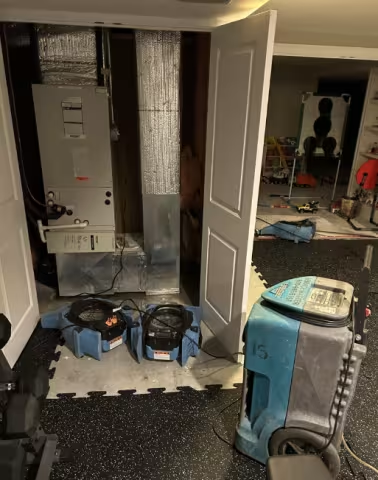
We also recently completed a similar water damage restoration project in Plainville, MA, where a clogged HVAC condenser line caused water to accumulate in a finished basement. The water affected multiple areas of the finished living space and required professional remediation. Our team addressed the affected materials, sanitized the area, and set up drying equipment to remove excess moisture and help prevent additional damage.
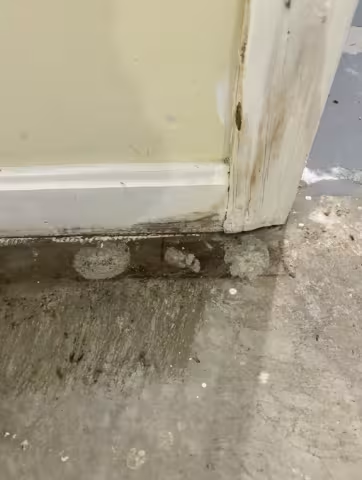
In New Bedford, MA, an HVAC drain pan overflowed in a second-floor bedroom. Water damaged the hardwood flooring in the bedroom and traveled through the floor, affecting the ceiling below in the family's living room and office. Our crews removed affected drywall and insulation, sanitized the impacted areas, and installed professional drying equipment to begin the restoration process.
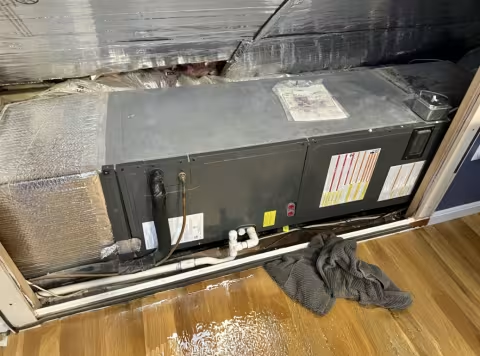
These projects demonstrate why even a seemingly minor HVAC drainage problem shouldn't be ignored. Water doesn't always stay where it starts. It can follow the path of least resistance through floors, walls, ceilings, and other building materials.
Signs of an HVAC-Related Water Leak
Homeowners should keep an eye out for:
- Water or moisture around the HVAC system
- A full or overflowing condensate drain pan
- Wet spots or discoloration on ceilings
- Warped, buckled, or damp flooring
- Musty odors near HVAC equipment
- Damp carpet or flooring in a basement
- Peeling or bubbling paint
- Unexplained moisture around walls or ceilings
If you notice any of these signs, don't assume the problem is too small to worry about. Finding and stopping the source of the water is important, but it's equally important to determine how far the moisture has traveled.
What Should You Do If Your HVAC System Causes Water Damage?
First, address the source of the leak by contacting an HVAC professional if necessary. If water has entered finished areas of your home, avoid disturbing potentially damaged materials until the extent of the damage can be assessed.
Our experienced water damage restoration technicians can identify affected areas, remove materials that cannot be salvaged, sanitize impacted spaces, and use professional drying equipment to reduce excess moisture. Properly drying the affected structure is an important step in helping prevent secondary damage, including mold growth.
Don't Underestimate a Small HVAC Leak
A clogged condensate line or overflowing AC pump may seem like a minor maintenance issue, but as our recent restoration projects in Attleboro, Plainville, and New Bedford demonstrate, HVAC water leaks can affect multiple rooms and even multiple levels of a home.
If your Plainville, MA, home experiences water damage from an HVAC leak, contact ServiceMaster Dynamic Cleaning for professional water damage restoration and water mitigation services. Acting quickly can help limit the damage and get your home back to normal sooner.