Need Drying & Dehumidification Services in Williston, VT?
Removing visible water is only part of recovering from water damage. Moisture can stay trapped inside drywall, subflooring, insulation, and framing long after the standing water is gone, and in Williston, the seasons make that moisture especially stubborn. Through long Vermont winters, homes and businesses stay sealed tight, cold indoor spaces slow evaporation, and ice dams and frozen pipes send water into walls and ceilings while snow still covers the ground. Then mud season arrives. Snowmelt and spring rain saturate the soil, raising groundwater near Allen Brook and the low-lying land toward the Winooski River and pushing moisture into basements across Taft Corners, South Williston, and the surrounding neighborhoods. Summer humidity drifting in from Lake Champlain keeps those below-grade spaces from drying on their own. Older farmhouses and historic homes in Williston Village sit on fieldstone foundations that hold dampness for months. Offices, retail centers, and commercial facilities along the busy Burlington–Williston corridor face roof leaks, burst pipes, and flooded lower levels that can disrupt business. Effective drying takes more than a few fans. It takes managing airflow, controlling humidity, monitoring moisture levels, and knowing when materials are truly dry. ServiceMaster Restoration Services - Williston provides structural drying services in Williston, VT, emergency water removal, water extraction services in Williston, commercial dehumidification, and post-water damage moisture control for homes and businesses. We’re proud to help property owners across Williston and Chittenden County dry out and move forward.
Moisture Still Lurking After Water Damage in Williston? Call Now
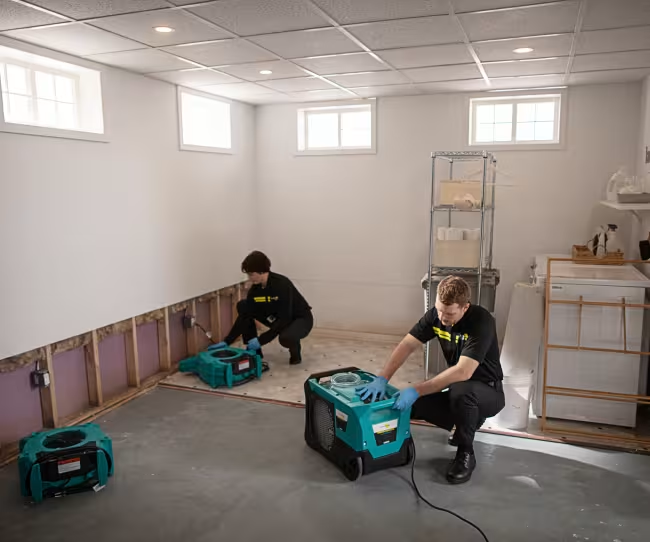
Structural Drying Services
Some of the most stubborn moisture in Williston homes arrives in the dead of winter. Heavy snow and repeated freeze-thaw cycles build ice dams along the eaves, forcing meltwater under shingles and into attics, wall cavities, and ceilings. Pipes in exterior walls and crawl spaces can freeze and split during subzero stretches, soaking insulation and framing behind finished surfaces. Because homes stay closed up and indoor air stays cool, that water has little chance to evaporate. It spreads slowly through drywall, subfloors, and wood framing, often for weeks, until stains, peeling paint, or a musty smell finally reveal how far it has traveled.
Home Dehumidification
Even after the water is gone, the air inside a Williston home can keep the problem going. Once drywall, carpet, and wood framing soak up water, they release that moisture back into the air as they dry. In summer, humid air drifting off Lake Champlain makes it hard for that moisture to escape, especially in basements and closed-off rooms. In winter, homes sealed against the cold trap humidity inside, and condensation forms on cold windows, exterior walls, and basement surfaces. When humidity stays high, damp materials keep absorbing moisture instead of drying. That can lead to warped floors, peeling paint, musty odors, and mold within days.
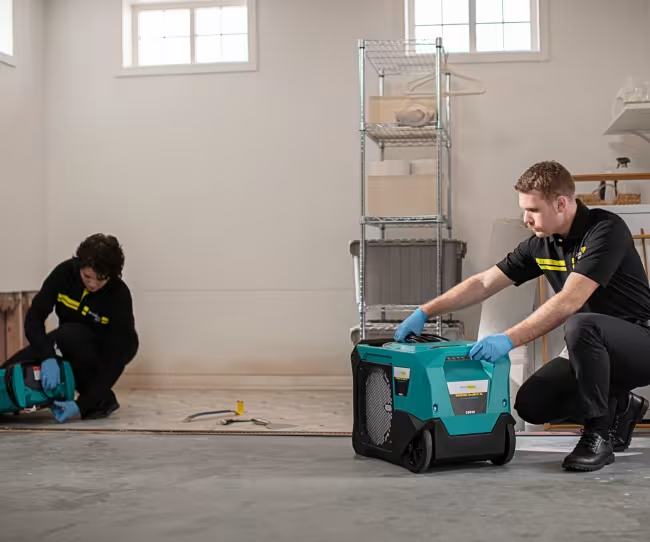
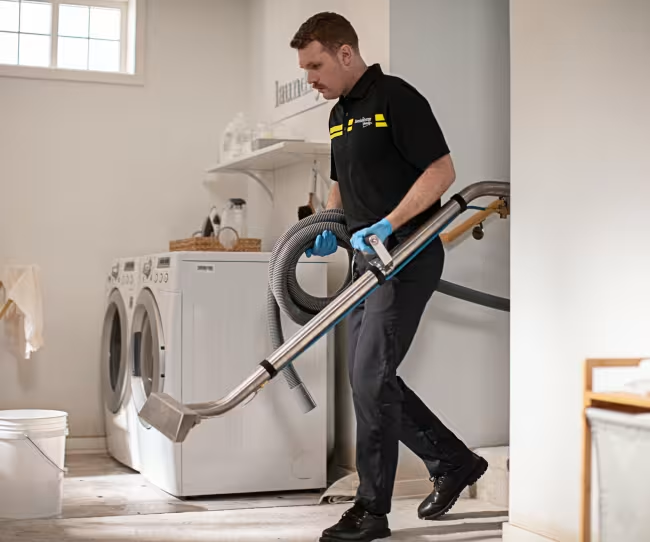
Water Extraction Support
Each spring, Williston basements feel the full weight of mud season. A winter’s worth of snow melts in a matter of weeks, saturating soil that’s still partly frozen and sending water toward foundations. Sump pumps can run nonstop and then fail during a spring storm or power outage. Older fieldstone and block foundations let groundwater seep through walls and floor joints. Water collects in finished family rooms, storage areas, and utility spaces, soaking carpet, drywall, and belongings. The longer it sits, the deeper it soaks into porous materials, and the more likely mold and lasting damage become.
Why Williston Property Owners Trust Our Drying Services
Cold-Climate Expertise
Hidden Moisture Detection
Built Around Your Home
Full Dry-Out Management
Why Proper Drying Is Critical in Williston
Water damage can continue affecting a property after the visible water is gone. Porous materials can absorb moisture quickly, and enclosed areas may dry slowly without appropriate airflow and humidity control.
Within hours: Moisture can begin absorbing into porous building materials.
Within 24–48 hours: Prolonged exposure to water can contribute to swelling, deterioration, and damage to certain materials.
Within days: Persistent moisture can increase conditions favorable to mold growth, particularly in warm, enclosed, or poorly ventilated areas.
The exact drying timeline varies based on the amount of water, affected materials, temperature, humidity, airflow, and extent of the damage. Professional drying equipment and moisture monitoring can help address these variables more effectively than relying on natural evaporation alone.
What to Do After Water Damage in Williston
-
1Step 1Remove Standing Water
If it is safe to do so, address accessible standing water while avoiding electrical hazards and contaminated water. Significant flooding or unsafe conditions should be handled by trained professionals.
-
2Step 2Increase Ventilation Carefully
Air movement can support drying, but uncontrolled airflow is not appropriate for every water damage situation. Professional drying equipment can help manage airflow and humidity more precisely.
-
3Step 3Limit Foot Traffic
Avoid unnecessary movement through affected areas. Foot traffic can spread moisture and contaminants or push water farther into carpets, flooring, and other materials.
-
4Step 4Call ServiceMaster Restoration Services - Williston
Contact our Williston drying and dehumidification team as soon as possible. We can assess the affected areas and determine the appropriate combination of water removal, structural drying, dehumidification, and moisture monitoring.