Need Water Removal or Flood Cleanup in Traverse City, MI?
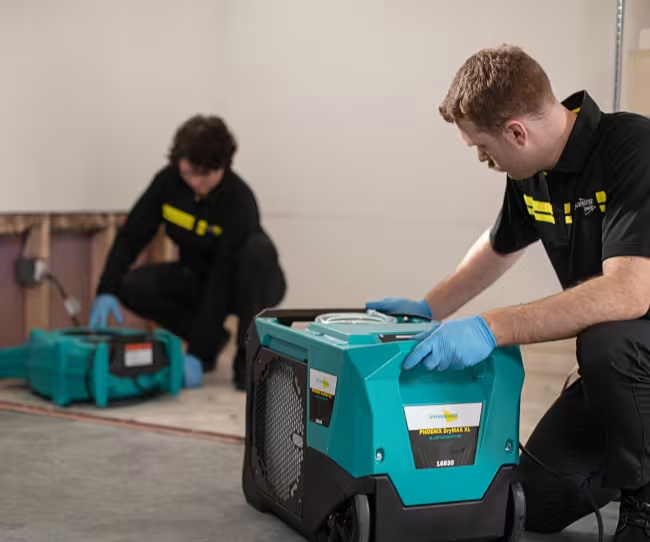
Traverse City homes face water damage risks shaped by Northern Michigan’s lake-influenced climate, changing seasons, and unique terrain. Heavy lake-effect snowfall off Grand Traverse Bay, rapid spring thaw throughout the Boardman River watershed, and basement seepage in older neighborhoods like Slabtown, Central Neighborhood, and areas near West Bay can all contribute to unexpected flooding. Freeze-thaw cycles also place stress on foundations and plumbing systems, creating risks that can appear overnight. When water enters a home, moisture can travel behind walls, beneath flooring, and into structural materials. ServiceMaster Restoration Services - Traverse City uses advanced moisture detection, emergency water extraction, structural drying, and dehumidification to help Traverse City homeowners address both visible water and hidden saturation.
Water Filling your Traverse City Basement? Call Now for Emergency Extraction Services
Lake-Effect Storm Water Extraction in Traverse City Homes
Traverse City’s location along Grand Traverse Bay creates a unique weather pattern where lake-effect snow, heavy precipitation, and rapid seasonal changes can impact local homes. Storm-driven water intrusion may affect basements, crawl spaces, and lower-level areas, especially after intense rainfall or periods of heavy snow accumulation. Older homes near West Bay, Slabtown, and downtown Traverse City may have basement layouts and foundation systems that require extra attention during major weather events. With the region’s active stormwater network connecting to waterways like the Boardman-Ottaway River, managing runoff is an important part of protecting local homes.
Frozen Pipe Damage During Winter Cold Snaps
Traverse City winters bring prolonged freezing temperatures, heavy snowfall, and rapid temperature swings that can place stress on residential plumbing systems. Homes built in earlier decades, seasonal cottages, and properties with pipes located near exterior walls, crawl spaces, or unfinished areas can be especially vulnerable when temperatures plunge. A frozen pipe may appear harmless until expanding ice causes a split, releasing water into walls, ceilings, or basement areas once temperatures rise. In Northern Michigan, the freeze-thaw cycle creates a unique challenge because water damage can begin during the coldest months and continue developing as conditions change.


Basement Water Intrusion & Groundwater Issues
Not every water problem arrives with a major storm. Many Traverse City homeowners experience ongoing basement moisture concerns caused by groundwater movement, foundation aging, and seasonal changes around the property. Homes near West Bay, Boardman Lake, and lower-lying areas around the river corridor may face added moisture pressure when soil remains saturated after heavy precipitation or spring thaw. Older homes with stone foundations, finished basements, or aging drainage systems can be especially vulnerable to seepage and recurring dampness. Across the Traverse City area, managing basement moisture is an important part of protecting living spaces from long-term water damage.
Why Choose ServiceMaster for Water Damage Restoration in Traverse City
Deep Moisture Detection
Controlled Structural Drying
Mold Prevention in Rapid Moisture Cycles
High-Capacity Water Extraction
Why Water Damage Can’t Wait in Traverse City Homes
Traverse City’s lake-influenced weather and seasonal temperature swings can accelerate how quickly water damage affects a home.
Within 24 hours: Drywall can begin absorbing moisture, flooring may start changing shape, and wood materials can begin taking on water. Basements with limited airflow may trap moisture in hidden areas.
Within 24–48 hours: Mold growth can begin in damp materials, especially in older basements affected by groundwater seepage, spring thaw, or prolonged humidity.
After one week: Moisture can contribute to stronger odors, damaged insulation, warped materials, and deeper structural concerns that may require more extensive repairs.
What to Do Immediately After Water Damage in Your Traverse City Home
-
1Step 1Stop the Water Source
If a burst pipe, appliance leak, or plumbing issue is causing the damage, shut off the main water supply if it is safe to do so. This helps prevent additional water from entering the home.
-
2Step 2Turn Off Electrical Power in Affected Areas
Avoid entering areas with standing water near outlets or electrical equipment. Shut off power at the breaker if possible and safe before moving through affected spaces.
-
3Step 3Document the Damage
Take photos and videos of damaged rooms, belongings, and the source of the water before removing items. Clear documentation can help provide important details during the insurance process.
-
4Step 4Call for Emergency Water Remova
Once everyone is safe, contact ServiceMaster Restoration Services - Traverse City as soon as possible. Quick action helps limit how far moisture spreads into walls, flooring, and structural materials.