Need Water Removal or Flood Cleanup in Traverse City, MI?
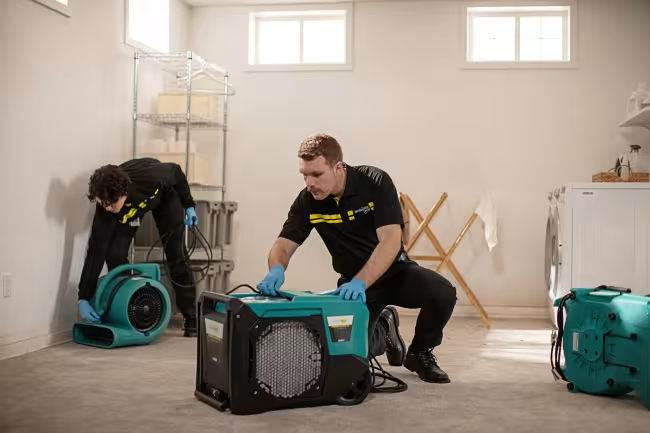
Water finds its way into Traverse City homes in every season. Winters along Grand Traverse Bay bring feet of lake-effect snow, and when it melts each spring, saturated ground pushes water toward foundations and into basements. Homes near the Boardman River, Kids Creek, and other low-lying areas can see groundwater rise quickly during thaw and heavy rain. Repeated freeze-thaw cycles open cracks in foundations and form ice dams that send meltwater into attics and ceilings. Summer storms roll in off Lake Michigan with wind-driven rain that pushes water around windows, doors, and siding on homes facing the bay. Many older homes in Old Town, Slabtown, and the Central Neighborhood have stone or block foundations, plaster walls, and original wood floors that soak up water and hold onto it. Cottages and second homes around East Bay, West Bay, and the inland lakes can sit empty when a pipe bursts or a sump pump fails, giving water time to spread. Finished basements and aging materials can hold moisture long after the standing water is gone. Our structural drying services use commercial-grade dehumidification, moisture mapping, thermal imaging, and daily monitoring to find damp areas and remove trapped moisture. We’re proud to help homeowners throughout Traverse City and Grand Traverse County get their homes dry and back to normal.
Still Smelling Moisture or Seeing Damp Materials in Your Home? Call Now for Professional Drying Services.

Storm Damage Structural Drying
Spring and summer storms can sweep across Lake Michigan and Grand Traverse Bay with little warning, driving rain sideways into homes along East Bay, West Bay, and the surrounding neighborhoods. Strong gusts can lift shingles, crack windows, and loosen siding, letting water slip into walls and attics. On homes facing the water, rain can push past window frames and door thresholds for hours. Much of that water soaks into insulation, drywall, and subflooring where it can’t be seen, and surfaces may look dry while the materials behind them stay wet. We pair moisture detection with professional drying equipment to find and remove hidden storm water.
Frozen Pipe Moisture Removal
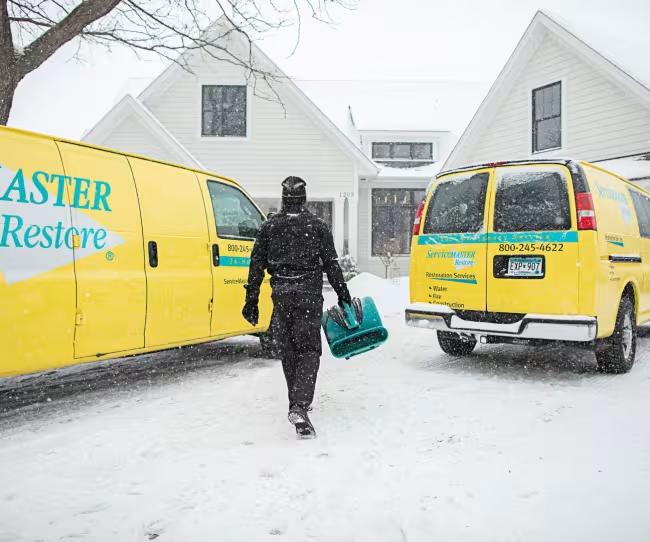
Northern Michigan cold snaps put homes through a lot each winter. When temperatures plunge and lake-effect snow piles up, pipes in exterior walls, crawl spaces, and unheated cottages can freeze and split. Seasonal homes left empty for the winter face the greatest risk, since a burst pipe can run for days or weeks before anyone returns. Ice dams can also push meltwater under shingles and into ceilings. Water soaks insulation, wall cavities, and ceiling spaces that are difficult to reach. Even after the leak stops, trapped moisture keeps damaging materials and creates the right conditions for mold.
Emergency Basement Dehumidification
Finished basements in Traverse City take on moisture from several directions. Spring runoff and high groundwater push water through older stone and block foundations. Heavy rain saturates the ground around the house, and sump pumps can fail during storms or power outages. Humid summers off the bay keep lower levels damp long after the water is gone. Carpet, drywall, framing, and stored belongings absorb that moisture, and musty odors and mold can follow. In basements finished into family rooms, guest suites, or rental space, damage can spread behind walls and under floors before anyone notices.
Why Choose ServiceMaster Restoration Services - Traverse City for Drying & Dehumidification Services?
Know It’s Thoroughly Checked
Protect Your Home
Feel Confident It’s Dry
Reach Trapped Moisture
Why Moisture Damage Can't Wait in Traverse City Homes
Traverse City's humid summers, lake-effect weather patterns, and seasonal moisture conditions make thorough drying especially important when water reaches porous materials throughout your home.
First 24 Hours: Materials Absorb Water. Drywall, wood flooring, insulation, cabinetry, and trim absorb moisture after water damage. As materials remain wet, swelling, staining, and deterioration become greater concerns throughout the property.
24-48 Hours: Mold Risk Grows. Moisture trapped behind walls or beneath flooring provides damp conditions where mold growth could develop, particularly during Traverse City's warmer, more humid summer months.
After One Week: Damage Deepens. Wood framing could warp, insulation may lose effectiveness, and lingering odors become more noticeable as moisture remains trapped in materials and restoration becomes more extensive.
What to Do Immediately After Water Damage in Your Traverse City Home
-
1Step 1Shut Off the Water
For a burst pipe, appliance leak, or plumbing failure, shut off the water when safe to do so to reduce continued moisture entering your home.
-
2Step 2Remove Standing Water
For minor accumulation, use towels, mops, or a wet vacuum when safe. Stay out of flooded spaces if electrical hazards could be present.
-
3Step 3Document Wet Areas
Photograph affected rooms, damp materials, and visible water damage. These records could be useful when discussing the loss with your insurance provider.
-
4Step 4Call ServiceMaster Restoration Services - Traverse City
Professional drying should happen quickly because moisture often remains after surfaces look dry. If you're searching how to dry out wet drywall fast in Traverse City, MI, professional moisture detection and controlled drying provide a safer approach than relying on surface appearance alone.