Hidden Moisture Has a Way of Sticking Around
Reno’s dry high desert air can be deceiving after water damage. Surfaces often look dry within a day, but moisture trapped behind drywall, beneath flooring, and inside insulation can linger for weeks. Water reaches Reno homes in more ways than many people expect. Clear, frigid winter nights freeze and burst pipes in Sparks, the North Valleys, and Spanish Springs, where cold air settles on the valley floor. Each spring, Sierra Nevada snowmelt raises groundwater near the Truckee River and sends runoff toward foothill neighborhoods in South Reno. Atmospheric river storms can drop rain on the mountain snowpack and push creeks over their banks. Older homes in Midtown and Old Southwest Reno face aging plumbing, worn appliance connections, and clay sewer lines that can back up. Many homes sit on slab foundations, where water spreads beneath flooring with nowhere to drain. Others have crawl spaces or lower levels that hold dampness out of sight. ServiceMaster Restoration Services – Reno provides professional moisture removal and emergency flood cleanup around Reno, including Sparks and surrounding Washoe County communities. Our team uses specialized drying equipment and moisture measurements to address hidden dampness before more damage develops. We’re proud to help families across the Truckee Meadows dry out and move forward.
Damp Spots in Reno? Let's Dry Things Out. Call Today
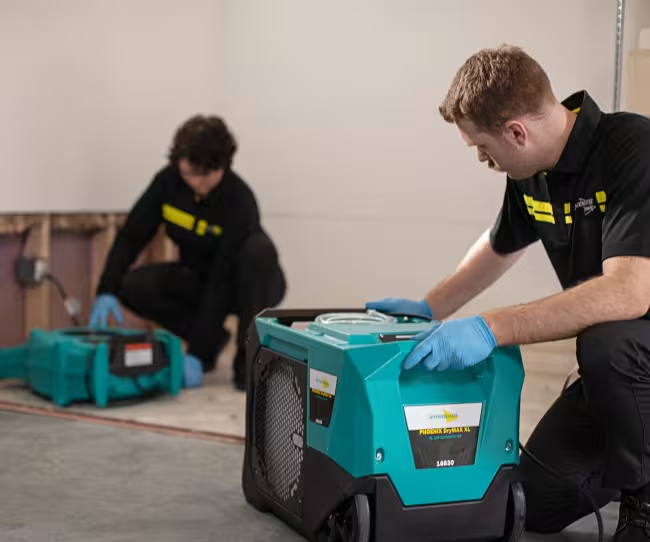
Structural Drying That Goes Deeper
After a burst pipe or appliance leak, the water you see is only part of the problem. In Reno homes, moisture travels beneath tile, laminate, and hardwood, soaks into subfloors, and wicks up drywall into wall cavities where household fans can’t reach. On slab foundations, water spreads sideways across the concrete with nowhere to drain. Because the air in Reno is so dry, surfaces can look and feel dry within hours, leading many homeowners to believe the problem is solved. Meanwhile, the materials underneath stay wet, slowly warping floors, weakening drywall, and creating the conditions for mold inside walls.
Basement Moisture Under Control
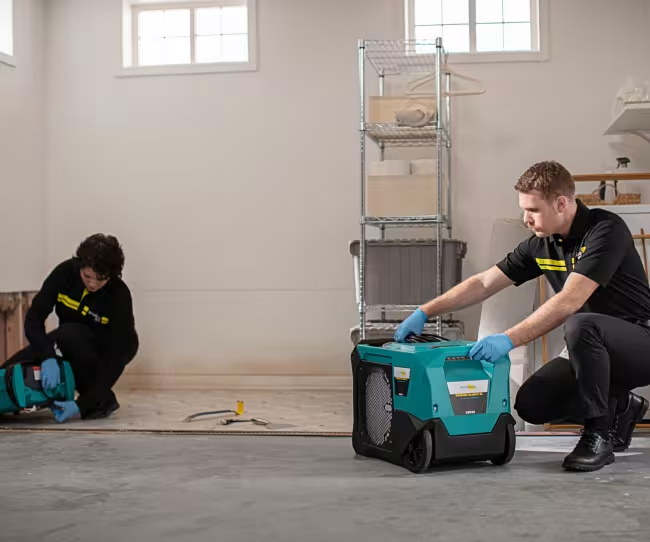
Basements and lower levels around Reno face moisture from below and from the side. During spring snowmelt and after heavy storms, groundwater rises near the Truckee River and Steamboat Creek and presses against foundation walls. In many parts of the valley, a dense caliche layer beneath the soil keeps water from draining downward, so it collects against the house instead. Older basements in Midtown and Old Southwest Reno have aging foundations that let water seep through. Even when there’s no standing water, damp concrete releases moisture into enclosed spaces with little ventilation, leading to musty odors, damaged finishes, and mold.
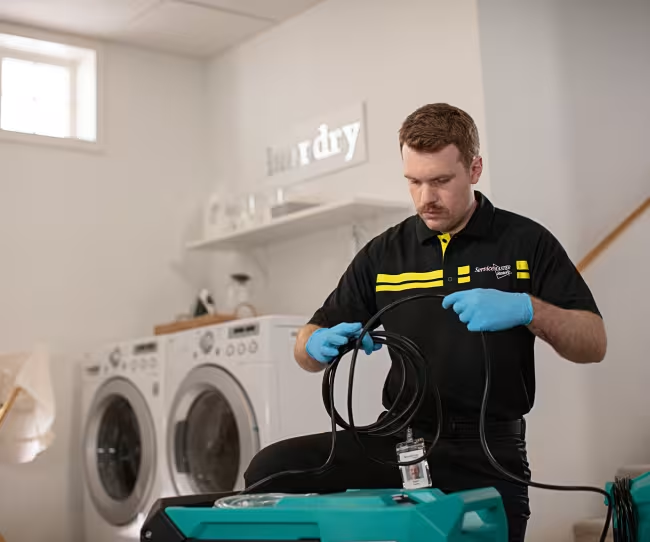
Sewage Damage Calls for Extra Care
A sewage backup leaves behind far more than an unpleasant mess. In Reno’s older neighborhoods, decades-old clay sewer laterals can crack and clog as tree roots grow into them, and heavy storms can overload city lines and push wastewater up through basement floor drains, toilets, and showers. In outlying parts of Washoe County, homes on septic systems can see backups when saturated ground keeps the system from draining. Sewage carries bacteria and contaminants that soak into concrete, carpet, drywall, and framing. Even after cleanup, contaminated moisture trapped in porous materials can keep the space unsafe and cause odors to linger.
Why Choose ServiceMaster Restoration Services - Reno?
Advanced Moisture Detection
Industrial-Strength Moisture Removal
Measured Drying From Start to Finish
Early Moisture Control Matters
The Longer Water Sits, the Further It Travels
Water damage doesn't stop progressing once the puddles disappear. Here's how lingering moisture might affect your Reno property without proper drying.
Within 24 Hours: Moisture begins spreading into porous materials, including drywall and wood framing. Water trapped beneath flooring or behind baseboards often remains unnoticed while surrounding materials continue absorbing it.
Within 24–48 Hours: Damp, enclosed areas create favorable conditions for microbial growth, sometimes within this timeframe. Insulation and subflooring might remain wet even when nearby surfaces appear completely dry to the touch.
After One Week: Prolonged moisture increases the likelihood of warped flooring, deteriorating drywall, and persistent odors. Depending on contamination and material damage, some affected components might require removal rather than drying alone.
Four Steps to Take After Water Damage
-
1Step 1Stop the Water Source
If a pipe or appliance is leaking, shut off the water supply when it's safe to do so. Avoid entering flooded areas where electrical hazards might be present.
-
2Step 2Ventilate When Appropriate
If the water is clean and conditions are safe, improve airflow in unaffected areas. Avoid running HVAC equipment when contamination or water damage affects the system.
-
3Step 3Protect Surrounding Materials
Keep foot traffic away from wet flooring and move dry belongings out of affected spaces when safe. Leave contaminated materials undisturbed until restoration professionals assess the damage and take appropriate precautions.
-
4Step 4Schedule Professional Drying
Contact ServiceMaster Restoration Services - Reno for a moisture assessment. Professional technicians will evaluate affected materials, establish a drying plan, and monitor progress using specialized restoration equipment.