Need Water Removal or Flood Cleanup in Green Island, NY?
Green Island properties sit in a uniquely exposed position along the Hudson River, where water intrusion risks are shaped by both natural and infrastructure-driven forces. Seasonal flooding, aging plumbing systems, and intense storm cycles combine to create frequent basement and structural water emergencies requiring emergency flood cleanup Green Island NY services.
Hudson River rise and backflow pressure. Heavy rainfall or upstream snowmelt elevates river levels, increasing hydraulic pressure beneath surrounding soil. Water is pushed through foundation joints and slab edges, slowly saturating basements even without direct surface flooding.
Freeze-thaw pipe failures during winter. Cold snaps in January and February cause pipes in crawl spaces and exterior walls to expand and crack. When thaw begins, sudden ruptures release large volumes of water into hidden structural cavities. Storm runoff overload near residential corridors. Intense rain events overwhelm drainage systems, forcing water into window wells, foundation seams, and basement entry points.
Our response includes industrial extraction systems, moisture mapping for hidden saturation zones, and controlled drying strategies designed to prevent secondary damage like mold growth and structural warping across Albany County homes and businesses.
Water filling your Green Island basement right now? We’re ready to respond 24/7.

Hudson River Flood & Stormwater Basement Cleanup
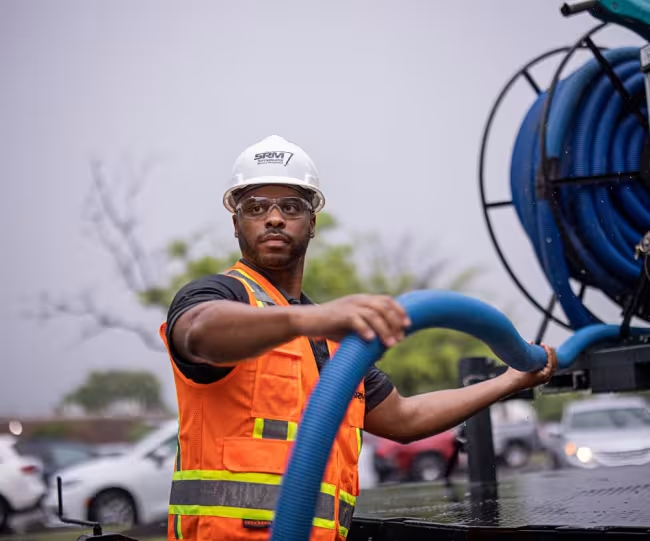
Flooding near the Hudson River is not just surface water, it is pressure-driven infiltration. When river levels rise due to nor’easters or prolonged rainfall, saturated soil pushes water directly into foundation systems. In Green Island, this can result in gradual seepage or rapid basement filling depending on elevation and drainage conditions. Our warehouse flood restoration and basement cleanup process uses truck-mounted extraction to remove standing water quickly, even from tight or layered basement layouts.
Burst Pipe & Winter Freeze Water Damage Restoration
Winter in Green Island brings sharp temperature swings intensified by river corridor wind exposure. Pipes in uninsulated basements, crawl spaces, and exterior walls are especially vulnerable to freezing. When pressure builds, even a small crack can release hundreds of gallons once thaw begins. This type of water damage usually escalates overnight without warning. Water spreads through drywall cavities, flooring systems, and electrical chase areas, creating hidden saturation zones. Our process begins with immediate water shutoff guidance, followed by high-volume extraction.

Basement Seepage & Sump Pump Failure Restoration
Basement seepage is one of the most consistent water damage issues in Green Island due to constant hydrostatic pressure from the Hudson River. Even without storms, groundwater can push through foundation cracks and slab joints over time. Sump pump systems often run frequently in this environment and may fail due to overload, power outages, or mechanical burnout. During spring melt or extended rain cycles, continuous cycling can overwhelm systems entirely. When failure occurs, water re-enters basement spaces through discharge line backups or foundation seepage points.
Why Choose Us for Commercial Water Damage Restoration in Green Island
River-Influenced Moisture Detection Mapping
Rapid-Volume Water Extraction Systems
Structural Drying Stabilization Process
Mold Prevention Moisture Control Window
Why Flooded Basements Can’t Wait in Green Island Homes
In river-adjacent environments like Green Island, water damage accelerates faster than most property owners expect.
Within 24 hours, drywall begins to swell, flooring materials absorb moisture, and metal fasteners start to corrode. Water spreads deeper into concealed cavities where damage is no longer visible.
Within 24–48 hours, humidity trapped behind walls creates ideal conditions for mold development, especially in basements with limited airflow and high Hudson River moisture influence.
After 5–7 days, structural framing may warp, insulation degrades, and contaminants from floodwater or sewage intrusion continue penetrating building assemblies.
What to Do Immediately After Basement Flooding in Your Green Island Home
-
1Step 1Shut Off Water Source if Applicable
Stop water flow immediately if a pipe or appliance failure is involved.
-
2Step 2Avoid Electrical Contact Risks
Do not enter standing water until power is shut off at the breaker panel.
-
3Step 3Document All Damage Clearly
Take detailed photos of water levels, affected areas, and damaged belongings for insurance purposes
-
4Step 4Call Emergency Water Restoration Professionals
Contact ServiceMaster for immediate extraction and drying. Fast response improves salvage potential and reduces long-term structural damage.