Need Water Removal or Flood Cleanup in Flint, MI?
Flint homes face water emergencies in every season. Through long Michigan winters, subzero cold snaps can freeze and burst pipes in exterior walls, crawl spaces, and unheated basements. Many of those pipes run through homes built during Flint’s early automotive boom. When spring arrives, melting snow and heavy rain saturate the ground and push water through aging brick and block foundations in neighborhoods from Mott Park and Civic Park to the East Side. Homes near the Flint River, Gilkey Creek, and Thread Lake can see rising groundwater, and sump pumps often run nonstop. Heavy summer storms rolling across Genesee County can overwhelm older storm drains and sewer lines and send water back up through basement floor drains. In older homes, that water rarely stays where you can see it. It soaks into drywall, plaster, insulation, flooring, and framing, and moisture can remain inside wall cavities and beneath floors long after the standing water is gone, where it keeps causing damage. ServiceMaster Restoration Services - Flint provides emergency water extraction, basement flood cleanup in Flint, MI, and professional structural drying with commercial air movers and dehumidifiers. We remove lingering moisture and help stabilize your home. We’re proud to help Flint and Genesee County families recover and get back to normal.
Water Sitting in Your Flint Home? Start Emergency Drying and Dehumidification Now—24/7 Response Available.
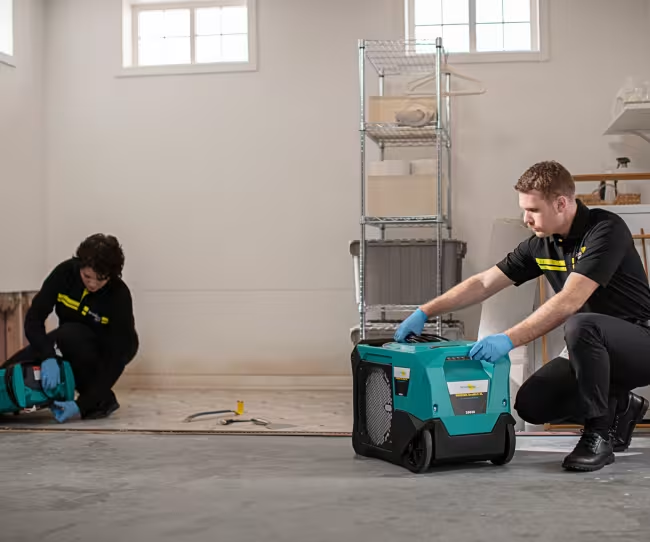
Frozen & Burst Pipe Drying in Flint Homes
Frozen pipes are one of the most common reasons Flint homes need emergency drying. When subzero cold settles over Genesee County, pipes in exterior walls, crawl spaces, and unheated basements can freeze and split. Older homes with limited insulation are especially vulnerable. Often nothing seems wrong until the ice thaws and water starts pouring out, sometimes overnight or while the family is away. Water spreads through wall cavities, soaks insulation and plaster, and runs beneath hardwood floors before anyone sees it. We start with fast water extraction and targeted drying to reach moisture hidden behind the walls.
Sump Pump Failure & Basement Flood Drying
Many Flint basements depend on sump pumps to stay dry, and those pumps work hardest during spring thaw and heavy rain, when they’re most likely to fail. A power outage during a storm, a stuck float switch, or a discharge line clogged with debris or frozen solid can leave a basement flooding within hours. Even when the pump runs, saturated ground can push groundwater through cracks in aging brick and block foundations. Water soaks carpet, drywall, stored belongings, furnaces, and water heaters. Concrete and masonry then hold onto that moisture for weeks, keeping the basement damp and musty long after the water is gone.
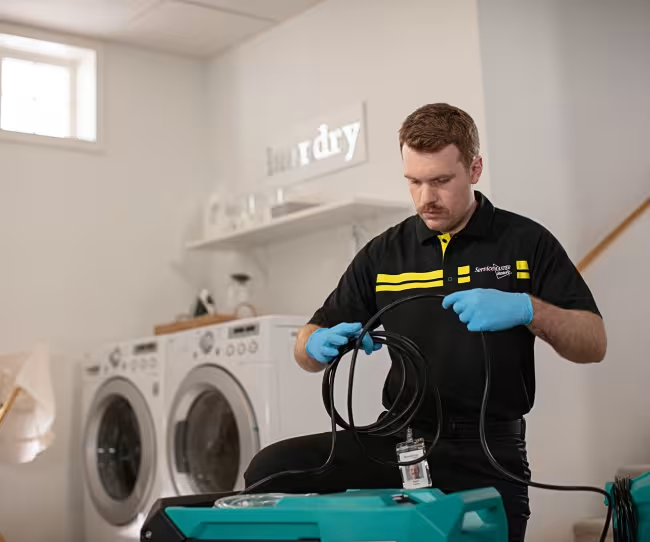

Storm-Driven Sewer Backup Drying
When heavy summer storms roll across Flint, older storm drains and sewer lines can’t always keep up. Water has to go somewhere, and in many homes it comes back up through basement floor drains, toilets, and showers. Tree roots and aging clay sewer laterals add to the risk, especially in established neighborhoods. Sewage backups carry bacteria and contaminants that soak into concrete, drywall, carpet, and framing, making the space unsafe. Contaminated materials often have to come out before the area can dry properly. Without thorough drying, lingering moisture can lead to mold, odors, and structural damage.
Why Choose Our Team for Water Extraction & Structural Drying in Flint, MI

Precision Moisture Detection
Rapid Water Extraction Response
Controlled Structural Drying Systems
Mold Prevention Through Moisture Control
Why Water Damage Drying Can't Wait in Flint Homes
The longer water-damaged materials remain wet, the greater the opportunity for damage to spread and for secondary problems to develop. The EPA specifically recommends prompt drying of water-damaged areas and notes that moisture control is central to mold prevention.
Within 24 hours: Materials continue absorbing moisture. Drywall, wood, insulation, flooring, and other materials can absorb or retain water. Moisture can also migrate into areas that were not initially obvious, including wall cavities and subfloors.
Within 24–48 hours: Mold conditions may develop. Prompt drying is important because wet or damp materials can provide conditions that support mold growth. EPA guidance recommends drying affected materials within this timeframe, when possible, while noting that the 24–48-hour period is a guideline rather than a guarantee.
After several days: Damage can become more extensive. Materials that remain wet may experience continued deterioration, swelling, warping, odors, or other damage. Moisture can also spread beyond the original area, potentially increasing the scope of restoration.
What to Do Immediately After Water Damage in Your Flint Home
-
1Step 1Stop the Water Source if Still Active
If a pipe is still leaking and you can safely do so, shut off the main water supply. If the source is a plumbing failure, contact a qualified plumber to address the underlying problem.
-
2Step 2Keep Electricity Off in Wet Areas
If water has reached outlets, electrical equipment, or other electrical components, avoid contact with the affected area. If it is safe to do so, shut off power to the affected area from the electrical panel. Never enter standing water if electrical hazards may be present.
-
3Step 3Reduce Surface Moisture Safely
If conditions are safe, move small wet belongings out of the affected area and remove easily accessible standing water without putting yourself at risk. Avoid using household heating equipment or fans in situations where electrical or contaminated-water hazards may exist. EPA guidance also cautions against using fans before determining whether the water is clean or sanitary.
-
4Step 4Call for Emergency Drying & Dehumidification
Once immediate safety concerns are addressed, contact a professional restoration team for water extraction, moisture assessment, structural drying, and dehumidification. Fast action can help limit continued moisture exposure and identify hidden water before it causes additional damage.