Need Burst Pipe Cleanup or Water Removal in Flint, MI?
When a Michigan cold snap settles over Flint, temperatures can stay below zero for days, and bitter wind chills push that cold into every gap in a home. Then a sudden thaw can arrive just as quickly, and those rapid freeze-thaw swings put heavy stress on aging plumbing. Older homes in Civic Park, the College Cultural Neighborhood, Mott Park, and the neighborhoods along Corunna Road often have copper or galvanized pipes running through exterior walls, uninsulated rim joists, crawl spaces, and unheated basements. Galvanized lines that have corroded over time are especially likely to split when water inside them freezes and expands. Homes left empty during the holidays or a winter trip face added risk, since a broken pipe can run for hours or days before anyone returns. Water spreads through wall cavities, soaks basement laundry and utility areas, and seeps beneath floors and into framing before the leak is even found. When a pipe breaks, fast basement water removal, frozen pipe cleanup, and structural drying can help limit the spread of water into drywall, flooring, framing, and other materials. Our team supports Flint and Genesee County with industrial air movers, dehumidifiers, moisture mapping, and targeted drying for hidden moisture behind walls and beneath floors. We’re proud to help Flint families get through winter’s worst and back to normal.
Burst pipe flooding your Flint home? Get emergency help in minutes—24/7 response available. Call Now
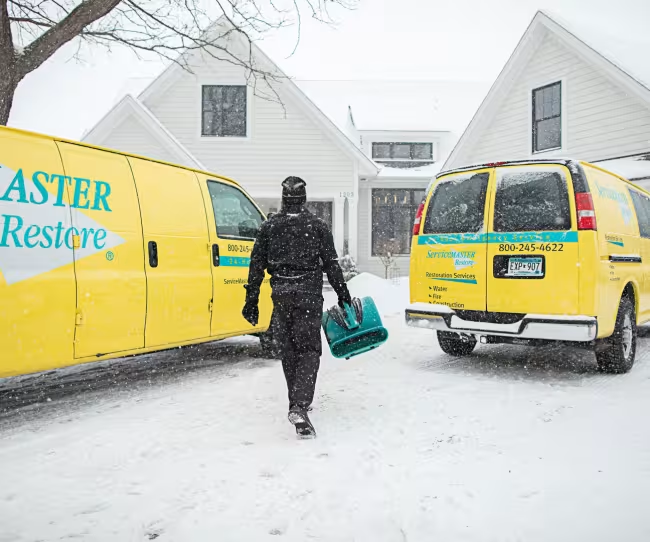
Frozen Pipe Bursts in Flint Homes
Freezing is the most common cause of burst pipes in Flint. When temperatures plunge below zero and stay there, water in lines running through exterior walls, crawl spaces, unheated garages, and rim joists can freeze solid. As it expands, pressure builds until the pipe splits. Homes on the East Side and around Davison Avenue, along with other older neighborhoods, often have plumbing in poorly insulated spaces that cold air reaches easily. The break usually isn’t noticed until the ice thaws and water starts pouring out, often behind a wall or under a floor. Our team responds with fast water extraction to stop the damage from spreading.
Aging and Corroded Pipe Leaks
Many Flint homes still rely on plumbing that’s been in place for generations. Galvanized steel lines corrode from the inside, building up rust and mineral deposits that narrow the pipe and weaken its walls. Older copper pipes can develop pinhole leaks, and fittings and joints loosen over decades of temperature swings. These leaks often start slowly inside walls, under sinks, or along basement ceilings, dripping for weeks before anyone sees a stain, a warped floor, or a musty smell. By the time the leak is found, water may have soaked drywall, insulation, subflooring, and framing well beyond the source.
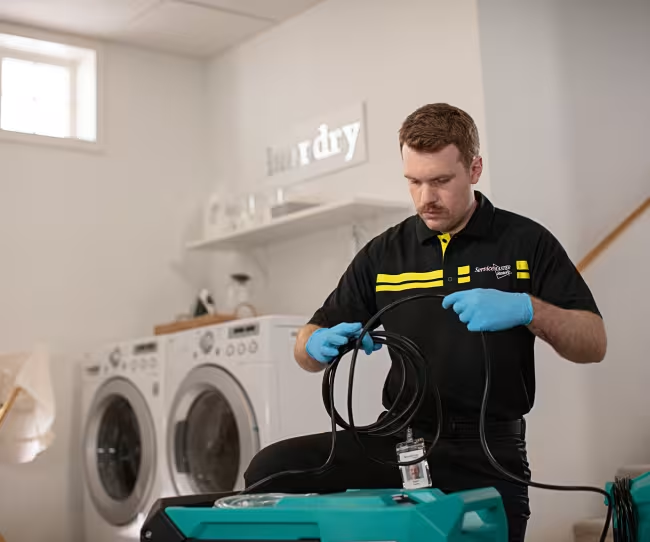
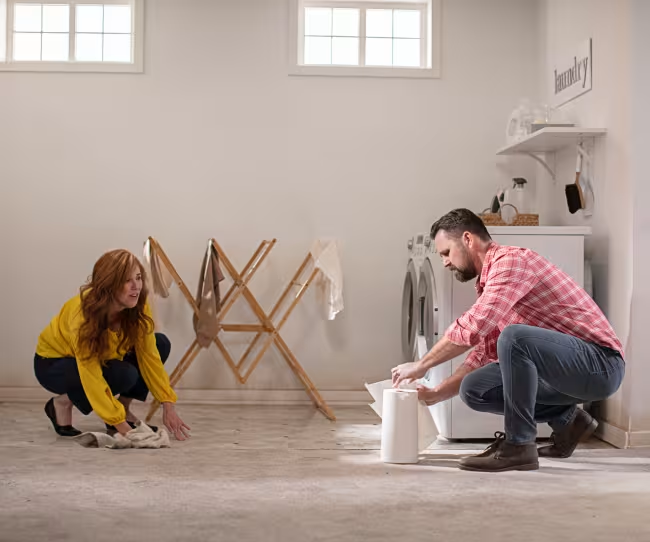
Water Heater and Appliance Line Failures
Not every pipe emergency starts in the walls. In many Flint basements, water heaters, washing machines, and utility sinks sit side by side, connected by supply lines and fittings that wear out over time. Rubber washing machine hoses can crack and burst without warning. Aging water heaters can corrode and leak from the bottom of the tank. Ice maker and dishwasher lines can split behind appliances where no one looks. Because these fixtures stay pressurized, a single failure can release a steady stream of water for hours, flooding a basement or kitchen before the family gets home.
Why Choose Our Team for Burst Pipe Water Damage Cleanup in Flint, MI

Advanced Moisture Mapping
Rapid Water Extraction Equipment
Full Structural Drying Systems
Mold Prevention Built Into Drying
Why Burst Pipe Water Damage Can’t Wait in Flint Homes
When a pipe breaks, the amount of water released and the materials it reaches can change rapidly. Flint’s winter temperatures and damp basement environments can make natural drying difficult, allowing moisture to remain inside building materials.
Within 24 Hours: Materials Begin Absorbing Water. Drywall can swell, wood flooring can begin to cup, and metal components can start showing signs of corrosion. Water can also migrate from the visible area of a leak into subfloors, wall cavities, insulation, and other materials.
Within 24–48 Hours: Mold Risk Begins Escalating. Moisture trapped behind walls, underneath flooring, or inside other porous materials can create conditions that support mold growth. Cool temperatures do not eliminate the need for prompt drying, particularly when ventilation is limited in enclosed basement areas.
After 3–7 Days: Structural Damage Intensifies. Prolonged moisture exposure can cause framing to warp, reduce the effectiveness of insulation, and allow contaminated water to penetrate more deeply into building materials. The longer affected materials remain wet, the greater the potential for additional restoration and replacement work.
What to Do Immediately After a Burst Pipe in Your Flint Home
-
1Step 1Shut Off the Main Water Supply
Locate the main water shutoff valve and stop the flow as soon as it is safe to do so. This can help prevent additional water from entering the home while you arrange for emergency cleanup and plumbing repairs.
-
2Step 2Turn Off Electricity in Affected Areas
If water has reached outlets, electrical equipment, or appliances, turn off power to the affected area from the breaker only if you can do so safely from a dry location. Never enter standing water to reach an electrical panel or attempt to handle electrical equipment.
-
3Step 3Move Valuables and Document the Damage
If conditions are safe, move important belongings away from affected areas. Take photos or video of visible water damage and affected rooms before cleanup begins when possible. Documentation can be useful when communicating with your insurance company.
-
4Step 4Call ServiceMaster Restoration Services - Flint
Once immediate safety concerns are addressed, arrange for professional burst pipe cleanup and structural drying. Prompt water extraction and moisture control can help limit the spread of water damage while the plumbing issue is being repaired.