Need Mold Remediation in Richmond, VA?
Richmond homes experience mold growth for a variety of local reasons, especially when moisture is not properly managed. Heavy rain events, tropical storm remnants, and James River flooding can leave basements, crawl spaces, and lower-level rooms damp long after water recedes. During humid Richmond summers, poor ventilation, exposed soil in crawl spaces, and elevated indoor humidity often create ideal conditions for mold growth. Older homes in neighborhoods like The Fan, Church Hill, and Forest Hill may also face hidden plumbing leaks, roof issues, or appliance overflows that allow moisture to linger behind walls and flooring.
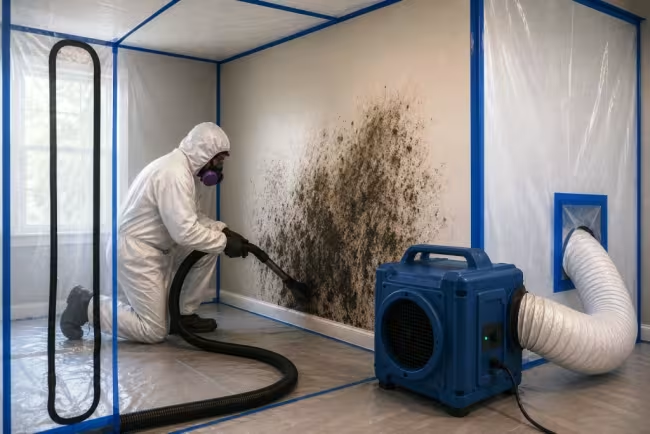
When these conditions occur, mold remediation in Richmond, VA typically begins with inspection, moisture source identification, containment, removal of affected materials when necessary, cleaning and treatment of impacted areas, and drying recommendations to help reduce recurrence.
Mold showing up in your Richmond home? We help identify, contain, and remediate mold safely and efficiently.
Crawl Space Mold From Humidity & Ground Moisture
Richmond’s humid climate and older home construction make crawl space mold a common issue for homeowners. Warm air, exposed soil, and limited ventilation allow moisture to build beneath the home, especially after rain or seasonal humidity spikes. Over time, this can lead to mold growth on joists, insulation, and subfloor structures.
Homeowners often notice musty odors indoors, damp or sagging vapor barriers, or soft flooring above the crawl space. In some cases, mold returns even after surface cleaning because the underlying moisture issue remains unresolved.
ServiceMaster of Richmond addresses these concerns with moisture inspection, containment, targeted mold cleanup or material removal when needed, surface cleaning, and drying recommendations designed to help reduce future growth in crawl space environments.
Mold After Flooding, Stormwater or Basement Water
Heavy rainfall, tropical storm remnants, and James River flooding can lead to water intrusion in Richmond basements and lower-level spaces. Homes in areas prone to drainage challenges or sump pump failures may experience lingering moisture even after visible water is removed.
In these situations, mold may develop on drywall, baseboards, carpet, or behind finished basement walls. Homeowners often notice persistent musty odors or recurring growth when areas were not fully dried after cleanup. Stored belongings may also be affected if exposed to prolonged damp conditions.
Our mold cleanup approach includes containment, removal of affected porous materials when necessary, cleaning nonporous surfaces, moisture checks, and drying guidance designed to reduce the chance of mold returning after water damage events.


Mold From Roof Leaks, Plumbing Leaks & Appliance Overflows
Not all mold growth is caused by major flooding—many Richmond homes develop mold from slow, hidden leaks inside walls, ceilings, and cabinetry. Roof leaks, leaking pipes, water heaters, dishwasher lines, and washing machine connections can introduce moisture that remains undetected for long periods.
Homeowners often discover mold under sinks, behind cabinets, or near appliances where humidity is trapped. Ceiling stains may appear after roof leaks, while bathrooms and laundry rooms may develop recurring odors or visible growth. In some cases, surface cleaning only provides temporary improvement if the source of moisture is not addressed.
ServiceMaster of Richmond identifies the moisture source, contains affected areas, removes damaged materials, when necessary, cleans and treats impacted surfaces, and provides guidance before repair and reconstruction work begins.
Why Choose ServiceMaster of Richmond for Mold Remediation
Local Richmond Mold Help
Containment to Limit Spread
Moisture Source Focus
Cleaning, Removal & Drying Guidance
Why Mold Growth Can’t Wait in Richmond Homes
Richmond’s combination of heavy rain, humid summers, crawl space moisture, roof leaks, hidden plumbing issues, and stormwater intrusion makes timely mold remediation especially important for homeowners.
Within 24 to 48 hours, damp materials such as drywall, insulation, carpet, wood framing, crawl space joists, and stored belongings can begin supporting mold growth after water exposure or sustained humidity. Even if moisture seems minor, these materials can absorb enough dampness to allow early-stage mold development.
After several days, mold can spread beyond visible areas. Growth may extend into wall cavities, cabinets, subflooring, attics, and other poorly ventilated spaces where moisture lingers unnoticed. At this stage, surface cleaning alone may not address the full extent of the issue.
When moisture remains unresolved, the problem can continue returning even after cleaning. Leaks, humidity, drainage issues, or crawl space moisture must be addressed to prevent repeated mold growth over time.
Professional remediation helps address both visible mold and the moisture conditions that allowed it to develop in the first place.
What to Do Immediately After Finding Mold in Your Richmond Home
-
1Step 1Stop the Moisture Source if Possible
If the mold is related to a plumbing leak, appliance issue, or fixture problem, shut off the water supply if safe to do so. Addressing active moisture is the first step before any cleanup begins.
-
2Step 2Avoid Disturbing the Mold
Do not scrub, sand, or remove affected materials on your own. Disturbing mold can release spores and spread contamination to other areas of the home.
-
3Step 3Keep the Area Isolated
Limit access to the affected space and avoid using fans that blow directly on visible mold. Take photos to document the area for professional assessment.
-
4Step 4Call ServiceMaster of Richmond
For mold remediation in Richmond homes affected by flooding, leaks, crawl space humidity, or basement moisture, professional support helps ensure the issue is properly assessed and addressed.