Providing Premium Residential Damage Restoration in Maple Grove
When disaster affects your home, every minute matters. ServiceMaster DSI – Maple Grove provides 24/7 residential disaster restoration across Maple Grove, Minnesota and surrounding Hennepin County communities, helping homeowners recover from water damage, fire and smoke damage, storm destruction, and mold-related issues with fast emergency response and full-service restoration.
From winter pipe bursts to summer storm damage and unexpected house fires, our team is trained to stabilize your home, reduce loss, and guide you through recovery with a clear, step-by-step restoration process.
Our team works diligently to ensure your recovery is prioritized. We help discard unsalvageable items, track lost property for insurance claims, and rebuild what is remaining.
What to Do When Residential Disaster Damage Hits Your Maple Grove Home
Residential disasters in Maple Grove often happen without warning and escalate quickly due to Minnesota’s extreme seasonal conditions and mixed housing stock. Homes near Elm Creek Park Reserve and surrounding lake communities frequently face a combination of water, fire, and structural damage risks throughout the year.
Common residential disaster scenarios include:
- Basement flooding after rapid snowmelt or spring storms
- Frozen pipe bursts during extended subzero cold snaps
- Kitchen fires caused by cooking accidents or electrical malfunctions
- Smoke and soot contamination spreading through HVAC systems
- Roof and siding damage after wind-driven storms or hail events
Fire damage is especially disruptive because it extends beyond burned areas—smoke residue, soot particles, and odor infiltration often affect the entire home, including HVAC ductwork, insulation, and soft furnishings.
Our response team immediately assesses structural safety, water exposure from firefighting efforts, smoke damage spread, and hidden moisture intrusion to prevent compounding damage.
Whether you live near Plymouth, Minnesota or within central Maple Grove neighborhoods, our goal is rapid stabilization and controlled restoration to prevent further loss.
From roof to foundation, we’ve got you covered—schedule service today.

Need Emergency Disaster Restoration in Maple Grove, MN?
When disaster strikes, homeowners are often dealing with multiple overlapping issues—water from firefighting efforts, smoke damage, structural instability, and contaminated materials all at once.
ServiceMaster DSI – Maple Grove provides immediate response for:
- Fire and smoke damage cleanup and odor removal
- Emergency water extraction from firefighting efforts
- Structural drying and moisture control
- Soot and residue removal from surfaces and contents
- Mold prevention after water intrusion
- Full insurance documentation and damage reporting
Fire damage in particular requires urgent attention because soot is acidic and continues damaging surfaces long after the fire is extinguished. Smoke particles also penetrate drywall, insulation, and ventilation systems, making professional remediation essential for safe re-occupancy.
Our team stabilizes the property first, then builds a phased restoration plan based on structural safety, contamination level, and salvageable materials.
Storm, Water, Fire, and Multi-Source Disaster Restoration
Maple Grove homes face a combination of seasonal disaster risks—especially during rapid weather shifts that bring storms, power outages, and fire hazards simultaneously.
Homes near Weaver Lake and surrounding wooded neighborhoods often experience storm-related power loss followed by sump pump failure or electrical system issues that can increase fire risk.
Our multi-hazard restoration approach includes:
- Emergency water extraction from storm or firefighting damage
- Fire and smoke residue removal from affected surfaces
- Air scrubbing and odor neutralization for smoke-damaged interiors
- Removal of saturated or fire-damaged materials when necessary
- Structural drying and stabilization of compromised areas
- Moisture monitoring to prevent post-fire mold growth
Fire damage often overlaps with water damage because firefighting efforts saturate walls, floors, and insulation. If not addressed immediately, this combination can lead to structural weakening and long-term indoor air quality issues.
Our goal is to isolate each type of damage—fire, water, and smoke—and treat them in a coordinated restoration plan.

Burst Pipes, Fire-Related Water Damage, and Winter Restoration
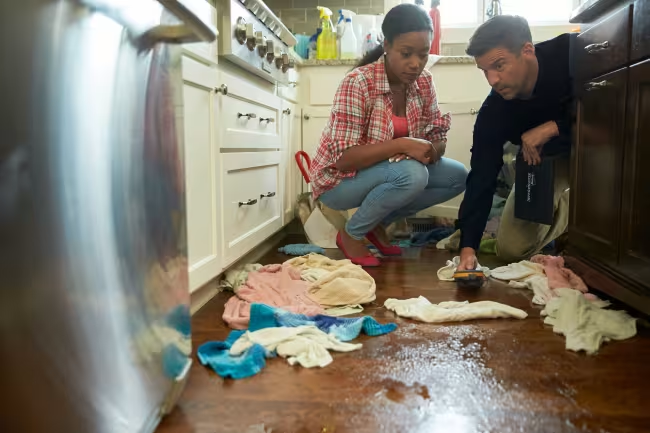
Winter conditions in Maple Grove, Minnesota increase both fire and water damage risks. Space heaters, electrical overloads, and frozen plumbing systems all contribute to residential disaster calls during cold months.
A single incident can involve multiple damage types:
- Burst pipes flooding lower levels during freezing temperatures
- Electrical fires caused by overloaded circuits or heating equipment
- Smoke spread through HVAC systems during winter home closures
- Water damage from fire suppression systems or emergency response
We respond by removing standing water, extracting smoke-damaged materials, and identifying hidden moisture trapped in insulation, wall cavities, and subflooring systems.
Homes near older residential zones or wooded lots are particularly vulnerable due to aging electrical systems and increased heating demand during prolonged cold periods.
Basement Flooding and Post-Fire Water Damage Restoration
Basement damage in Maple Grove often becomes more complex when fire and water events overlap. After a fire, firefighting water can accumulate in lower levels, creating ideal conditions for mold and structural weakening.
Properties near Elm Creek drainage systems and low-lying residential areas frequently experience:
- Fire suppression water accumulation in basements
- Saturated framing and insulation after fire response
- Smoke residue mixing with standing water contamination
- Hydrostatic pressure forcing groundwater intrusion during storms
Our restoration process includes full water removal, smoke residue cleaning, odor control treatments, and structural drying to ensure no hidden moisture remains.
This combined approach is critical in Minnesota homes, where freeze-thaw cycles can worsen water intrusion damage already affected by fire response efforts.
Why Choose ServiceMaster DSI – Maple Grove for Residential Disaster Restoration
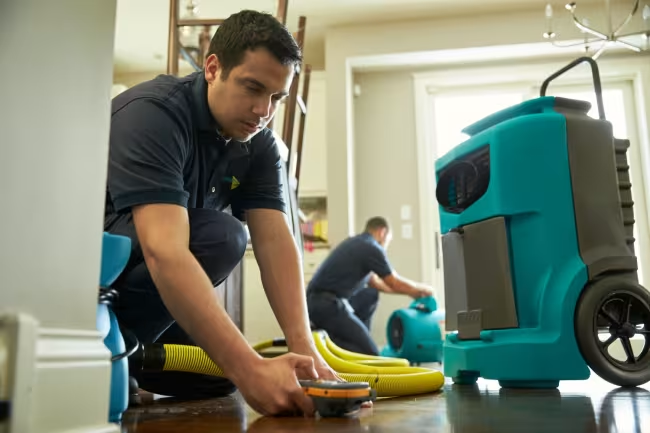
Residential disaster recovery requires coordinated treatment across multiple damage types. Our process is built to address fire, water, smoke, and mold risks in a single integrated response.
Advanced Damage Assessment
Emergency Water and Fire Mitigation
Structural Drying and Smoke Decontamination
Mold and Secondary Damage Prevention
Why You Shouldn’t Wait When Damage Hits Your Home
Minnesota’s climate accelerates both fire and water damage progression. Cold weather, humidity swings, and tightly sealed homes can intensify smoke and moisture retention.
Within 24 hours: water from firefighting or flooding begins saturating drywall, flooring, and insulation while smoke particles bond to surfaces and start discoloring materials.
Within 24–48 hours: mold risk increases significantly in damp areas, and smoke odor becomes more deeply embedded in fabrics, wood, and ventilation systems.
After one week: structural weakening begins, including warped framing, insulation breakdown, and persistent odor contamination that becomes significantly harder to remove.
Fast response is the difference between salvageable restoration and full structural replacement.
What to Do Immediately After Residential Disaster Damage
When fire, water, or storm damage occurs, safety and quick action are critical.
-
1Step 1Ensure Safety and Evacuate if Needed
If fire or structural instability is present, evacuate immediately and do not re-enter until authorities confirm it is safe.
-
2Step 2Avoid Electrical and Water Hazards
Do not touch electrical systems if water is present, and avoid any areas with visible structural fire damage or weakened flooring.
-
3Step 3Document Visible Damage if Safe
Take photos and videos only if it is safe to do so. Documentation helps with insurance claims and restoration planning.
-
4Step 4Call Emergency Restoration Professionals
Once safe, contact ServiceMaster DSI – Maple Grove immediately. Rapid response helps limit fire, water, and smoke damage progression and improves recovery outcomes.
Let us handle the damage so you can bring your life back into focus.