Serving Hennepin County Homes With Fast, Responsive Fire Restoration
Is your home seemingly in ruins after an unexpected fire? You likely can already tell, but once the fire is out, there’s much more damage to repair than what the flames destroyed.
When a fire damages your Maple Grove home, the flames are only the beginning. Smoke, soot, firefighting water, and lingering odors can continue affecting your property and belongings after the fire is extinguished. ServiceMaster DSI - Maple Grove provides 24/7 residential fire damage restoration to help stabilize your home, clean affected materials, restore salvageable belongings, and begin the recovery process as quickly as possible.
ServiceMaster DSI - Maple Grove is available 24/7 to begin the cleanup and restoration process.
How Different Fire Types Affect Maple Grove Homes
A house fire can affect far more than the rooms where the flames were concentrated. Smoke can travel through HVAC systems and doorways, soot can settle on surfaces throughout the home, and water used to extinguish the fire can create a second source of property damage. ServiceMaster DSI - Maple Grove provides a coordinated response for these overlapping problems, beginning with an assessment of the property and continuing through cleanup, contents restoration, odor removal, and structural restoration.
Maple Grove homeowners also face a distinct mix of seasonal conditions that can complicate fire recovery. Severe thunderstorms can bring lightning, damaging winds, hail, and tornadoes, while Minnesota winters can bring extreme cold and dangerous winter storms. If a fire occurs during severe weather or cold weather, exposed roofing, broken windows, water intrusion, or unsafe portions of the structure may require immediate attention alongside the fire damage itself.
Whether the loss affects a newer home near Arbor Lakes, a property closer to Elm Creek Park Reserve, or a neighborhood elsewhere in Maple Grove, the restoration process should begin with protecting the structure and determining what can still be saved. ServiceMaster DSI uses specialized equipment and established restoration procedures to address soot and smoke residue, odors, damaged materials, and personal belongings.
Common fire types include:
- Protein Fires: Food from the oven or stove burn and create smoky residues on contents and surfaces.
- Complex Fires: Natural and synthetic items have burned and left greasy yellow residue on contents, necessitating emergency corrosion mitigation.
- Natural Fires: Smoke from burning trees, shrubs, or bushes entering your home will leave smoke residue and smell.
- Furnace Malfunction Fires: Oil-fired furnaces malfunctioning leads to smoke spreading throughout your property.
Find out what your restoration will cost—request a quote now.
What Does Residential Fire Damage Restoration Include?
Fire damage restoration involves much more than removing charred materials. The process should address the full range of damage created by flames, smoke, soot, heat, and firefighting efforts.
Fire Damage Inspection & Assessment
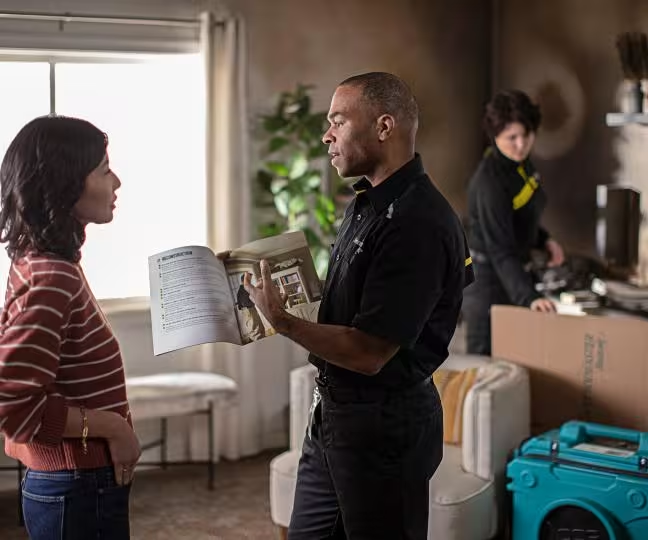
The first step is determining how extensively the fire affected the property. Technicians inspect visible fire damage while also looking for smoke and soot contamination in rooms that may appear relatively untouched.
The assessment should identify damaged structural materials, affected contents, smoke migration, odor sources, and areas impacted by water from firefighting. This gives the restoration team a clearer understanding of what needs to be cleaned, removed, protected, or restored.
Soot & Smoke Cleanup
Smoke and soot can settle on walls, ceilings, flooring, furniture, appliances, and personal belongings. ServiceMaster DSI uses specialized cleaning techniques and equipment to remove smoke residues from affected surfaces and contents.
This step is particularly important because soot can cause additional staining, corrosion, and deterioration when it remains on materials. Smoke odors can also persist long after visible residue has been removed.
Smoke Odor Removal
A home can continue smelling like smoke even after obvious soot has been cleaned. Smoke particles can penetrate porous materials, furnishings, fabrics, and other areas of the structure.
ServiceMaster DSI uses odor-neutralization techniques designed to address lingering smoke odors rather than simply masking them with fragrance.
Structural Restoration
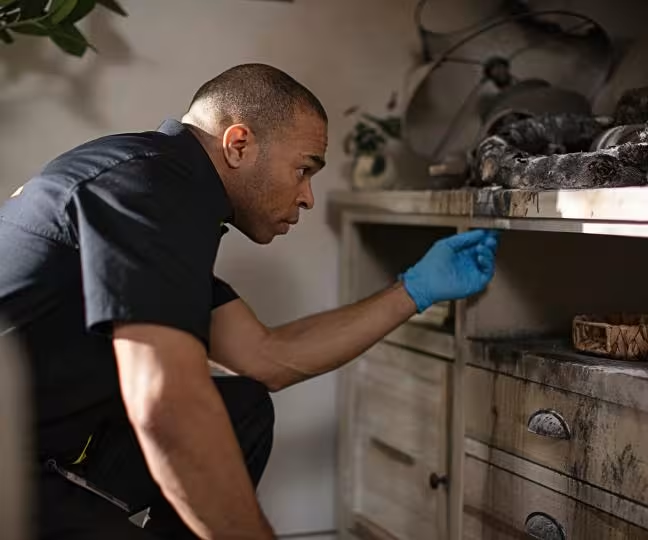
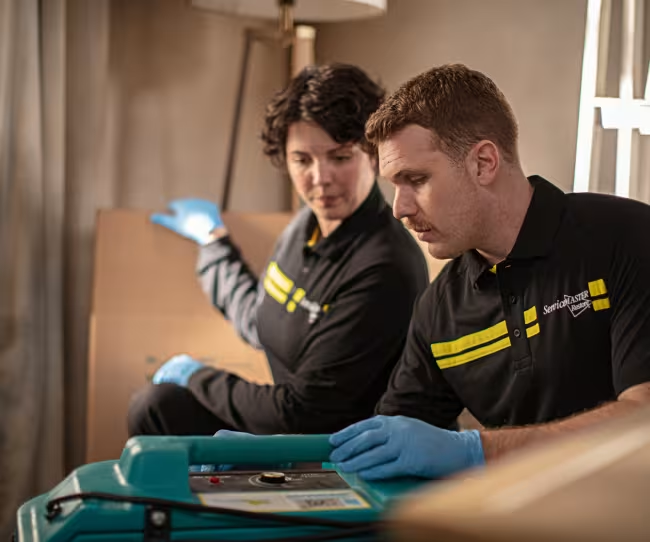
Some fire-damaged materials may need to be removed, repaired, or rebuilt. ServiceMaster DSI can address structural damage as part of the broader restoration process, helping move the property from emergency cleanup toward restoration.
The goal is not simply to make the home look cleaner. It is to address the damage thoroughly and work toward returning the property to a safe, functional condition.
How Can Smoke, Soot, and Firefighting Water Affect Your Home?
Fire damage often creates several problems simultaneously. Understanding those risks helps Maple Grove homeowners recognize why professional restoration should begin as soon as the property is safe to enter.
Smoke can spread beyond the fire's immediate area. Smoke travels through openings, doorways, ventilation systems, and other pathways, allowing residue and odor to affect rooms that were never touched by flames. ServiceMaster DSI recommends comprehensive inspection and containment to prevent soot and smoke particles from spreading further.
Soot can continue damaging surfaces after the fire. Smoke residue can stain walls and ceilings, etch glass, corrode metal, and affect household materials if it is left untreated. Prompt cleaning can give salvageable surfaces and belongings a better chance of recovery.
Firefighting water can create secondary damage. Water and moisture introduced during firefighting can affect drywall, flooring, insulation, cabinetry, and personal belongings. The restoration process should therefore consider both the fire damage and any resulting water damage.
Odors can remain after visible cleanup. Smoke particles can become embedded in porous materials and furnishings, meaning ordinary household cleaning may not eliminate the smell completely. Professional deodorization can help address odor sources throughout affected areas.
For Maple Grove homes, these issues can become even more disruptive when seasonal weather limits ventilation or leaves portions of the structure exposed to freezing temperatures, precipitation, or severe storms.
How Does ServiceMaster DSI Restore Fire-Damaged Homes in Maple Grove?
ServiceMaster DSI - Maple Grove approaches fire restoration as a coordinated process rather than a single cleanup task. The company's residential fire restoration services include inspection, smoke and soot removal, odor neutralization, contents restoration, and structural restoration.
Why Choose Professional Fire Damage Restoration in Maple Grove?
Fire damage is rarely limited to what you can see. A blackened wall may be obvious, but smoke residue can exist in other rooms, odors can remain in porous materials, and firefighting water can create additional problems.
ServiceMaster DSI - Maple Grove is locally operated and backed by the broader ServiceMaster network. Its Maple Grove operation provides 24/7 emergency restoration and handles both residential and commercial property losses.
Advanced Smoke & Soot Removal
Contents Cleaning & Restoration
Odor Neutralization
Insurance Claim Support
Why Should You Act Quickly After a House Fire?
Fire damage does not stop when the flames are extinguished. Smoke and soot can continue affecting surfaces, while moisture from firefighting efforts can create additional deterioration if affected materials are not addressed.
Within hours, smoke and soot can spread. Air movement throughout the home can carry smoke particles into rooms farther from the original fire. Soot may settle onto furniture, walls, ceilings, and household belongings.
Within the first day, residues can become more difficult to clean. Smoke and soot can stain or corrode certain surfaces, including metals and finishes. Prompt professional cleaning can improve the chance of restoring affected materials.
Over the following days, moisture can create another restoration problem. Wet drywall, flooring, insulation, and other materials can deteriorate when they remain damp. In Minnesota's variable climate, maintaining a stable indoor environment is particularly important during both humid summer weather and cold winter conditions.
Lingering odors can become harder to eliminate. Smoke can penetrate porous materials and remain after visible residue has been removed. Professional odor treatment can address affected materials and spaces more comprehensively.
The sooner the property is assessed and stabilized, the more opportunities there may be to protect the structure and salvage belongings.
What Should You Do After a Fire in Your Maple Grove Home?
The hours immediately following a fire can be confusing. Prioritize safety first, then document the loss and contact a restoration professional.
-
1Step 1Wait Until the Property Is Declared Safe
Do not re-enter the home until the appropriate authorities have confirmed that it is safe. Fire-damaged structures can contain hidden hazards, unstable materials, electrical risks, and other dangers.
-
2Step 2Contact Your Insurance Company
Notify your insurance carrier about the loss and follow its instructions regarding documentation, temporary housing, and property protection. Keep records of conversations, expenses, and damage-related information.
-
3Step 3Document the Damage
Once it is safe to do so, photograph and video affected rooms, surfaces, appliances, furniture, and personal belongings. Avoid throwing away potentially salvageable items before they have been documented and assessed.
-
4Step 4Avoid DIY Smoke Cleanup
Household cleaning products may not be appropriate for every type of soot or smoke residue. Attempting to clean aggressively can also spread residue or damage surfaces that could otherwise be restored.
-
5Step 5Call ServiceMaster DSI - Maple Grove
Once you and your family are safe, contact ServiceMaster DSI - Maple Grove for emergency fire damage restoration. The team is available 24/7 to assess the property, address smoke and soot damage, help restore contents, and begin the recovery process.
What Can Be Saved From Smoke Damage?
These are the types of surfaces that can be professionally restored after a fire:
- Glass - Glass is relatively easy to return back to normal after a fire, given there was no cracking or chipping. You may be left with some etching, so it will be up to you to decide what condition is satisfactory to keep.
- Wooden Floors - With some refinishing, hardwood floors are able to be restored, as long as there was no serious charring or burn marks.
- Metal - Metal is pretty good at withstanding fires, usually left intact under a layer or soot.
There are some things you typically do not want to save after a fire due to contamination or irreparable damage, including:
- Food
- Medicines, cosmetics, or hygiene products
- Mattresses and furniture
Other items may be looked at on a case-by-case basis.
Trust the Restoration Pros at ServiceMaster to Help You Rebuild
Once the flames are doused, it doesn’t mean you should go back in your home anytime soon. The residue left behind from a house fire can be hazardous to your health if not taken care of quickly and correctly.
By attempting to clean your home on your own without the necessary training, you could even cause more damage to the structure than was already there in the first place. That’s because oils from your hands can permeate upholstery, walls, woodwork, and other surfaces in the aftermath. Washing the walls incorrectly can compound soot residue, and electrical accidents may also occur due to wet surfaces or faulty wiring.
Only restoration professionals like ours at ServiceMaster DSI - Maple Grove should tackle this kind of project. Our team at ServiceMaster DSI - Maple Grove has the necessary training and tools to work on your fire-damaged home and restore it to pre-disaster conditions. Our industry-leading techniques and training developed over the more than 65 years our nationwide franchise has been in business guide us.
Schedule your home assessment and get a restoration plan today.