Need Water Removal or Flood Cleanup in Suffolk, VA?
Suffolk homeowners can face water damage from storm surge and hurricane flooding as the Nansemond River pushes water into Downtown Suffolk and North Suffolk neighborhoods. Flash flooding can occur when roadside ditches and storm drain overflow during intense rainfall around Chuckatuck, Driver, and Holland. And Suffolk's proximity to the Great Dismal Swamp contributes to a naturally high-water table that can leave crawl spaces and foundations vulnerable to moisture even outside major storms.
ServiceMaster Premier Restoration Services – Suffolk uses advanced moisture detection, professional extraction equipment, and documented drying procedures to address both visible and hidden water. Our team provides water damage restoration throughout Suffolk and the surrounding Hampton Roads area.
When water enters your Suffolk home, fast action can make a major difference. Call ServiceMaster Premier Restoration Services – Suffolk for water damage restoration services
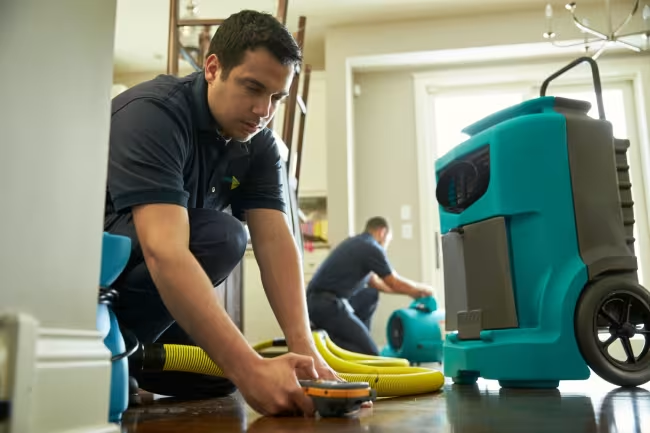
Storm Surge & Hurricane Flood Water Extraction
During hurricane season and tropical storms, rising Nansemond River water can affect low-lying Suffolk properties and introduce large amounts of contaminated floodwater into homes. Flood damage restoration needs to begin quickly to limit how far water travels through flooring, walls, insulation, and other materials.
ServiceMaster Premier Restoration Services – Suffolk uses truck-mounted extraction units to remove floodwater quickly, followed by commercial dehumidification and drying of affected surfaces. Because storm and river floodwater can carry contaminants, antimicrobial treatment may be included when appropriate. We also document the restoration process to help homeowners organize information for their insurance claims.
Flash Flooding & Storm Drain Backup Cleanup
Suffolk's combination of rural roads, wooded properties, and expanding subdivisions can create drainage challenges when intense rain overwhelms the ground and drainage systems. Areas around Chuckatuck Creek and low-lying portions of Holland can be particularly vulnerable during heavy summer downpours and tropical weather.
Water may enter through crawl space vents, garages, exterior doors, and other low points before spreading into flooring and walls. Our water damage cleanup process combines rapid extraction, structural drying, and moisture mapping to identify water that has migrated beyond what you can see. Even a brief flash flood can leave behind significant interior damage if moisture remains trapped.
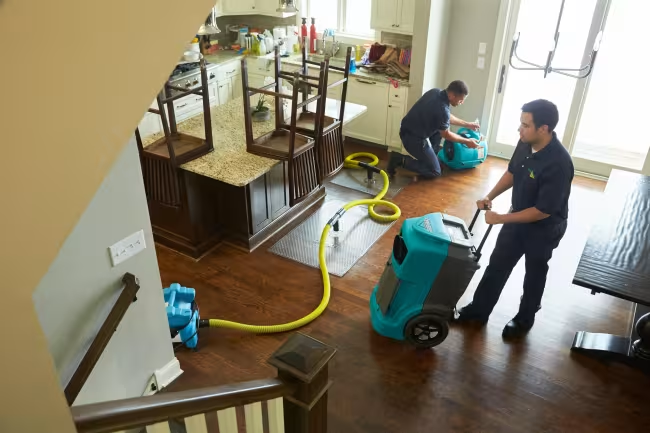

Groundwater & Crawl Space Water Intrusion
Suffolk's naturally high-water table, influenced by its proximity to the Great Dismal Swamp, can leave crawl spaces and foundations vulnerable to recurring moisture. Heavy rainfall, seasonal groundwater rises, and saturated soil can push water into areas that are difficult for homeowners to access or dry themselves.
Our team can extract standing water, dry the affected space, and evaluate materials for potential salvage. Cleaning and disinfecting may also be necessary because groundwater intrusion can introduce contaminants into the crawl space or other affected areas. Prompt emergency water damage restoration can help limit the spread of moisture and reduce the potential for additional damage.
Why Choose ServiceMaster Premier Restoration Services for Water Damage Cleanup

Advanced Moisture Detection

Industrial Water Extraction

Structural Drying & Monitoring
Mold Prevention Built In
Why Water Damage Can't Wait in Suffolk Homes
Within 24 hours: materials start breaking down. Drywall can swell, hardwood floors can begin to cup, and metal fasteners may start corroding. Water can also migrate farther into flooring, walls, and other porous materials during this early stage.
At 24 to 48 hours: mold becomes a real risk. Moisture trapped in damp materials can create conditions that support mold growth. This is particularly important for properties exposed to recurring moisture near the Nansemond River, Great Dismal Swamp, or other flood-prone areas.
After a week: damage turns structural. Framing can warp, insulation can lose R-value, and contaminants from floodwater or groundwater intrusion can move deeper into affected materials.
The sooner water is extracted and affected areas are professionally dried, the better the opportunity to salvage materials rather than replace them entirely.
What to Do Immediately After Water Damage in Your Suffolk Home
-
1Step 1Shut Off the Water Source
If the damage comes from a burst pipe, appliance, or plumbing fixture, turn off the main water valve if you can do so safely. Stopping the source can prevent additional water from entering the home.
-
2Step 2Turn Off Electricity in Affected Areas
If it is safe to reach the electrical panel without entering standing water, shut off power to affected areas at the breaker. Never step into flooded areas to access electrical controls; wait for power to be confirmed safe.
-
3Step 3Document Everything for Insurance
Take photos and videos of affected rooms, flooring, walls, belongings, and the apparent water source before moving or discarding anything. Keep documentation of the damage and restoration process for your insurance claim.
-
4Step 4Call ServiceMaster Premier Restoration Services – Suffolk
Once everyone is safe and the damage has been documented, call our team for water damage restoration services. ServiceMaster Premier Restoration Services – Suffolk provides 24/7 emergency response across the Suffolk area.