Emergency Storm Response, Home Stabilization & Complete Restoration
Damaging winds, hail, heavy rain, and fallen debris can hit a Dallas home hard. ServiceMaster Restore of Southwest Dallas & Duncanville offers storm damage restoration services built around emergency stabilization, cleanup, mitigation, and restoration planning, and help is available 24/7. We work with homeowners in Dallas and surrounding Dallas County communities to understand the damage, protect affected areas, and figure out the next steps.
Strong thunderstorms can loosen shingles, damage siding and fencing, and bring down tree limbs. Hail may leave roof or exterior impacts that aren’t obvious at first, and heavy rain can find its way in through damaged roofing or other openings and affect interior materials.
Schedule a Storm Damage Assessment
Storm Damage Help for Dallas Homeowners
Roof Tarping and Emergency Storm Damage Repair
Some storm-damaged homes need attention before full restoration can start. Emergency storm damage repair can include roof tarping, temporary protection for exposed areas, and stabilization of affected parts of the house, helping keep rain and weather out while next steps are planned. If high winds, hail, or fallen limbs have compromised your exterior, an assessment can identify vulnerable spots and the right temporary protection, which may reduce the risk of secondary damage.
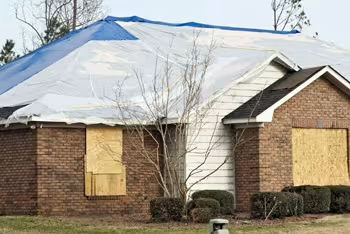
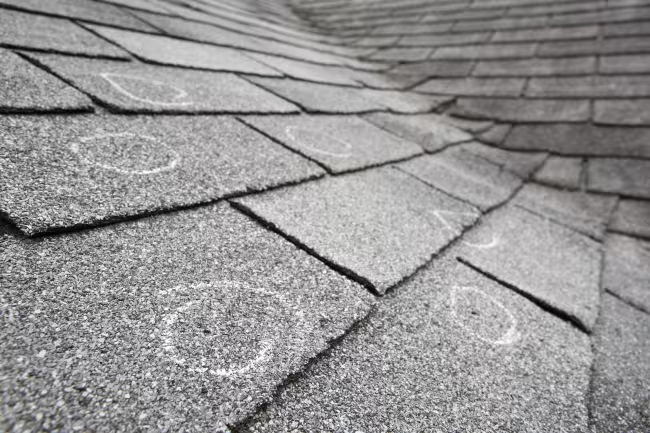
Fixing Wind and Hail Damage to Roofs, Siding, and Windows
North Texas thunderstorms can damage roofs, siding, gutters, windows, and other exterior features. Wind damage repair and hail damage repair start with evaluating the affected areas and the extent of visible damage. Some impacts are hard to spot from the ground, so don’t climb onto a damaged roof to check it yourself. A thorough evaluation sets restoration priorities and flags areas that may need temporary protection, and documenting the damage gives you useful information for conversations with your insurance company.
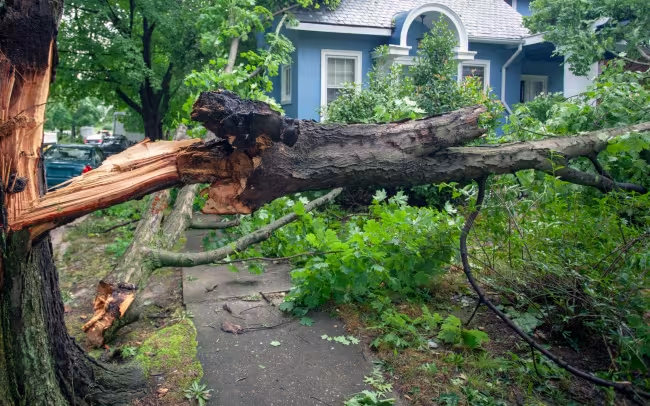
Clearing Branches, Debris, and Damaged Materials
Fallen branches, scattered debris, and damaged building materials can make a property hard or unsafe to move around after a storm. Clearing them gets the home ready for the restoration work ahead. Debris removal services and storm damage cleanup are tailored to the type and extent of damage, the condition of the structure, and any hazards still present.
Why Dallas Homeowners Choose ServiceMaster Restore of Southwest Dallas & Duncanville
Looking at the Whole House, Not One Repair
Knowing How Hail and Straight-Line Winds Differ
The Risks of Leaving Storm Damage Alone
Unstabilized areas and exposed materials give storm damage room to spread. Acting promptly, with help available 24/7, limits how long your home stays open to rain and wind.

The Next Storm Can Make It Worse

Water Reaches Ceilings, Walls, and Belongings
Your First Steps After a Storm Damages Your Home
-
1Step 1Get everyone to safety
Keep your household away from damaged structures, exposed wiring, broken glass, and unstable debris, and contact emergency services if there’s an immediate threat.
-
2Step 2Take photos without putting yourself at risk
Capture roof impacts, exterior damage, fallen branches, and affected rooms for your insurance claim, staying out of hazardous areas.
-
3Step 3Protect what you can, safely
Move belongings away from affected areas when it’s safe, but don’t climb onto the roof or attempt hazardous temporary repairs.
-
4Step 4Schedule a storm damage assessment
Contact ServiceMaster Restore of Southwest Dallas & Duncanville to evaluate stabilization needs, coordinate cleanup, and plan restoration.
Storm Damage Restoration for Homes Across Dallas County
You don’t have to work through storm recovery alone. Whether your home needs emergency storm damage repair, roof tarping, or debris removal, ServiceMaster Restore of Southwest Dallas & Duncanville helps homeowners from established Dallas neighborhoods to newer developments throughout Dallas County address exposed areas before more weather causes further problems. Contact us to schedule a storm damage assessment.