

Dealing With a Persistent Odor in Your Property?
Persistent odors in Cumberland homes and businesses often trace back to moisture, mold, flooding, or smoke that has settled into the building. Seasonal rain and occasional flooding can leave behind musty smells in carpets, drywall, and furnishings, while smoke can become trapped in the plaster, wood, and other materials found in older properties.
ServiceMaster Restore of Allegany County provides odor removal services property owners can rely on, addressing the source instead of simply masking the smell. Our team uses professional deodorization methods to treat affected areas and restore a property to a cleaner, fresher condition, backed by more than 65 years of ServiceMaster restoration experience.
Dealing with a persistent odor in your property? Call ServiceMaster Restore of Allegany County for a professional assessment.
Smoke and Fire-Related Odor Removal
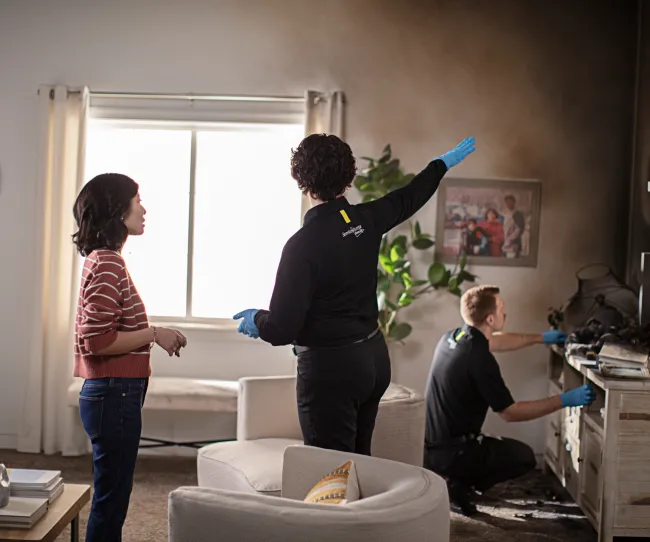
Smoke odor can work deep into drywall, insulation, upholstery, and other porous materials after a fire. Cleaning visible soot doesn't necessarily remove the smell, especially when smoke has traveled through ductwork or settled into materials throughout the property. Our team uses professional deodorization methods, including thermal fogging, ozone treatment, and HEPA air scrubbing, to treat persistent smoke odors rather than simply covering them with fragrance. We address affected surfaces throughout the property, including furnishings and ductwork when appropriate, so smoke odor is treated at its source instead of returning after the visible cleanup is finished.
Moisture and Mold-Related Odor Removal
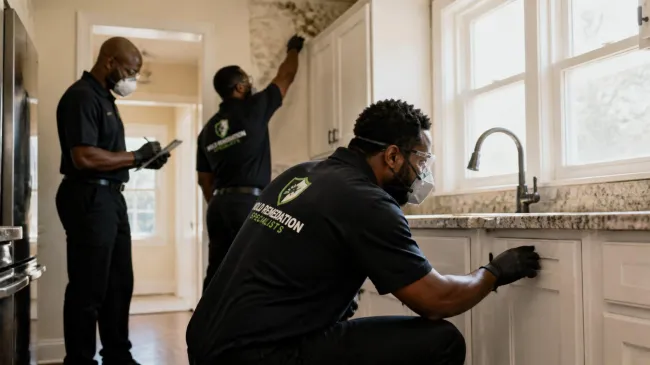
A persistent musty smell can be an early indication of hidden moisture or mold, particularly in basements, crawl spaces, and behind walls. Cumberland's older homes and buildings can contain materials that hold moisture and odors long after the original source is no longer obvious. Our team traces the odor back to its source, addresses the underlying moisture problem, and deodorizes the affected area rather than masking the smell. This source-first approach helps prevent the odor from returning when normal humidity levels return throughout the property. If the smell points to mold or hidden moisture, identifying that problem is part of getting the odor under control.
Storm and Flood-Related Odor Removal
Standing water from seasonal flooding can leave a distinct odor behind when moisture settles into carpet, drywall, furniture, and other porous materials. Simply removing the visible water isn't enough if moisture remains trapped inside the structure. Our deodorization process combines structural drying with targeted odor treatment, addressing both the moisture and the smell it left behind. We identify affected materials, remove or dry them as appropriate, and treat lingering odors throughout the property. The goal isn't just to make the space look restored after flood cleanup; it's to remove the conditions that allowed the odor to develop in the first place.

The Approach to Odor Removal
Persistent odors require more than a stronger air freshener. The source has to be identified and treated for the result to last.

Source-First Approach

Advanced Deodorization Equipment
Experience With Historic Buildings

Thorough, Documented Results
What Happens When an Odor Goes Untreated
A lingering odor in a home or business rarely resolves on its own. In many cases, the smell points to a moisture, mold, flood, or smoke problem that remains beneath the surface.
Within days: the odor signals an active problem. Musty or smoky smells can indicate that moisture, mold, or fire residue remains present. The longer the source stays untreated, the more opportunity it has to affect additional materials.
Within weeks: the smell embeds deeper into materials. Odors can penetrate carpet, drywall, furniture, upholstery, and other porous surfaces over time, making complete odor removal more involved.
Within months: it affects daily life and the property. A persistent odor can make a home uncomfortable and make a business less inviting to customers and employees. What started as an unpleasant smell can become a continuing property concern.
The sooner the source is identified and treated, the easier it is to address the odor completely.
Four Moves When You Notice a Persistent Odor
-
1Step 1Identify the likely source
Note whether the smell appeared after a fire, leak, flood, or other event. If there isn't an obvious cause, document where the odor seems strongest.
-
2Step 2Avoid masking the smell yourself
Air fresheners and store-bought odor sprays can temporarily cover the problem without addressing its source, making it harder to determine what is causing the odor.
-
3Step 3Ventilate the area if possible
Opening windows or using fans may improve the air temporarily, but ventilation won't resolve an odor coming from hidden moisture, mold, or contaminated materials.
-
4Step 4Call ServiceMaster Restore of Allegany County
Our team can assess persistent odors, identify the likely source, and recommend the appropriate professional treatment for your property.
