Need Professional Drying & Dehumidification in Milpitas, CA?
The visible water may be gone, but the moisture underneath it could be another story. In Milpitas, water damage can come from more directions than many people expect. Atmospheric river storms can soak the South Bay for days, pushing water through aging roofs and window seals and raising Berryessa Creek, Coyote Creek, and the channels that run through town. Many homes sit on slab foundations over clay-rich valley soils that swell and shrink with the seasons, stressing the water lines beneath the floor. Inside, pipe leaks, appliance overflows, and water heater failures can happen any day of the year. Milpitas’s mix of condos, townhomes, and stacked multi-level homes adds another layer. Kitchens, bathrooms, and laundry areas often share walls, floors, and ceilings with neighboring units, so water can travel well beyond the room where it started. Energy-efficient construction keeps homes comfortable but can also trap moisture inside walls once water gets in. Our drying and dehumidification process combines moisture detection, humidity control, and structural drying to find affected areas and dry them properly. Instead of guessing based on what looks dry, we use moisture readings to guide every step. We’re proud to help homeowners across Milpitas and the South Bay get their homes fully dry.
Still Finding Damp Spots in Your Milpitas Home? We’ll Track Down Moisture. Get Help Now.
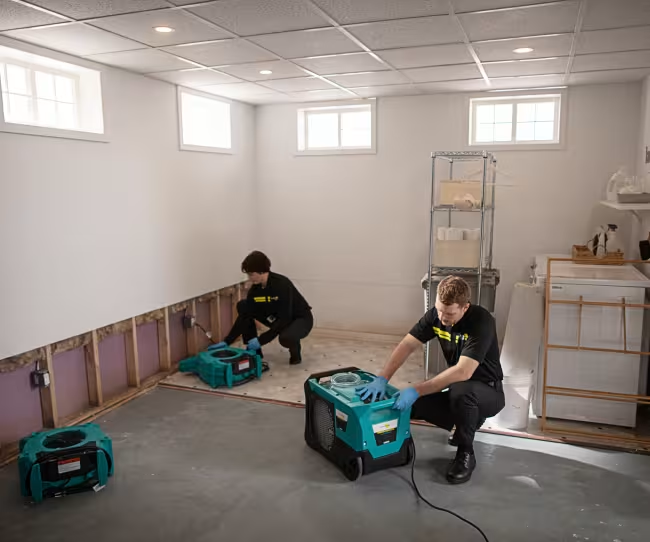
Structural Drying for Milpitas Homes & Condos
Water doesn’t stay in one spot, and in Milpitas condos and townhomes it has plenty of paths to follow. A leak in an upstairs bathroom or laundry closet can seep through the floor assembly into the ceiling below. Water can run along shared walls into the unit next door or collect in utility chases between floors. Beneath it all, subflooring, framing, insulation, and drywall soak up moisture while surfaces may look dry within a day. In multi-level and attached homes, a single leak can affect several rooms and sometimes several households at once, often before anyone realizes how far the water has spread.
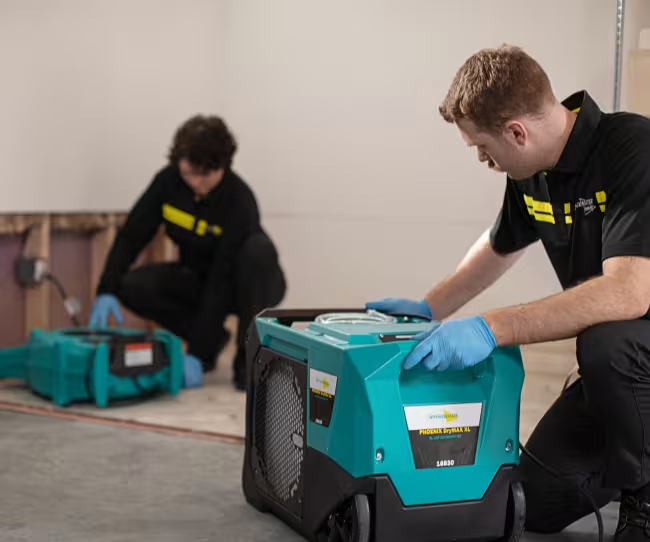
Industrial-Grade Dehumidification Systems
Once water soaks into a home, the materials keep releasing moisture into the air for days. In Milpitas, that moisture often has nowhere to go. Modern, tightly sealed homes and condos limit airflow, and during the rainy season cool, damp Bay Area air and foggy mornings slow natural evaporation even further. Slab floors can hold moisture beneath flooring, while drywall and cabinets absorb humidity from the air around them. Without enough drying, that lingering dampness can cause swelling, warped flooring, peeling paint, musty odors, and conditions where mold can begin to grow within a couple of days.

Moisture Mapping and Hidden Water Detection
The leak happened in one room, but that doesn’t mean the water stayed there. In Milpitas, some of the hardest-to-find water damage starts beneath the floor. Valley soils that swell during the rainy season and shrink through dry summers can stress pipes under slab foundations until a joint gives way. Water can then spread beneath flooring for weeks unnoticed. Roof leaks during long storms can run inside walls and above ceilings before leaving a stain. Often the first clues are a warm spot on the floor, the sound of running water, a spike in the water bill, or flooring that starts to lift.
Why Milpitas Homeowners Choose Our Drying & Dehumidification Services

Look Past Puddles
Understand Connected Homes
Measure the Progress
Manage the Humidity
Proper Drying Matters in Milpitas Homes
Water keeps moving after the leak stops. Responding early helps limit how deeply moisture settles into building materials and how much of your property becomes involved in the restoration.
Within Hours: Moisture begins soaking into porous materials such as drywall, flooring, insulation, and wood. Water may also migrate beneath finished surfaces, making the affected area larger than the original puddle suggests.
Within 24–48 Hours: Damp materials continue releasing moisture into the surrounding air. Elevated humidity and hidden saturation may create favorable conditions for microbial growth while extending the amount of drying the property requires.
Within Days: Materials exposed to prolonged moisture could begin swelling, warping, staining, or developing odors. Areas that initially required drying may require additional restoration if moisture remains inside structural materials.
Steps After Water Damage in Milpitas
-
1Step 1Address Standing Water
If conditions are safe, stop the source of incoming water when possible and stay clear of heavily affected areas. Significant accumulation may require professional emergency water removal before structural drying begins.
-
2Step 2Be Smart About Airflow
Fresh air might seem like the obvious answer, but outdoor humidity and water conditions matter. Avoid directing household fans toward contaminated water or moving moisture into previously unaffected areas.
-
3Step 3Give Moisture Somewhere to Go
Avoid covering damp flooring, sealing wet materials behind finishes, or starting cosmetic repairs too soon. Materials should reach appropriate drying goals before damaged areas are closed or refinished.
-
4Step 4Bring in the Pros
Contact ServiceMaster Restoration Services - South Bay for professional moisture evaluation and drying support. We identify affected areas, establish drying conditions, and monitor moisture levels as your property progresses.