Need Commercial Mold Removal in Santa Rosa, CA?
Commercial mold problems in Santa Rosa rarely start somewhere obvious, and the region’s climate and industries give moisture plenty of hiding places. Long, dry summers bake flat roofs on offices, retail centers, and warehouses until membranes crack and sealants pull loose. Then atmospheric rivers arrive and test every weak spot at once. A roof leak in a downtown office or a historic stone building in Railroad Square can leave moisture above ceiling tiles for weeks. Retail destinations like Montgomery Village and Santa Rosa Plaza see storm runoff pushed into entryways and back-of-house storage. Sonoma County’s wine industry adds its own challenges. Barrel rooms and cellars are kept intentionally cool and humid, while tasting rooms, hotels, and restaurants serving the region’s visitors deal with busy kitchens, laundry, and guest bathrooms. Warehouses and production facilities near Airport Boulevard face roof failures and condensation across large interior spaces. Once moisture settles into enclosed materials, the affected area often extends well beyond what you can see. Our team provides commercial mold remediation in Santa Rosa, CA, office mold cleaning services, commercial water damage and mold restoration, and mold removal for property managers throughout Sonoma County. We’re proud to help local businesses keep their spaces healthy for employees, tenants, and guests.
Mold Making Business Complicated in Santa Rosa? Let’s Get Remediation Underway. Call Now
Commercial Mold Remediation for Office Buildings
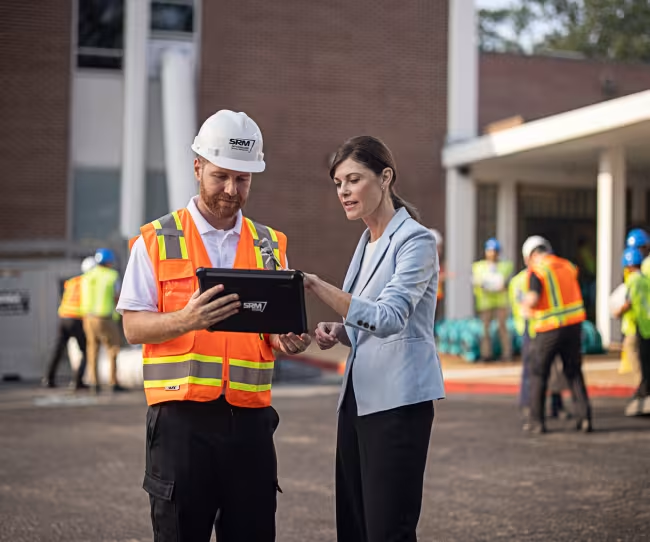
Mold in an office rarely starts where it’s discovered. In downtown Santa Rosa and the surrounding business districts, winter storms can push water through aging roofs and failed window seals and into ceiling spaces and wall cavities. Slow plumbing leaks in restrooms and break rooms can soak drywall and carpet for weeks. Cool, foggy mornings create condensation along exterior walls in older buildings. In multi-tenant offices, moisture travels through shared walls and ceiling spaces into neighboring suites. By the time stained tiles, musty conference rooms, or employee complaints appear, mold may already affect several areas of the building.
Winery, Hospitality, and Tasting Room Mold
Sonoma County’s wine country brings mold risks that most commercial buildings never face. Barrel rooms, caves, and cellars are kept cool and humid to protect the wine, and those same conditions let mold grow on walls, ceilings, racks, and stored materials. Tasting rooms, hotels, and restaurants serving Santa Rosa’s visitors manage busy kitchens, dishwashing areas, laundry rooms, and guest bathrooms that stay damp throughout the day. A leak during the rainy season or a slow plumbing failure can let mold spread into guest rooms, storage areas, and back-of-house spaces. During peak travel and harvest seasons, a musty odor or visible growth can quickly affect guest experience and reviews.

Industrial and Warehouse Mold Removal
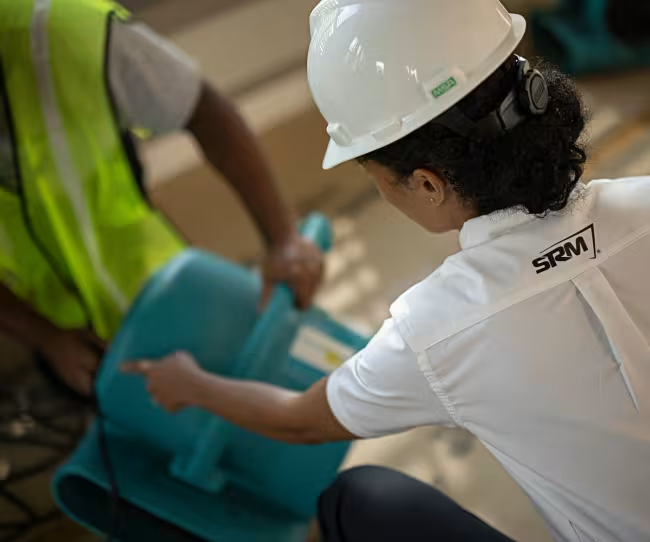
Warehouses and production facilities near Airport Boulevard and across Sonoma County face mold on a much larger scale. Wide, flat roofs weakened by summer heat can develop leaks that drip onto racking, pallets, and stored product when the first winter storms arrive. Metal roofs and walls collect condensation as temperatures swing between warm afternoons and cold, foggy nights. Loading docks, wash-down areas, and low-airflow storage zones stay damp for long stretches. Cardboard, wood pallets, and packaging give mold an easy food source. In large, open buildings, growth that starts in one area can spread across the facility, threatening inventory, equipment, and daily operations.
Why Choose Our Commercial Mold Removal Team in Santa Rosa?
Containment With Purpose
Ready for Specialized Spaces
Find the Moisture
Business Comes First
Mold Moves Fast in Commercial Properties
A little moisture can become a much larger project when it settles into enclosed commercial spaces. Acting early helps limit how far the affected area extends and simplifies the work required to address it.
Within 24 Hours: Moisture begins soaking into porous materials such as drywall and insulation. Water may also move above ceilings, behind walls, or toward HVAC components before the full extent is visible.
Within 24–48 Hours: Damp materials create conditions that support microbial growth. Normal foot traffic or air circulation may carry particles beyond the original area, making thoughtful containment increasingly important.
Within 1 Week: Continued moisture may allow growth to become established across additional materials and spaces. A larger affected area often means more involved containment, removal, cleaning, and coordination around business operations.
First Steps After Finding Commercial Mold
-
1Step 1Limit Access
Close off the affected area to employees, tenants, customers, and unnecessary foot traffic. Leaving suspected mold undisturbed helps reduce the chance of contaminated material traveling into surrounding parts of the property.
-
2Step 2Check HVAC Access
If the affected area has a dedicated HVAC zone that is safely accessible, isolate it when appropriate. Avoid making major ventilation changes without guidance since connected systems influence airflow throughout commercial properties.
-
3Step 3Document the Area
Take photos of visible growth, water staining, damaged materials, and affected operational areas before cleanup begins. Good documentation helps establish the initial conditions for restoration planning and conversations with your insurance provider.
-
4Step 4Bring in The Pros
Contact ServiceMaster Restoration Services - Santa Rosa for professional assessment and remediation. We evaluate affected areas, establish containment, address contaminated materials, and develop a restoration plan around the conditions inside your property.