Need Mold Removal in Santa Rosa, CA?
A storm passes, the roof looks fine, and life moves on. Meanwhile, moisture from a small leak may be lingering behind drywall, beneath insulation, or inside the attic. That’s how many mold problems start in Santa Rosa. Atmospheric rivers can soak Sonoma County for days, while winds sweeping down from the Mayacamas drive rain under shingles and around window frames. Mature oaks and redwoods shade many neighborhoods in Rincon Valley, Bennett Valley, and central Santa Rosa, keeping roofs and siding damp long after the rain stops. Older homes around the Junior College neighborhood and McDonald Avenue often sit on raised foundations over crawlspaces that collect moisture through the wet season. Newer homes, including many rebuilt after past wildfires, are built tight for energy efficiency, which helps in winter but can trap humidity inside walls once water gets in. In summer, marine fog drifts in from the coast on many mornings, adding moisture to the air even in dry months. Our team provides mold remediation in Santa Rosa, CA, including black mold cleaning services and attic mold removal in Santa Rosa. We look beyond what’s visible to find affected materials and lingering moisture, then build a remediation plan around what your home actually needs. We’re proud to help families across Santa Rosa and Sonoma County keep their homes healthy.
Mold in Your Santa Rosa Home? Let’s Find Out Where It’s Hiding. Call Now.

Mold Cleanup That Goes Deeper
Your attic is easy to forget until something goes wrong up there. In Santa Rosa, winter storms can push wind-driven rain under loosened shingles, flashing, and vent caps, especially on homes beneath tall trees that drop limbs and debris onto the roof. A small leak may soak insulation and roof decking without leaving a stain downstairs. Cool, damp winter nights add condensation on the underside of the roof, particularly in older homes with limited ventilation. Over weeks, damp rafters, sheathing, and insulation give mold a place to spread quietly across the attic, often long before anyone below notices a musty smell.
Dry Out Hidden Spaces
Crawlspaces rarely get much attention, which gives moisture plenty of time to settle in. Many Santa Rosa homes sit on raised foundations over bare soil or worn vapor barriers. During long rainy stretches, runoff and rising groundwater near Santa Rosa Creek and the Laguna de Santa Rosa can soak the ground beneath the house. Plumbing leaks under the floor can drip unnoticed for months. That moisture rises into floor joists, subflooring, and insulation, especially through cool, damp winters when nothing dries on its own. Over time, it can lead to soft floors, wood rot, and mold that sends musty odors into the rooms above.

See Beyond the Surface
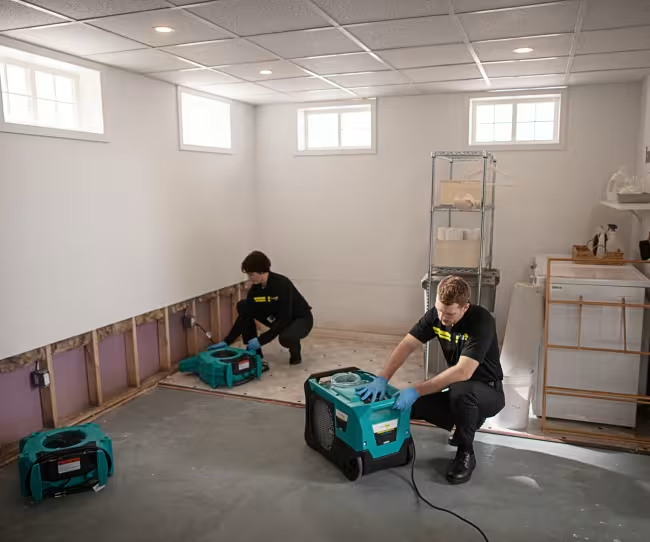
Sometimes the mold you see is only a small part of the problem. Water from a roof leak, a failed window seal, or a slow plumbing drip can travel behind drywall, above ceilings, and beneath insulation long before it leaves a visible clue. In homes that have been remodeled or rebuilt, layers of new materials can hide older moisture problems underneath. A faint stain, peeling paint, or a smell you can’t quite place may be the only warning sign. By the time growth becomes obvious, it has often spread through wall cavities and ceiling spaces well beyond the spot you first noticed.
Why Santa Rosa Homeowners Choose ServiceMaster

We Find What’s Hiding
Contain the Problem
Solve the Moisture Problem
Look Past the Surface
Mold Doesn’t Stay Put Forever
Once building materials become damp, waiting gives moisture more time to travel. Enclosed areas such as wall cavities, attics, and crawlspaces are especially important because changes often happen outside everyday view.
Within 24 Hours: Drywall, wood, insulation, and other porous materials begin absorbing water after a leak or intrusion. Moisture may also migrate beyond the original area into adjoining structural materials and cavities.
Within 24–48 Hours: Continued damp conditions create an environment where mold growth may begin on susceptible materials. Attics, wall cavities, and crawlspaces often deserve closer inspection because moisture easily goes unnoticed there.
Within One Week: Without proper drying and remediation, microbial growth may become more established across affected materials. Hidden moisture may also remain beneath insulation or finished surfaces, potentially increasing the scope of restoration work.
Found Mold? Start Here.
-
1Step 1Stop Incoming Water
If it is safe to do so, stop an active leak or other source of water intrusion. Move nearby belongings away from moisture without entering areas with electrical or structural hazards.
-
2Step 2Leave It Alone
Resist the urge to scrub or vacuum suspected mold growth. Disturbing affected materials may release spores and debris into surrounding areas, making proper containment especially important during professional remediation.
-
3Step 3Take a Few Photos
Photograph visible growth, staining, damp materials, and nearby water damage before cleanup starts. Documentation creates a record of the conditions you discovered and may also support an insurance claim.
-
4Step 4Bring in The Pros
Contact ServiceMaster Restoration Services - Santa Rosa for professional inspection and remediation. We assess affected areas, establish appropriate containment, remove contaminated materials, and address lingering moisture throughout the restoration process.