Need Fire Damage Restoration in St. Cloud, MN?
St. Cloud homeowners face a fire-risk mix shaped by Minnesota winters, older residential properties, and the everyday systems that keep homes comfortable through freezing weather. When furnaces, fireplaces, space heaters, and electrical equipment are working overtime, a small failure can quickly become a serious fire. In established neighborhoods around downtown St. Cloud, older wiring, remodeled interiors, attached garages, and layered renovations can create additional pathways for flames and smoke to travel.
A fire does not have to consume an entire house to create widespread damage. Smoke can move through HVAC systems, basement stairways, wall cavities, and open floorplans, leaving soot on ceilings, furnishings, insulation, and personal belongings far from the original fire.
Homes in nearby Sartell and other communities across the St. Cloud area face similar risks, particularly where attached garages, laundry areas, heating equipment, and residential storage bring multiple potential ignition sources together.
Our fire damage restoration services include fire damage restoration St. Cloud MN, smoke odor removal St. Cloud, emergency fire cleanup, soot cleanup, and structural fire restoration throughout the area.
Fire or Smoke Damage in Your St. Cloud Home? Call Now for Fast Response Restoration.
Cooking Fires in St. Cloud Kitchens
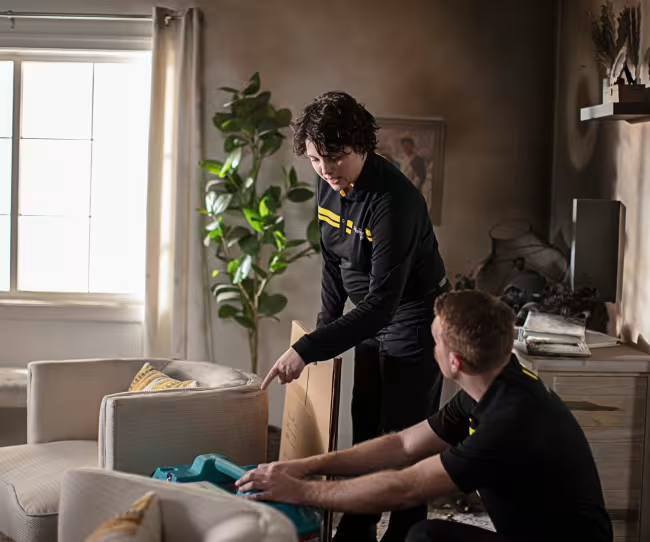
The kitchen is one of the busiest rooms in a St. Cloud home, and it is also where fire can get out of hand quickly. Unattended cooking, overheated grease, stovetop flare-ups, and appliances left running can send flames and smoke into adjoining living spaces before anyone has time to react. St. Cloud Fire Department data has historically identified cooking as the city's leading residential fire cause, accounting for roughly two-thirds of residential fires in one reported period. In homes throughout downtown St. Cloud, Waite Park, and nearby neighborhoods, an open kitchen layout can give smoke a direct path into dining rooms, living areas, bedrooms, and HVAC pathways.
Heating Equipment & Fireplace Fires
St. Cloud's long heating season puts furnaces, fireplaces, wood stoves, and space heaters to work when outdoor temperatures are at their most unforgiving. That makes heating equipment an important residential fire concern, particularly when combustibles are stored too close to heaters or fireplaces, chimneys are neglected, or supplemental heating equipment is used improperly. The St. Cloud Fire Department's residential inspection checklist specifically calls for proper clearance between heating equipment and combustible materials. In older homes around central St. Cloud, basements, enclosed mechanical areas, fireplaces, and attached garages can create additional places where a heating-related fire can begin or spread.

Electrical Fires in St. Cloud Homes
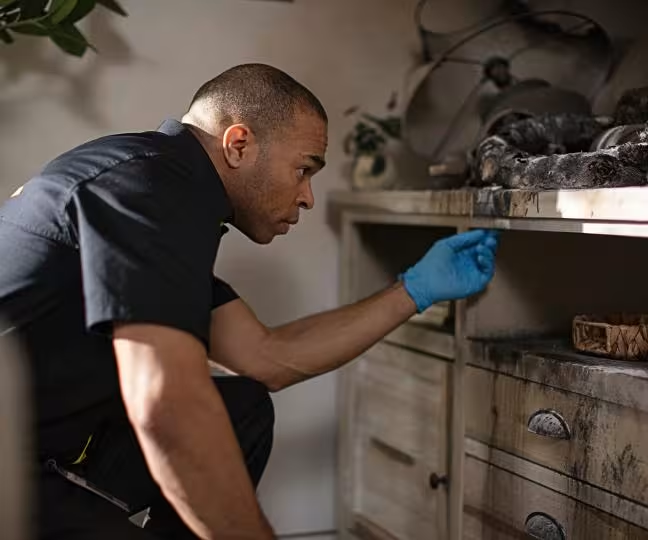
Electrical problems can turn an ordinary wall, outlet, basement, or utility area into a fire risk without much warning. Overloaded circuits, damaged cords, faulty outlets, aging connections, and improperly used power strips can generate heat where homeowners cannot easily see it. St. Cloud's Fire Department specifically checks electrical panels, junction boxes, electrical cords, and power strips during residential fire-safety inspections. That is particularly relevant in established homes where electrical systems may have been modified as appliances, finished basements, home offices, and other electrical demands were added over time. A fire that starts behind a wall or near a panel can also send smoke throughout the house before the source is obvious.
Why St. Cloud Homeowners Trust Our Fire Damage Restoration Services
Rapid Emergency Response
Cold-Climate Home Expertise
Full Smoke Penetration Treatment
Complete Restoration Approach
Why Fire Damage Must Be Addressed Immediately in St. Cloud
Within hours: Smoke and soot can migrate through HVAC systems, open rooms, and porous household materials.
Within 24–48 hours: Soot residues can become increasingly difficult to remove, while acidic smoke deposits may begin affecting certain surfaces and metals.
Within days: Persistent odors can penetrate fabrics, furnishings, insulation, and other porous materials, making the restoration process more involved.
The sooner the property is professionally assessed, the better the opportunity to limit secondary damage and preserve materials and belongings.
What to Do After Fire Damage in St. Cloud
-
1Step 1Ensure Safety First
Do not re-enter the property until firefighters or other appropriate authorities have determined that it is safe.
-
2Step 2Limit Air Movement
Avoid running HVAC equipment unless it has been cleared for use. Moving air can distribute smoke particles into areas that were not directly affected.
-
3Step 3Document Visible Damage
If it is safe to do so, photograph affected rooms, belongings, structural damage, and visible soot for your insurance records.
-
4Step 4Call ServiceMaster Restoration Services - St. Cloud-Waite Park
Contact our St. Cloud fire restoration team for professional assessment, cleanup, and stabilization after a residential fire.