Need Fire Damage Restoration in Saco, ME?
Fire damage in Saco often involves more than the immediate area where flames started. Older New England homes, seasonal coastal properties, and multi-unit residential buildings can experience widespread smoke migration and secondary damage after even a contained fire.
In Camp Ellis, coastal homes face added challenges from long-term salt-air exposure. Corrosion can weaken electrical systems over time, creating increased vulnerability during winter heating cycles when space heaters, baseboard heating systems, and other equipment operate under heavier demand. When fires occur in wood-frame coastal homes, smoke and heat can quickly move through walls, ceilings, and insulation.
Near the Downtown Saco Mill District and surrounding residential areas, many properties feature older construction, converted housing, and attached units. Shared walls, attic spaces, and ventilation pathways can allow smoke to travel throughout multiple rooms or units, leaving behind soot contamination and persistent odors even when flames are limited to one area.
Along Route 1, Lincoln Street, and nearby residential corridors, closely positioned homes increase the risk of smoke migration between properties. Common fire causes such as cooking accidents, appliance malfunctions, electrical failures, and heating system issues can create extensive cleanup needs. Smoke particles can settle into fabrics, wood surfaces, and insulation.
ServiceMaster Restoration Services - Saco provides emergency fire cleanup Biddeford-Saco homeowners rely on, including smoke odor removal Saco residents need after fire events and complete structural restoration for homes throughout York County.
Fire Damage in Your Saco Home? Get Emergency Cleanup and Restoration Now
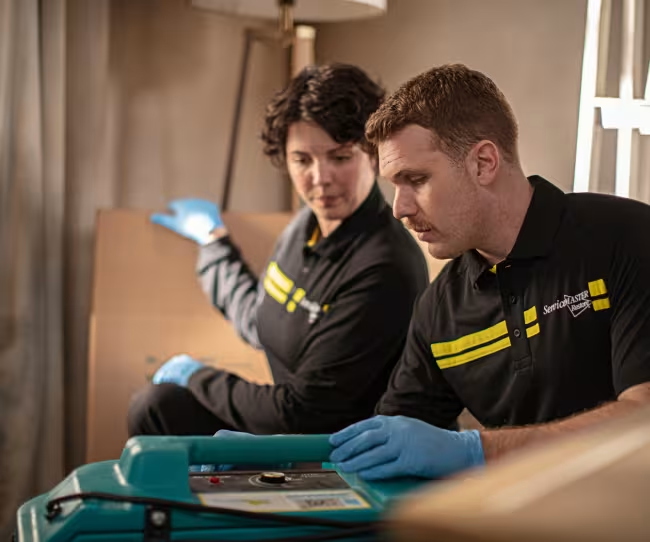
Cooking-Related Fires in Saco Homes
Cooking is one of the most common sources of residential fires in Maine, making kitchens an important fire-risk area in Saco homes. In older neighborhoods around Downtown Saco, where many houses date to earlier periods and some properties have been converted into multifamily housing, a kitchen fire can spread through adjoining rooms, shared walls, and older building materials. Homes closer to the coast, including Camp Ellis, also contend with a harsher marine environment that can add wear to exterior components over time. A small stovetop fire can quickly become a much larger loss when flames, smoke, and heat move beyond the kitchen.
Heating-Related Fires During Saco Winters
Saco's cold winters make heating equipment an important part of everyday life, but they also make heating-related fires a significant residential concern. Maine data consistently places heating among the leading causes of home fires. Older homes concentrated around Downtown Saco and the coastline can be particularly challenging because much of the city's housing stock predates modern building standards. Chimneys, wood stoves, fireplaces, furnaces, and portable heaters can all become ignition sources when equipment is aging, improperly maintained, or operated too close to combustible materials. In tightly spaced neighborhoods, a single house fire can also expose nearby properties to smoke and radiant heat.
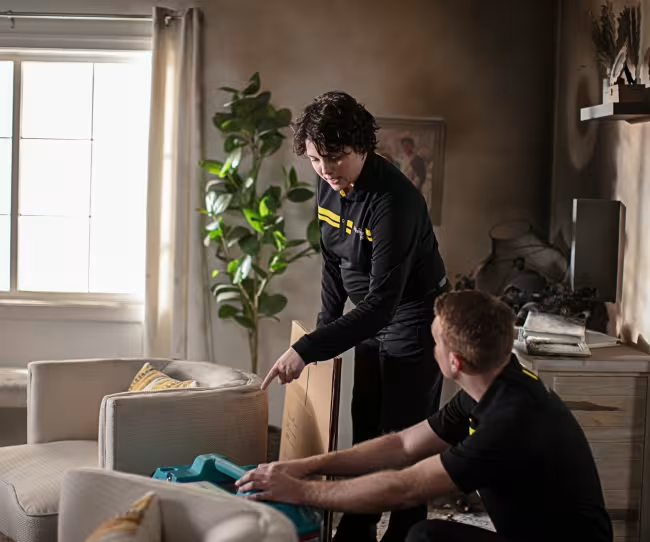
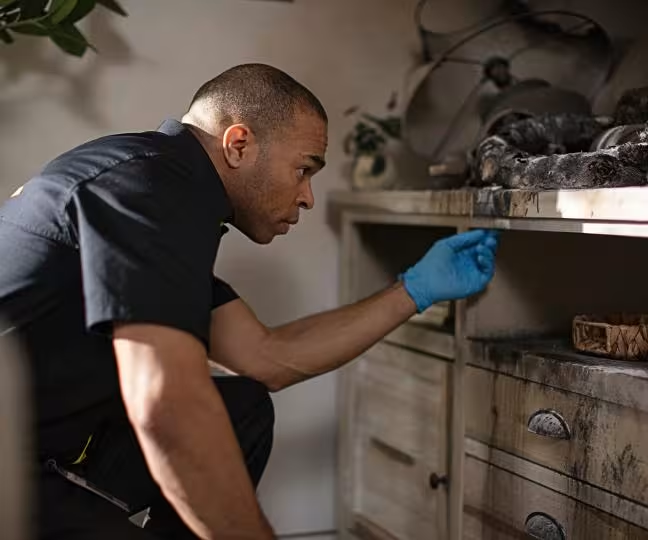
Electrical Fires in Older Saco Housing
Electrical malfunctions are another major source of structure fires in Maine, with the state's fire data identifying electrical problems as the most frequently identified overall structure-fire cause. Saco's older housing stock adds an important local dimension: about 41% of the city's housing was built before 1970, with older concentrations around Downtown and along the coastline. Aging wiring, overloaded circuits, outdated panels, and deteriorating electrical components can become particular concerns in older single-family homes and converted multifamily properties. A fault hidden behind a wall may ignite insulation or framing before occupants realize something is wrong, allowing smoke and fire damage to extend well beyond the original electrical problem.
Why Choose ServiceMaster Restoration Services - Saco?
Fast Response When You Need It
A Restoration Plan Built Around Your Home
Smoke, Soot & Water Damage Are Part of the Picture
Help With Belongings and the Next Steps
Why Fire Damage Can’t Wait in Saco Homes
Fire damage continues affecting your property even after the flames are gone. Fast professional response can help reduce long-term restoration challenges.
Within 24 hours: Smoke and soot begin bonding to walls, ceilings, fabrics, and wood framing commonly found in Cape Cod-style and mill-era homes throughout Saco.
Within 24–48 hours: Acidic smoke residues may begin damaging metal surfaces, wiring components, and HVAC equipment, especially in older coastal housing systems.
Within one week: Structural concerns, permanent odor absorption, and insulation contamination can increase restoration complexity and overall recovery needs.
What to Do Immediately After a Fire in Your Saco Home
-
1Step 1Make sure everyone is safely out of the property.
Do not re-enter until emergency officials determine that it is safe.
-
2Step 2Avoid disturbing damaged areas.
Soot, ash, damaged materials, and structural debris can create additional hazards after a fire.
-
3Step 3Document what you can safely see.
Photos and video of rooms, belongings, structural damage, and visible smoke or water damage can help with insurance documentation.
-
4Step 4Contact ServiceMaster Restoration Services - Saco.
A prompt professional assessment can help determine how far fire, smoke, soot, and water damage have traveled through the home.