Water Gone, but Your Redding Home Still Damp?
Redding’s summer temperatures regularly climb past 100 degrees, but all that heat doesn’t guarantee a dry home. Warm, dry air can make surfaces look dry within hours while water stays trapped in the materials underneath. Redding’s homes and seasons give that hidden moisture plenty of places to settle. Many newer homes and hillside communities sit on slab foundations, where water spreads sideways beneath flooring with nowhere to drain. Older homes in central Redding, Benton Tract, and Enterprise often sit over crawl spaces, where leaks drip unseen and damp soil keeps framing wet. Aging appliance connections and plumbing lines can leak for days before anyone notices. Winter brings atmospheric rivers that soak Shasta County, swell the creeks running through town, and push water into lower levels, while cool, damp weather and valley fog slow natural drying for weeks. In summer, homes stay closed up and air-conditioned against the heat, so moisture trapped inside walls and floors has little chance to escape. Whether you’re dealing with a dishwasher overflow, a burst washing machine hose, a plumbing failure, or storm water, ServiceMaster Restoration Services - Redding uses moisture mapping, professional extraction, and structural drying services to locate trapped water and prevent further damage. We’re proud to help families across Redding and Shasta County dry out and move forward.
Still Damp in Redding? Let's Find Out Why. Call Now.

Drying Beneath Your Floors
A floor can look perfectly dry while the materials underneath are still holding water. In Redding homes on slab foundations, water from a leak or flood spreads sideways beneath tile, laminate, and hardwood and sits against the concrete with nowhere to go. In older homes built over crawl spaces, water drips through the subfloor and collects on the soil below. There, it soaks floor joists and insulation in a dark, enclosed space that rarely dries on its own. Over time, trapped moisture causes flooring to swell, cup, and separate at the seams, subfloors to soften, and musty odors to rise into the rooms above.
Drying Walls and Cabinets
Water has a way of finding places homeowners would never think to check. A dishwasher leak in an East Redding kitchen can seep behind cabinets and into the base of nearby walls. A supply line that fails behind a bathroom vanity can soak drywall from the inside. Storm water that enters at floor level can wick up drywall and paneling several inches above the visible waterline. Because these materials are enclosed, they hold moisture much longer than open surfaces. Cabinets swell and delaminate, drywall softens and stains, and mold can begin growing inside wall cavities well before anything looks wrong from the outside.
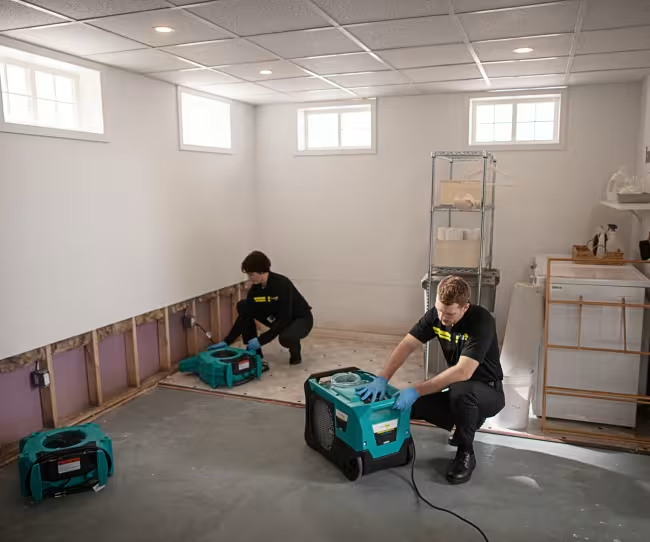
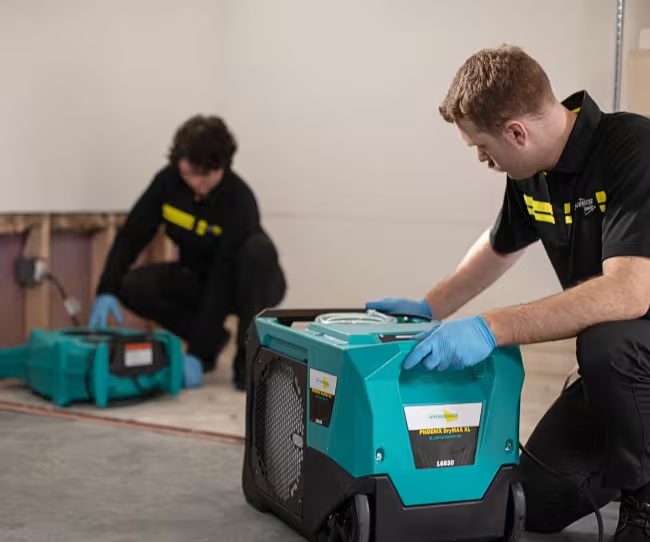
Dehumidification After Flooding
Redding’s hot, dry summers might seem helpful after a flood, but outdoor conditions don’t tell the whole story. During winter storm season, cool, damp air and stretches of valley fog keep indoor humidity high and slow evaporation to a crawl. In summer, homes are sealed tight and air-conditioned against triple-digit heat, so moisture released from wet materials stays trapped indoors. Either way, soaked drywall, carpet, and wood keep releasing water into the air, which then settles back into other materials. Without proper dehumidification, that cycle can lead to warping, lingering odors, and mold spreading through the home.
Why Choose ServiceMaster for Drying and Dehumidification in Redding, CA?
Moisture Doesn't Go Unnoticed
Fast Water Extraction
Drying Backed by Data
Restoration Beyond Surface Damage
The Longer Water Sits, the Bigger the Problem
Water damage doesn't wait for a convenient time. Even in Redding's dry climate, moisture trapped inside your home continues affecting surrounding materials.
Within Hours: Water Starts Spreading. Water from a plumbing leak or appliance overflow begins soaking into flooring, baseboards, and drywall. Even after visible puddles disappear, moisture often remains trapped beneath finished surfaces and cabinetry.
Within 24–48 Hours: Hidden Moisture Becomes a Concern. Damp materials and enclosed spaces create conditions that support microbial growth. Without proper drying, moisture beneath flooring or inside walls increases the likelihood of additional damage and mold development.
After Several Days: Repairs Become More Complicated. Prolonged moisture can contribute to warped flooring, damaged drywall, and deteriorating cabinetry. Materials that might have been saved with prompt drying could eventually require removal or replacement.
What to Do When Water Damage Strikes Your Redding Home
-
1Step 1Stop the Water Source
If it's safe, shut off the water supply to the leaking appliance or plumbing fixture. Stopping additional water gives you a better chance of limiting damage before professional help arrives.
-
2Step 2Stay Clear of Hazards
Avoid standing water near electrical outlets or appliances. If flooding has reached electrical equipment, stay out of the affected area until a qualified professional confirms it's safe to enter.
-
3Step 3Protect Nearby Belongings
Move furniture, rugs, and other belongings away from damp areas when it's safe. Avoid pulling up flooring or opening walls yourself, since hidden moisture requires proper assessment and drying equipment.
-
4Step 4Schedule Professional Drying Services
Contact ServiceMaster Restoration Services - Redding for an assessment. Our team identifies affected materials, measures moisture levels, and develops a drying plan based on your property's specific conditions and restoration requirements.