Need Drying & Dehumidification Services in Merrimack, NH?
In Merrimack, water finds its way into homes in every season, and the moisture it leaves behind tends to stick around. Spring snowmelt and heavy rain can raise the Merrimack and Souhegan Rivers, and past floods have pushed water toward nearby neighborhoods and into basements across town. Nor’easters sweep through Southern New Hampshire with wind-driven rain and heavy, wet snow, soaking homes around Baboosic Lake, Naticook Lake, and the wooded neighborhoods in between. Winter brings subzero cold that can freeze and burst pipes in homes off Naticook Road, Thornton’s Ferry, and Reeds Ferry, while ice dams push meltwater into attics and ceilings. Humid New England summers then keep basements and closed-off rooms from drying on their own. Many homes in Merrimack are colonials, capes, and split-levels with finished basements, while older farmhouses sit on stone and block foundations that hold dampness for months. Even after emergency water removal, moisture lingers beneath flooring, inside walls, and in framing and insulation. ServiceMaster uses commercial air movers, industrial dehumidifiers, thermal imaging cameras, and moisture meters to find hidden water and dry saturated materials. Our technicians monitor moisture readings throughout the process so drying goes beyond what looks dry on the surface. We’re proud to help homeowners throughout Merrimack and Southern New Hampshire recover when water gets inside.
A Little Water Left Behind? Merrimack, Let's Dry It Right. Call Now
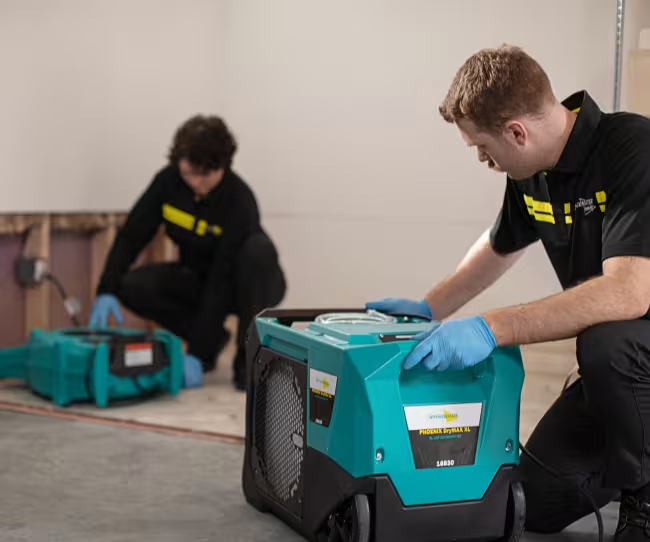
Storm and Flood Drying After Merrimack Nor’easters
New Hampshire weather keeps homeowners guessing. A nor’easter can stall over Merrimack and drop hours of wind-driven rain. Spring storms on top of melting snow can raise the Souhegan and Merrimack Rivers, and summer thunderstorms can overwhelm gutters and drainage in minutes. Water pushes through window frames, siding, and foundation cracks, then soaks into drywall, carpet, and subflooring. Homes near the rivers and in low-lying parts of town can see water reach basements and lower levels. Once the standing water is gone, moisture trapped inside walls and floors can linger for weeks, setting the stage for warping, odors, and mold.
Frozen Pipe and Winter Water Damage Drying
A New Hampshire winter is tough enough without water coming through the ceiling. When temperatures drop well below freezing, pipes in exterior walls, attics, and crawl spaces can freeze and split, and the leak often starts when the ice thaws. Heavy snow on the roof builds ice dams that push meltwater under shingles and into attics and ceilings. In older Merrimack homes with limited insulation, water travels along framing and through insulation, sometimes reaching rooms far from the original leak. With windows sealed tight for the season, that hidden moisture has little chance to dry on its own and can lead to mold within days.

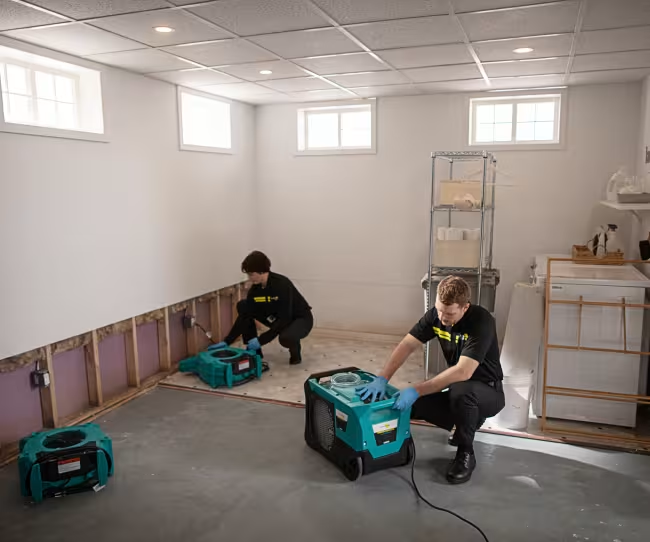
Basement and Sewage-Related Structural Drying
Merrimack basements feel the full force of spring thaw. As snow melts and rain soaks the ground, groundwater rises and pushes through foundation walls and floor joints. Sump pumps can run for days and then fail during a storm-related power outage. Heavy rainfall can also overwhelm sewer lines and send contaminated water back up through basement floor drains, bringing bacteria and odors into the home. Concrete, framing, carpet, and stored belongings soak up that water quickly. Even after cleanup, finished basements can hold moisture behind walls and beneath flooring, leading to musty odors and mold.
Why Choose ServiceMaster for Drying & Dehumidification in Merrimack?

Moisture Mapping Technology
Commercial-Grade Dehumidification
Daily Drying Verification
Mold Prevention Through Drying
Why Hidden Moisture Can't Wait in Merrimack Homes
Between humid summers, wet springs, and freezing winters, Merrimack homes encounter plenty of moisture challenges. Here's how water damage progresses when saturated materials remain untreated.
Within 24 Hours: Drywall begins absorbing moisture, wood flooring swells, and insulation becomes saturated. Even small plumbing leaks leave dampness beneath surfaces, raising indoor humidity while surrounding materials keep absorbing water.
Within 48 Hours: Mold growth becomes possible when moisture persists. Damp wall cavities and enclosed flooring create ideal conditions for microbial activity, especially when Merrimack's summer humidity slows natural indoor drying.
After One Week: Prolonged moisture increases the likelihood of warped flooring, persistent odors, and deteriorating building materials. Saturated insulation and drywall might require replacement, making restoration more involved than it would have been earlier.
What to Do Immediately After Water Damage in Your Merrimack Home
-
1Step 1Stop the Water Source
If a burst pipe or leaking appliance is responsible, shut off the water supply when safe. Avoid entering areas with standing water near electrical outlets or equipment until conditions are safe.
-
2Step 2Remove Excess Water Safely
For minor clean-water incidents, use towels or mops to absorb standing water. Move belongings to a dry location, but leave contaminated water and extensive flooding to trained restoration professionals.
-
3Step 3Document the Water Damage
Take photographs and videos of damaged flooring, walls, and personal belongings before cleanup begins. Record visible water levels and damaged materials to support insurance conversations and the professional restoration assessment.
-
4Step 4Contact ServiceMaster for Professional Drying
Reach out to ServiceMaster Restoration Services - Merrimack for 24/7 restoration support. Professional equipment removes concealed moisture and monitors drying progress before damp materials develop more extensive problems requiring costly repairs.