

Need Commercial Mold Removal in Gainesville, VA?
Gainesville's warm, humid summers and frequent thunderstorms create the kind of moisture conditions that can quietly lead to mold growth inside commercial buildings. Around Route 29, Linton Hall Road, University Boulevard, and the I-66 interchange, the area's rapid commercial growth has brought a mix of large retail centers, medical offices, restaurants, professional buildings, and multi-tenant properties with plenty of hidden spaces where moisture can linger. Heavy summer downpours can expose roof and exterior leaks, while plumbing failures behind walls, slow leaks above suspended ceilings, and water that is never fully dried after a storm are among the most common ways mold begins to take hold in the area.
Gainesville's rolling terrain drains toward Bull Run and nearby tributaries, so intense rainfall can also put added pressure on stormwater systems around parking lots and commercial sites. Once moisture gets into drywall, insulation, carpet backing, or wall cavities, mold can spread quietly for days or weeks before a musty odor, staining, or visible growth finally appears.
Is mold disrupting your Gainesville office, retail space, or commercial property? The sooner the moisture source is identified, the easier it is to keep a small problem from becoming a much larger building-wide issue.
Is Mold Disrupting Your Gainesville Office or Commercial Property? Call Now.

Post-Storm Mold Growth Along Route 29 & Linton Hall
Gainesville's summer thunderstorms can deliver intense rainfall in a short period, putting roofs, drainage systems, and commercial properties under sudden water pressure. Properties around Route 29, Linton Hall Road, and the I-66 corridor sit within a rapidly developing part of Prince William County where stormwater infrastructure continues to be an important consideration. Heavy rain can overwhelm drainage systems or expose small roof and exterior leaks, leaving ceiling materials, drywall, and flooring damp. With Bull Run and other local watersheds draining the area, moisture problems can develop quickly after major storms and remain hidden long after the rain stops.
Plumbing Leaks & Hidden Commercial Water Damage
A leaking supply line, failed pipe, or plumbing backup can create mold-friendly conditions inside Gainesville offices, medical spaces, retail buildings, and multi-tenant properties. This is particularly important in a community where newer commercial development continues alongside established properties and extensive utility infrastructure. Water can migrate behind walls, beneath flooring, or above suspended ceilings before anyone notices visible damage. By the time staining or musty odors appear, moisture may have already affected a much larger area. In commercial spaces along Linton Hall Road, University Boulevard, and Route 29, an unnoticed plumbing loss can quickly turn into a building-wide disruption.
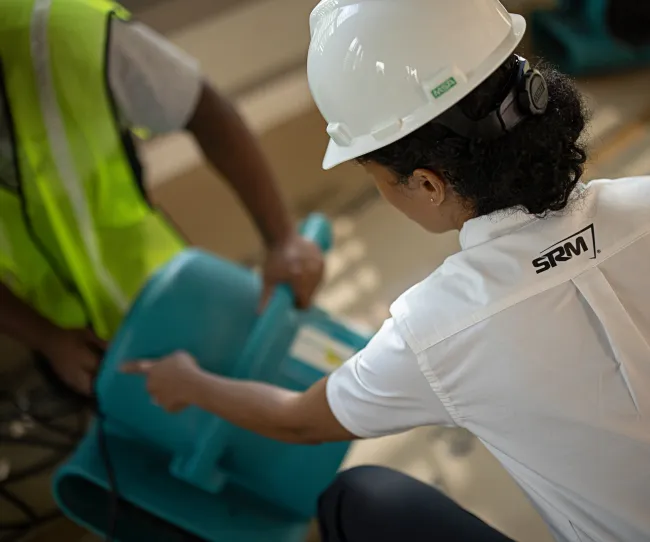

Groundwater, Drainage & Moisture Intrusion
Gainesville's position within Prince William County's network of Bull Run, Broad Run, and Occoquan drainage systems makes stormwater management an important part of local development. Heavy or prolonged rainfall can cause flooding even away from rivers when drainage systems become overloaded. Commercial properties with below-grade rooms, storage areas, or spaces near drainage features can experience recurring moisture intrusion that stays hidden behind finishes. Over time, damp drywall, insulation, flooring, and other porous materials can support mold growth, particularly when a water problem is never fully dried after a storm.
Why Choose ServiceMaster for Commercial Mold Remediation in Gainesville, VA
Commercial-Grade Mold Containment Systems
HEPA Filtration & Air Quality Restoration
Thermal Imaging & Hidden Moisture Detection
Commercial Water + Mold Integrated Response
Why Commercial Mold Can’t Wait in Gainesville Buildings
Mold growth in commercial environments can accelerate quickly in Northern Virginia’s humid, storm-prone climate, especially in buildings with shared ventilation systems and limited airflow control.
Within 24 hours: Moisture intrusion can begin activating mold spores behind drywall, ceiling systems, and carpeted office spaces, particularly after storm-related roof leaks or HVAC overflow events.
Within 24–48 hours: Mold colonies may expand into visible growth while airborne contamination increases, allowing spores to move through office corridors and shared ventilation systems in multi-tenant buildings.
After one week: Structural materials such as drywall, insulation, and wood framing may become heavily affected, potentially requiring more extensive removal and reconstruction rather than simple surface treatment.
What to Do Immediately After Mold Discovery in Your Gainesville Commercial Property
-
1Step 1Restrict Access to Affected Areas
Immediately close off contaminated zones from employees, tenants, or customers to reduce airborne exposure and prevent cross-contamination through foot traffic or HVAC circulation.
-
2Step 2Stop the Moisture Source if Possible
If it is safe to do so, shut down leaking HVAC equipment, plumbing systems, or other moisture sources contributing to mold growth. Controlling the source helps slow additional spread.
-
3Step 3Document Visible Damage
Take photos and notes of affected ceilings, walls, flooring, and HVAC components. Documentation can support insurance claims and help determine the appropriate remediation scope.
-
4Step 4Call ServiceMaster Restoration Services - Gainesville, VA for Emergency Commercial Mold Response
Once the affected area is secured, contact our 24/7 commercial remediation team. Rapid containment helps limit spread, protect indoor air quality, and minimize operational disruption.
