
Mold on the walls of your home or business is more than just an eyesore - it can pose serious health risks to occupants. Because mold thrives in warm, damp environments, maintaining proper ventilation and keeping humidity levels low is essential for residential and commercial spaces. Once mold develops, it must be safely removed.
Removing Mold from Walls
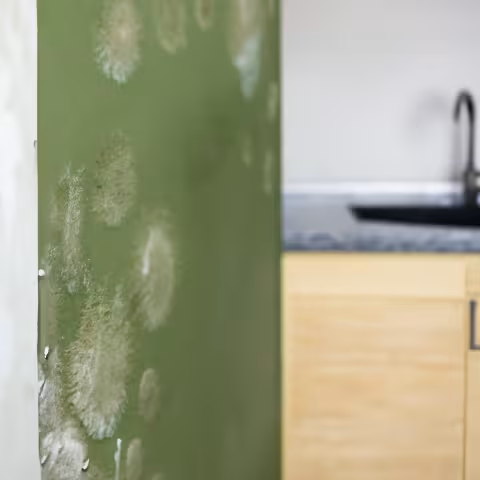
Mold grows easily in damp environments, making bathrooms, basements, and laundry rooms especially vulnerable. Small patches of mold on painted walls can often be removed with cleaning agents such as distilled white vinegar, hydrogen peroxide, or a commercial mold removal product.
Safety First:
Work in a well-ventilated area
Keep children and pets away from cleaning products and affected areas
Wear protective gear: long sleeves, non-porous gloves, safety glasses, and a mask
Test a small, inconspicuous area first to ensure the cleaner won’t damage the paint
Work in a well-ventilated area
Keep children and pets away from cleaning products and affected areas
Wear protective gear: long sleeves, non-porous gloves, safety glasses, and a mask
Test a small, inconspicuous area first to ensure the cleaner won’t damage the paint
Cleaning Steps:
Never mix bleach with ammonia or other cleaning agents
Spray the cleaning solution directly on the mold and let it sit for a few minutes
Scrub with a stiff-bristle brush
Rinse with warm water
Dry the area thoroughly with a clean cloth
Repeat the process if necessary
Never mix bleach with ammonia or other cleaning agents
Spray the cleaning solution directly on the mold and let it sit for a few minutes
Scrub with a stiff-bristle brush
Rinse with warm water
Dry the area thoroughly with a clean cloth
Repeat the process if necessary
If repainting after mold removal, choose mildew-resistant paint to help prevent future mold growth.
Preventing Mold Growth
The Centers for Disease Control and Prevention (CDC) recommends keeping indoor humidity levels below 50% to prevent mold growth. Running an air conditioner or dehumidifier can help maintain proper humidity levels in homes and businesses.
Additional Prevention Tips:
Use exhaust fans in bathrooms and kitchens to vent heat and humidity outside
Ensure clothes dryers are vented properly to the outdoors
Seal cracks in the foundation, attic, and around windows, doors, and walls
Keep gutters clear and direct water away from the foundation to prevent pooling
Use mildew-resistant building materials and paint, or add mold inhibitors to regular paint
Use exhaust fans in bathrooms and kitchens to vent heat and humidity outside
Ensure clothes dryers are vented properly to the outdoors
Seal cracks in the foundation, attic, and around windows, doors, and walls
Keep gutters clear and direct water away from the foundation to prevent pooling
Use mildew-resistant building materials and paint, or add mold inhibitors to regular paint
When to Call the Professionals
A small patch of mold can often be cleaned without professional help, but persistent mold issues require expert intervention. If mold continues to return or covers a large area, it’s time to call ServiceMaster Restoration and Cleaning Services.
Our professionals have undergone comprehensive mold remediation training and use the safest, most effective techniques for mold removal. We handle mold issues of all sizes, from small (less than ten square feet) to extensive mold infestations in both residential and commercial properties.
(541) 738-4624 for safe and effective mold removal.


