Need Mold Removal in Concord, CA?
Concord’s climate swings between long, hot, dry summers and cool, damp winters, and those extremes give mold plenty of chances to take hold. When atmospheric river storms soak Contra Costa County, heavy rain and runoff from Mount Diablo and the surrounding hills push water through aging roofs, around windows, and into crawl spaces. Cool winter mornings follow, creating condensation in attics and along exterior walls. Many homes in Concord were built during the city’s post-war growth, and ranch-style houses in neighborhoods near Downtown Concord, Monument Boulevard, Ygnacio Valley, the Clayton Valley, and North Concord often sit on raised foundations with original plumbing, older roofing, and limited attic ventilation. Mature oaks, eucalyptus, and pines shade many of these homes and keep roofs damp long after the rain stops. After a dry summer bakes roofing and sealants, the first big storms often reveal leaks that went unnoticed for months. ServiceMaster Restoration Services begins with a professional mold inspection to find visible and hidden growth, followed by moisture mapping to locate the sources behind it. Containment systems, safe mold removal, and air filtration address affected areas while limiting the spread of mold spores. We provide mold remediation in Concord, CA, and we’re proud to help families throughout Central Contra Costa County keep their homes healthy.
Is mold hiding in your attic or crawl space? Call our team anytime for mold removal in Concord.

Attic Mold Removal After Concord’s Damp Winter Season
Concord’s winter mornings can be cool and damp, and that’s when attic moisture problems build. Warm, humid air from showers, cooking, and everyday living rises into the attic and condenses on cold roof decking and rafters. Many older Concord homes have limited attic ventilation or bathroom fans that vent into the attic instead of outside, so that moisture has nowhere to go. Week after week, sheathing stays damp, insulation absorbs water, and mold begins growing in dark patches across the underside of the roof. Because few homeowners check the attic, the problem often goes unnoticed until a musty smell or ceiling stain appears below.
Mold Remediation After Roof Leaks & Winter Storm Damage
When an atmospheric river stalls over Contra Costa County, wind-driven rain can find every weak spot in a roof. After months of summer heat, shingles crack, flashing pulls loose around chimneys and vents, and sealants shrink away from roof penetrations. Falling limbs from mature trees add more damage. A leak may seem to stop once the storm passes, but water often travels along rafters and into insulation, wall cavities, and ceilings far from where it entered. That moisture can stay trapped for weeks in the cool, damp winter air. Mold may not show up until well after the storm is forgotten.

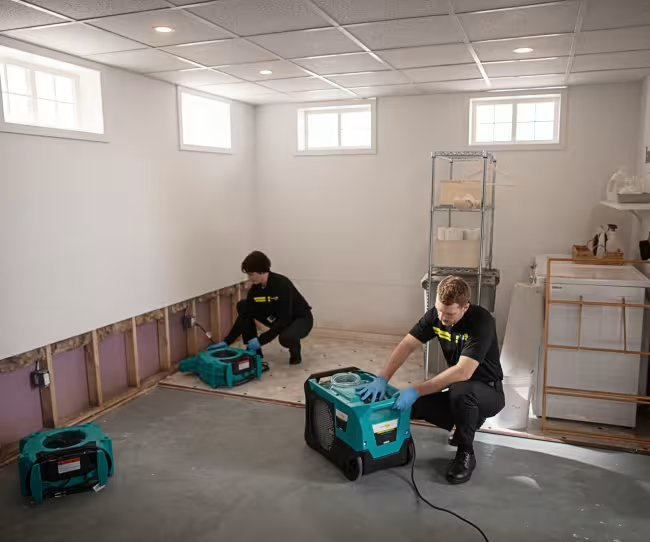
Crawl Space & Interior Mold Removal for Concord Homes
Mold isn’t always visible. Many Concord homes sit over crawl spaces, where aging plumbing, slow pipe leaks, and moisture from saturated winter soil can collect beneath the floor unnoticed. Inside the home, water heater failures, dripping supply lines under sinks, and leaks behind tubs and showers can soak drywall, subflooring, and cabinets out of sight. Bathrooms and laundry rooms with limited ventilation stay damp for long stretches. Because these areas are hidden, many homeowners don’t realize there’s a problem until a musty odor drifts into the living space or staining appears on walls, floors, or baseboards.
Why Choose ServiceMaster Restoration Services for Mold Removal in Concord
Comprehensive Mold Investigation
Containment & Air Filtration
Safe Removal of Contaminated Materials
Moisture Control Solutions
Why Mold Growth Can't Wait in Concord Homes
Even small moisture problems can turn into widespread mold contamination when left untreated in Concord homes. Once damp conditions are established, mold can develop quickly on suitable materials.
Within 24–48 hours: mold spores can begin colonizing damp materials. Following a roof leak, plumbing failure, or condensation issue, mold can begin growing on drywall, insulation, wood framing, and other porous materials surprisingly quickly.
Within several days: mold spreads beyond the original moisture source. What starts as a small patch can expand into wall cavities, attics, crawl spaces, and other concealed areas, particularly when moisture remains trapped and undiscovered.
After several weeks: structural materials and indoor air quality may be affected. Persistent mold growth can damage building materials, create strong odors, and require more extensive remediation efforts.
What to Do Immediately After Discovering Mold in Your Concord Home
-
1Step 1Limit Disturbance of the Area
Avoid scrubbing, sweeping, or otherwise disturbing visible mold. Agitating contaminated materials can release particles into the air and potentially spread contamination to other areas.
-
2Step 2Address Active Moisture Sources
If it is safe to do so, stop ongoing leaks or water intrusion from plumbing, roofing, appliances, or other sources. Mold growth can continue when moisture remains present.
-
3Step 3Document the Damage
Take photos of visible mold, affected materials, and any associated water damage. Documentation can help establish the extent of the problem before remediation begins.
-
4Step 4Schedule a Professional Mold Inspection
Contact ServiceMaster Restoration Services promptly for an inspection. Identifying the extent of the mold and its underlying moisture source early can help contain the problem before it spreads into additional areas of the home.