Helping You Restore Your Home When Disaster Strikes
When severe weather damages your Eagan home, ServiceMaster DSI - St. Paul provides 24/7 residential storm damage restoration to help stabilize your property, remove water and debris, and begin the recovery process. From wind-damaged roofs near Lebanon Hills Regional Park to hail and heavy-rain damage affecting homes throughout Eagan, our restoration team is ready to respond when you need help most.
When summer rolls around in Eagan, it usually means severe weather. June is the month of tornadoes, which cause serious problems and property damage for residents.
When facing significant damage due to weather conditions, try our weather damage specialists at ServiceMaster DSI - St. Paul. Our 24/7 services are designed to help you recover quickly from the devastation of weather damage, so you can put it behind you and start fresh.
24/7 Restoration Assistance
When you experience weather damage, it’s important to act quickly. Any delays could mean further and more severe damage that requires reconstruction. You can visually assess the damage to determine the extent of the required repairs and then contact your insurance company immediately.
Still, you’ll want to enlist the help of our professional restoration service experts’ help to get your property back to its original condition as quickly and efficiently as possible. With our assistance, you can rest assured that your home is well-protected against weather damage and will easily weather any storm.
Storm damage affecting your Eagan home? Get restoration help when you need it with ServiceMaster DSI - St. Paul. We answer the call 24/7 when weather emergencies hit your property.
How Minnesota's Weather Influences Storm Damage Risks in Eagan Homes
Minnesota weather can change quickly, and Eagan homeowners face a range of storm-related threats throughout the year. Spring and summer thunderstorms can bring heavy rainfall, straight-line winds, lightning, and hail, while winter storms can leave homes dealing with ice, snow, and freezing temperatures. Properties near the Minnesota River valley and areas around Blackhawk Lake and Lebanon Hills can also experience significant runoff when heavy precipitation overwhelms drainage systems.
ServiceMaster DSI - St. Paul helps homeowners address the damage that follows these events. Our restoration process can include emergency board-up and roof tarping, water extraction, structural drying, debris removal, smoke and soot cleanup when storms contribute to fire damage, and repairs needed to restore affected areas.
For homeowners searching for residential storm damage restoration in Eagan, MN, the priority is more than removing what is immediately visible. Water can enter through damaged roofing, siding, windows, or other openings and continue affecting insulation, drywall, flooring, and structural materials after the storm has passed. Our technicians assess the property, identify areas requiring attention, and develop a restoration plan based on the extent of the damage.
Whether a summer thunderstorm has torn shingles from your roof or a winter storm has caused ice-related damage, acting quickly can help prevent a manageable repair from becoming a much larger restoration project.
Your home deserves a fast, reliable restoration—schedule with a technician today.
Storm & Hail Damage Restoration for Eagan Homes
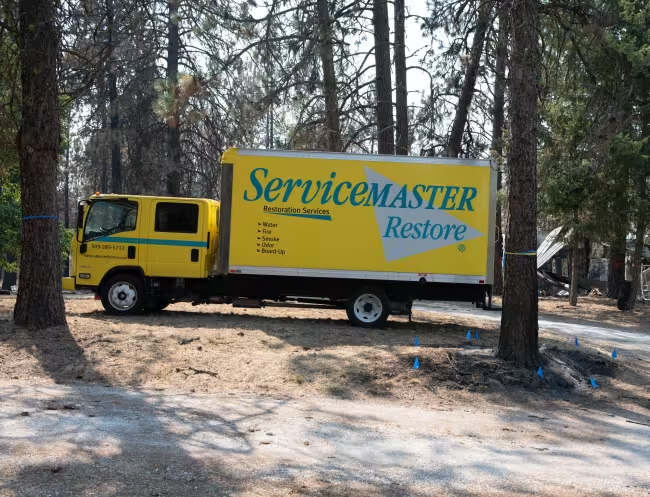
Severe thunderstorms are a recurring part of Minnesota's warm-weather climate, and Eagan can experience heavy rain, strong winds, lightning, and hail during the spring and summer storm season. A single storm can damage roofing materials, break windows, knock down trees, and allow rainwater into otherwise protected living spaces.
ServiceMaster DSI - St. Paul responds to storm-damaged homes with emergency stabilization designed to limit additional damage. Technicians can inspect affected areas, remove standing water when necessary, and use appropriate equipment to dry materials that have become saturated.
For hail-damaged roofs, the restoration process may involve documenting visible damage and addressing openings that allow additional moisture inside. Wind can also lift shingles, damage flashing, or send branches into roofs and windows. Even damage that looks relatively minor from the ground can create pathways for water to enter during the next rainfall.
Homeowners should avoid climbing onto damaged roofs or entering areas affected by fallen electrical lines. Once the property is safe, professional restoration can help identify hidden moisture and other storm-related problems before they become more extensive.
Emergency Water Removal After Heavy Rainfall
Eagan's location within the Twin Cities metropolitan area means intense rainfall can quickly put pressure on residential drainage systems. Heavy summer thunderstorms can overwhelm gutters, downspouts, window wells, and sump pumps, allowing water to reach basements, lower levels, and other vulnerable areas.
When stormwater enters a home, ServiceMaster DSI - St. Paul can begin with water extraction and moisture assessment. The objective is to remove standing water quickly and determine how far moisture has traveled into flooring, drywall, insulation, and other materials.
Basements deserve particular attention. Many Eagan homes have finished lower levels containing carpeting, drywall, furniture, and stored belongings that can absorb water rapidly. Water that remains beneath flooring or inside walls can continue causing damage even after the surface appears dry.
Restoration technicians can use moisture meters and other detection tools to identify affected areas, followed by air movers and dehumidification equipment to support structural drying. Where appropriate, damaged materials may need to be removed so the remaining structure can dry properly.
The faster excess water is addressed, the better the opportunity to reduce secondary damage such as swelling, staining, deterioration, and microbial growth.

Wind, Ice & Winter Storm Damage Cleanup
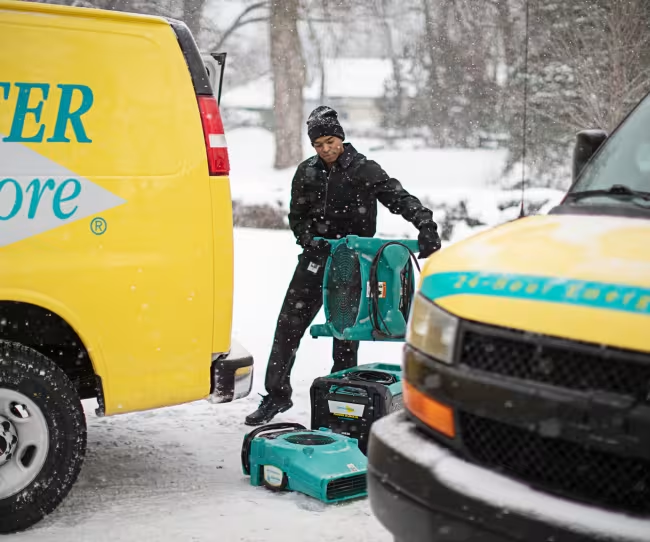
Eagan's storm season does not end when summer thunderstorms disappear. Minnesota winters bring snow, ice, freezing temperatures, and strong winds that can affect residential roofs, siding, windows, trees, and exterior structures.
Heavy snow and ice can place additional weight on roofing systems, while freeze-thaw cycles can worsen existing weaknesses around flashing, shingles, gutters, and other exterior components. Winter winds can also break branches or damage structures, potentially creating openings that expose the interior to cold air, snow, and moisture.
When winter weather damages a home, emergency stabilization may be necessary before full restoration begins. ServiceMaster DSI - St. Paul can help secure affected areas and address resulting water damage where melting snow or ice has entered the structure.
Homeowners should never attempt to remove large amounts of snow or ice from a damaged roof without appropriate training and safety equipment. Likewise, downed power lines and electrically energized areas should be avoided. Professional responders can help determine which portions of the property require immediate attention.
Why Choose ServiceMaster DSI - St. Paul for Storm Damage Restoration?
Storm restoration requires more than cleaning up debris after severe weather. Four capabilities can make the difference between addressing visible damage and uncovering the problems that may continue affecting your home.
Emergency Property Stabilization
Water Extraction & Structural Drying
Debris & Damage Cleanup
Restoration from Damage to Recovery
How Quickly Can Storm Damage Get Worse in Eagan Homes?
Eagan's changing weather conditions can make an already damaged home vulnerable to additional problems. Summer heat and humidity can contribute to faster moisture-related deterioration, while winter freezing temperatures can create additional complications when water enters an exposed structure.
Within the first few hours: water begins spreading. Rainwater entering through a damaged roof, window, or wall opening can migrate into insulation, drywall, flooring, and other porous materials. Standing water can also spread beyond the location where it first entered.
Within 24 to 48 hours: hidden moisture becomes a bigger concern. Materials that remain damp can deteriorate, while concealed moisture behind walls, under flooring, or inside insulation may create conditions favorable to microbial growth.
After several days: secondary damage can become more extensive. Continued moisture can contribute to staining, swelling, odors, material deterioration, and additional repair requirements. In winter, freezing and thawing can further complicate damage around exterior openings.
Getting professional help early gives homeowners a better opportunity to identify affected materials, protect undamaged areas, and prevent a storm-related problem from spreading.
What Should You Do After Storm Damage in Your Eagan Home?
After a severe storm, safety should come before cleanup. Use these four steps to protect yourself and give restoration professionals the information they need.
-
1Step 1Check for Immediate Safety Hazards
Stay away from downed power lines, unstable trees, damaged structures, and areas with standing water near electrical equipment. If the property is unsafe, leave the area and follow emergency instructions from local authorities.
-
2Step 2Stop Additional Water Entry When It Is Safe
If possible without climbing onto a damaged roof or putting yourself at risk, limit additional water exposure. Close windows or place containers beneath active interior leaks while waiting for professional assistance.
-
3Step 3Document the Damage for Insurance
Take photos and videos of damaged roofing, windows, ceilings, flooring, belongings, and exterior areas before moving items or beginning cleanup. Keep records of emergency repairs and damaged property for your insurance claim.
-
4Step 4Call ServiceMaster DSI - St. Paul
Once everyone is safe and the damage has been documented, contact ServiceMaster DSI - St. Paul for emergency storm damage restoration. Fast action can help limit additional water intrusion and protect more of your Eagan home.
Don’t wait on storm repairs—book your home damage inspection today.