Restoring Fire-Damaged Homes in the Champaign, IL Area
When a fire damages your Champaign home, the visible flames are only the beginning. Smoke, soot, heat, and water used during firefighting can continue damaging walls, flooring, belongings, and structural materials long after the fire is extinguished.
ServiceMaster DSI - Champaign provides 24/7 residential fire damage restoration in Champaign to help homeowners stabilize their property, clean affected materials, and begin the restoration process as quickly as possible.
We’ve invested over 40 years in developing smoke and fire remediation practices that are proven to successfully restore homes and possessions back to their original condition and your life back to normal. When it comes to fire damage, the sooner we start, the more of your home and possessions can be restored, so all of our techniques are designed with this in mind.
ServiceMaster DSI - Champaign is available 24/7 to help homeowners begin cleanup and restoration after fire, smoke, soot, and firefighting-related water damage.
The Fire Restoration Process for Champaign Homes
Residential fires can happen anywhere in Champaign, from older homes near Downtown Champaign and Westside Park to newer properties around southwest Champaign and neighborhoods near the University of Illinois Urbana-Champaign. Local weather can also influence fire-related risks. Cold Illinois winters increase reliance on furnaces, space heaters, fireplaces, and other heating equipment, while dry summer conditions can increase the potential for outdoor fires to spread.
After a fire, ServiceMaster DSI - Champaign can help address the full range of resulting damage. Restoration may include emergency board-up and property stabilization, smoke and soot removal, cleaning of affected contents, odor control, water removal after firefighting, and repairs or reconstruction when needed.
A fire does not have to completely destroy a home to create extensive restoration needs. Smoke can travel through rooms that were untouched by flames, while soot can settle on ceilings, walls, furniture, and personal belongings. Water and moisture left behind by firefighting efforts can create additional problems if they are not addressed promptly.
Whether the damage occurred near Campustown, along Springfield Avenue, or elsewhere throughout Champaign County, the goal is to help you move from emergency conditions toward a safe, clean, and functional home.
Let our experienced team handle cleanup, repairs, and recovery.
What Fire, Smoke, and Soot Damage Can ServiceMaster Restore?
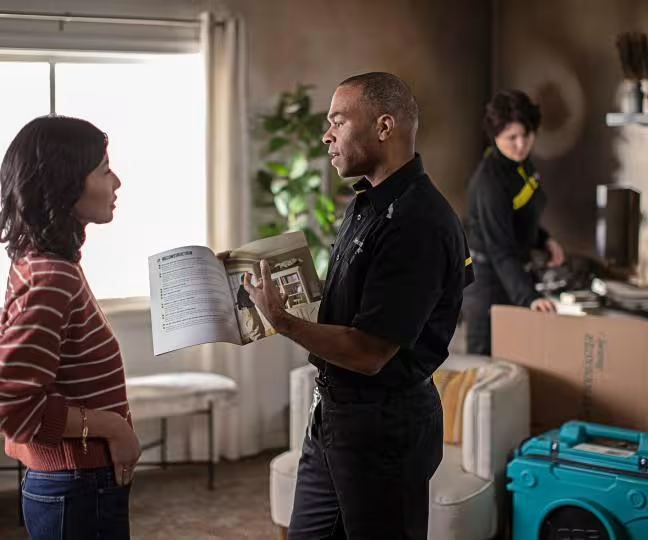
Smoke & Soot Cleanup
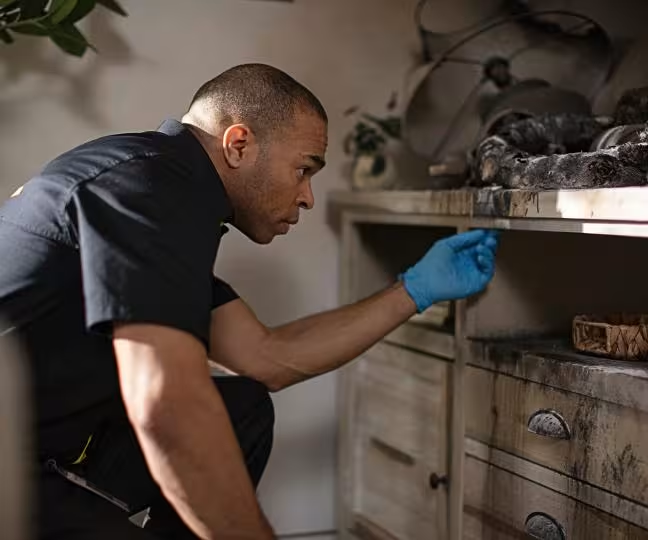
Smoke residue can spread far beyond the room where a fire started. Depending on what burned, soot may leave oily, acidic, or powdery deposits on painted surfaces, cabinetry, flooring, appliances, and personal belongings.
ServiceMaster DSI - Champaign evaluates affected areas and determines the appropriate cleaning approach for different materials. Cleaning may involve removing soot from walls and ceilings, treating affected surfaces, cleaning contents, and addressing smoke odors that remain after visible residue has been removed.
The objective is not simply to make surfaces look cleaner. Proper smoke and soot cleanup helps address residues that can continue affecting materials if they remain untreated.
Fire-Damaged Contents & Belongings
A fire can damage much more than the structure of a home. Furniture, clothing, electronics, photographs, documents, kitchenware, and other personal belongings may be affected by flames, smoke, soot, or water.
ServiceMaster DSI - Champaign can evaluate damaged contents and determine what may be cleaned, restored, or otherwise handled as part of the recovery process. Items that appear unaffected can still carry smoke odors or microscopic soot particles, so they should not automatically be considered undamaged.
Content restoration is especially important after smaller fires because salvaging possessions can reduce unnecessary replacement costs while helping homeowners preserve items with personal or financial value.
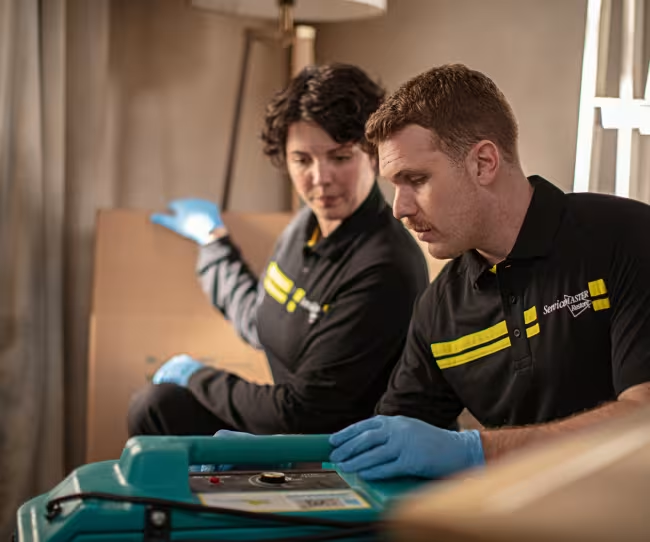
Water & Firefighting Damage
Firefighters may need significant amounts of water to extinguish a residential fire, leaving behind saturated flooring, drywall, insulation, and other materials. This secondary water damage can become a major part of the restoration project.
ServiceMaster DSI - Champaign can address water left behind after firefighting by extracting standing water, drying affected areas, and identifying materials that may require removal. Moisture detection equipment can help locate water that has moved beneath flooring or into walls.
Addressing water damage at the same time as smoke and soot cleanup helps prevent one emergency from becoming several additional problems.
Odor Control
Smoke odor can remain inside porous materials even after visible soot has been cleaned away. Odors may become especially noticeable when humidity rises or when previously affected materials warm up.
Professional odor-control techniques are used to address persistent smoke smells rather than simply masking them with fragrances. The appropriate approach depends on the source, severity, and materials affected by the fire.
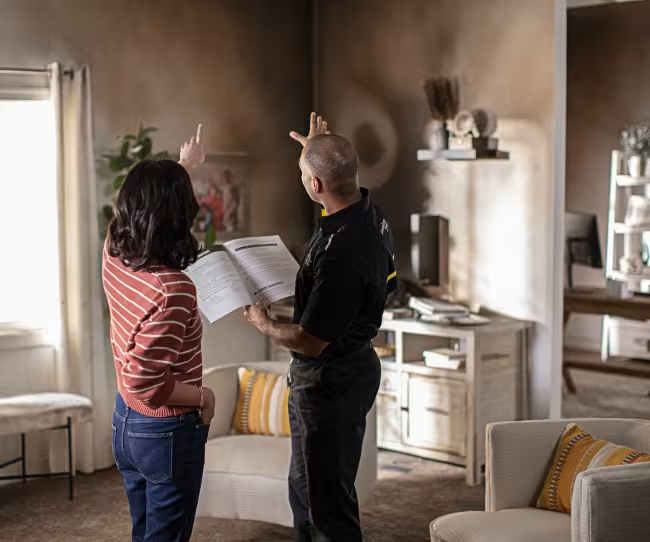
Why Choose Professional Fire Damage Restoration in Champaign?
Fire restoration requires more than removing damaged materials and wiping down surfaces. A professional restoration response should account for structural damage, smoke migration, soot residues, moisture from firefighting, damaged contents, and lingering odors.
Detailed Damage Assessment
Specialized Smoke & Soot Cleaning
Moisture Detection & Drying
Coordinated Restoration
Why Does Fire Damage Need Immediate Restoration?
Champaign's four-season climate can make prompt fire restoration especially important. Cold winters can leave wet materials vulnerable to freezing, while warm and humid summer conditions can encourage deterioration in materials that remain damp.
Within the first several hours, smoke and soot can spread throughout the home. Air movement from HVAC systems and normal household activity can carry smoke particles into rooms that were not directly affected by the fire. Soot may settle onto walls, ceilings, furniture, and other surfaces.
Within 24 to 48 hours, secondary damage can become more difficult to manage. Water from firefighting can saturate drywall, insulation, flooring, and contents. Persistent moisture can contribute to swelling, staining, corrosion, and microbial growth, particularly during warmer periods.
As time passes, smoke odors and residues can become harder to remove. Porous materials such as upholstery, carpeting, fabrics, and some wood products can absorb smoke odors. Corrosive soot residues may also continue affecting certain surfaces if they are left untreated.
A fast professional response gives homeowners a better opportunity to stabilize the property, limit secondary damage, and determine which materials and belongings can be restored.
What Should You Do After a House Fire in Champaign?
After a residential fire, safety should come before cleanup. Even when flames are out, the property may contain structural hazards, electrical risks, broken glass, unstable materials, or lingering smoke.
-
1Step 1Wait for Clearance to Reenter
Do not enter the property until the fire department or appropriate authorities have determined that it is safe. Avoid touching damaged electrical equipment, unstable structures, or areas that may have been compromised by heat.
-
2Step 2Avoid Cleaning Soot Yourself
Resist the urge to scrub walls, furniture, or other surfaces immediately. Improper cleaning methods can spread soot or drive residues deeper into porous materials, potentially making professional restoration more difficult.
-
3Step 3Document the Damage
Once it is safe, photograph and record damaged rooms, belongings, appliances, structural materials, and visible smoke or water damage. Keep receipts and records for emergency expenses and restoration-related services for your insurance claim.
-
4Step 4Contact ServiceMaster DSI - Champaign
Once the property is safe and the damage has been documented, contact ServiceMaster DSI - Champaign for emergency fire damage restoration. A prompt assessment can identify smoke, soot, and water damage before secondary problems become more extensive.
How Can You Get Your Champaign Home Back to Normal?
Recovering after a house fire can feel overwhelming, particularly when the damage extends beyond the room where the fire began. Smoke may have traveled throughout the home, water may have affected multiple floors, and everyday belongings may need professional cleaning or restoration.
ServiceMaster DSI - Champaign approaches the recovery process by identifying the different types of damage and addressing them in the appropriate order. Stabilization comes first, followed by cleanup, drying, odor control, contents restoration, and repairs or reconstruction as the project requires.
For homeowners in Champaign and surrounding communities, local conditions matter. A winter fire near Downtown Champaign can leave a home exposed to freezing temperatures after firefighting efforts, while summer humidity can complicate drying after a fire. Properties near the University of Illinois, older residential areas around Westside Park, and newer neighborhoods throughout Champaign can also have different construction materials and layouts that influence restoration needs.
The sooner the restoration process begins, the sooner your home can move from an unsafe or disrupted condition toward a clean, stable, and livable space. When fire, smoke, soot, or firefighting water has affected your Champaign home, professional restoration can help you determine what can be cleaned, what needs to be removed, and what can ultimately be restored.
Trust our certified experts to restore your home safely and completely.