

Need Mold Removal or Inspection in Columbia, SC?
Recurring flooding around the Broad, Saluda, and Congaree Rivers. including major events such as the 2015 South Carolina floods and Hurricane Helene in 2024, can leave homes vulnerable to lingering moisture. Columbia's humid subtropical climate adds another challenge, with hot, humid summers that can keep indoor moisture elevated. Older homes throughout flood-prone Midland neighborhoods may be particularly susceptible, especially in basements and crawl spaces where moisture can become trapped. Our mold remediation services include professional mold inspection, containment, and safe removal while identifying the moisture source that allowed growth to develop. Whether you need mold remediation or mold removal West Columbia, SC homeowners can rely on, we're ready to help.
Mold in Your Columbia Home? Call ServiceMaster Recovery on Demand - Columbia Anytime for Certified Inspection & Removal.

Flood-Related Mold Remediation
Flooding can introduce substantial moisture into walls, flooring, insulation, crawl spaces, and other areas where mold can develop after water recedes. Columbia's history of significant flooding near the Broad, Saluda, and Congaree River confluence makes post-flood mold a serious concern. Our flood-related mold remediation begins with a detailed inspection of affected areas, followed by appropriate containment, removal, and cleaning procedures. If your home was affected by storm or floodwater, prompt professional assessment can help identify hidden moisture and mold before the problem spreads.
Winter Condensation & Attic Mold Removal
Columbia's winters may be mild, but temperature changes and indoor humidity can still create condensation in attics and other poorly ventilated spaces. When warm, moisture-laden air reaches colder surfaces, repeated condensation can create conditions where mold grows on roof decking, insulation, framing, and other materials. Our team can inspect attic spaces for visible and hidden mold, evaluate ventilation concerns, and determine the extent of affected materials. When mold is present, we use appropriate containment and removal methods to help restore a cleaner, healthier environment and reduce the conditions that encourage recurring growth.

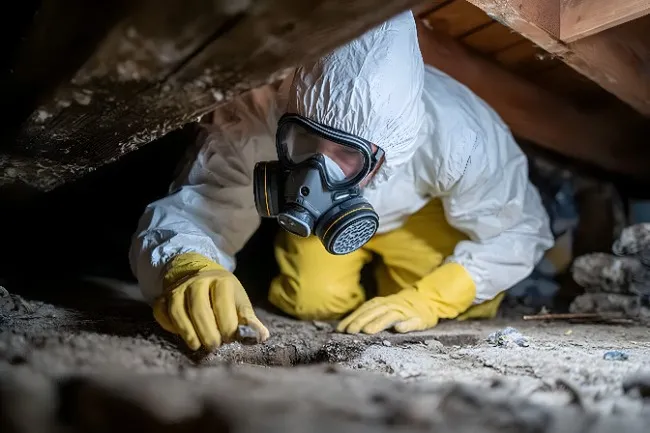
Basement & Crawl Space Mold Remediation
Basements and crawl spaces can be especially vulnerable to persistent moisture in Columbia's older and flood-prone homes. Poor drainage, groundwater intrusion, plumbing leaks, and humidity can create conditions where mold continues developing out of sight. Our mold remediation services include inspection, containment, and professional removal for both isolated and chronic mold concerns. If you notice a musty odor, visible growth, or signs of moisture in a crawl space or basement, professional mold inspection can help determine where the problem is located and what steps are needed to address it.
Why Choose ServiceMaster Recovery on Demand - Columbia for Mold Remediation in Columbia

Certified Mold Inspectors

Professional Mold Assessment

Safe Containment & Removal Process

Moisture Source Repair to Prevent Regrowth
Why Mold Can't Wait in Columbia Homes
Mold does not need months to become a problem. In Columbia's warm, humid conditions, moisture can create an environment where mold growth develops quickly.
Within 24–48 Hours: Mold spores can begin colonizing damp surfaces in Columbia's humid climate. After water enters a home through flooding, leaks, or excessive condensation, damp building materials can become vulnerable to microbial growth. Humidity can slow drying and make it harder for affected areas to return to normal moisture levels. Even when visible water is gone, moisture may remain inside walls, flooring, insulation, or crawl spaces.
Within 1–2 Weeks: Mold can spread through wall cavities, crawl spaces, and other concealed areas. As moisture persists, mold growth may expand beyond the location where it was first discovered. Hidden areas can be particularly difficult for homeowners to evaluate, while musty odors may signal a larger problem. Professional mold inspection can help identify affected areas and determine whether remediation is appropriate.
Beyond Several Weeks: Prolonged moisture can damage building materials and contribute to worsening indoor air concerns. Long-term moisture and mold growth can affect porous materials and create more extensive remediation needs. Mold is also a health concern for occupants, particularly when indoor air quality is affected. Waiting for visible growth to disappear on its own does not address the underlying moisture problem.
If you suspect mold, taking action early can help limit the scope of the problem and protect your home.
What to Do Immediately After Discovering Mold in Your Columbia Home
-
1Step 1Limit Exposure and Ventilate the Area
Keep household members and pets away from the affected space when possible. Avoid disturbing or cleaning extensive mold growth yourself and improve ventilation only when doing so will not spread contaminated particles to other areas of the home.
-
2Step 2Document the Mold Growth and Affected Areas
Take photos of visible mold, water damage, staining, and surrounding materials. Note musty odors, recent flooding, plumbing leaks, condensation, or other moisture events. This information can help a professional understand the history of the problem.
-
3Step 3Address the Moisture Source If Safely Possible
If there is an active leak or other obvious source of moisture, stop it if you can do so safely. For significant flooding, hidden leaks, electrical hazards, or contaminated water, avoid putting yourself at risk and wait for qualified professionals to assess the situation.
-
4Step 4Call ServiceMaster Recovery on Demand - Columbia for Certified Inspection and Removal
A professional mold inspection can help determine the extent of the problem and identify appropriate next steps. If remediation is needed, ServiceMaster Recovery on Demand - Columbia can help with containment, removal, and moisture-focused solutions for homes in Columbia and surrounding Midlands communities.
