Need Mold Remediation in Superior, WI?
Homeowners in Superior often need mold remediation after snowmelt basement leaks, heavy rain runoff, roof leaks, plumbing failures, attic condensation, or water damage that wasn’t dried quickly enough. Seasonal moisture shifts in the region, especially spring thaw and lake-effect storms from Lake Superior, can push water into basements and crawl spaces. Runoff moving through local drainage systems tied to St. Louis River and nearby streams like Faxon Creek, Newton Creek, Bluff Creek, and Bear Creek can also contribute to persistent damp conditions.
Many homes near Tower Avenue, Belknap Street, Barker’s Island, Billings Park, and the UW–Superior area include older foundations, rentals, and finished basements where moisture can stay hidden behind drywall, carpet padding, cabinets, flooring, insulation, attic spaces, or HVAC-connected areas. ServiceMaster Recovery by Restoration Holdings helps locate the moisture source, contain affected areas, remove mold-damaged materials when needed, perform mold cleanup on salvageable surfaces, and dry the structure to support long-term mold prevention and effective mold damage restoration.
Mold or musty odors in your Superior home? Call ServiceMaster Recovery by Restoration Holdings for professional remediation help.

Basement, Snowmelt and Stormwater Mold Cleanup
Basement mold issues in Superior are often linked to snowmelt, heavy rain, drainage challenges, or foundation seepage that leaves areas damp for extended periods. During spring thaw and storm events, water can enter lower levels of homes across neighborhoods connected to runoff channels like Faxon Creek, Newton Creek, Bluff Creek, and Bear Creek. Sump pump failures or overwhelmed drainage systems can also contribute to moisture intrusion in both finished and unfinished basements.
Affected materials may include drywall, carpet, padding, baseboards, insulation, stored belongings, furniture, and utility-room contents. Effective basement mold removal begins with identifying the moisture source, not just treating visible growth. Our process may include containment to isolate affected areas, selective removal of damaged materials, surface cleaning where appropriate, structural drying, and ongoing moisture monitoring to help prevent future mold issues.
Bathroom, Kitchen and Plumbing Leak Mold Removal
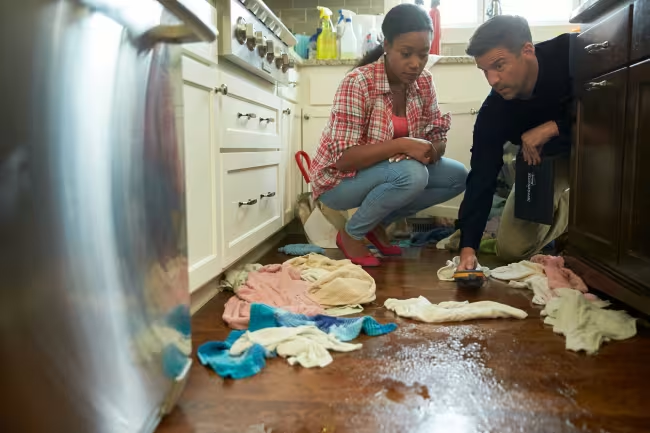
Moisture from plumbing systems is a common cause of indoor mold growth in Superior homes, especially in bathrooms, kitchens, and laundry areas where leaks can go unnoticed. Slow leaks behind sinks, tubs, or appliances such as dishwashers and refrigerators can allow moisture to spread into surrounding walls and cabinetry. In many older homes, shared walls and aging plumbing lines increase the chance of hidden water damage.
Warning signs include staining, peeling paint, softened drywall, warped cabinets, musty odors, baseboard damage, or discoloration around fixtures. Unlike basement issues, this type of mold cleanup is often tied to localized water sources inside the home. Our remediation process may include containment, removal of affected materials, targeted drying, cleaning of salvageable surfaces, odor reduction, and detailed moisture checks to ensure the problem is fully addressed.
Attic, Roof Leak and HVAC Mold Remediation
Roof leaks, attic condensation, and ventilation issues are common contributors to hidden mold growth in Superior homes, especially during cold winters and freeze-thaw cycles. Snow accumulation on rooftops around Lake Superior can lead to ice dams and moisture intrusion, while humid summer conditions can increase attic condensation. HVAC systems may also circulate moisture if ductwork or air handlers are affected.
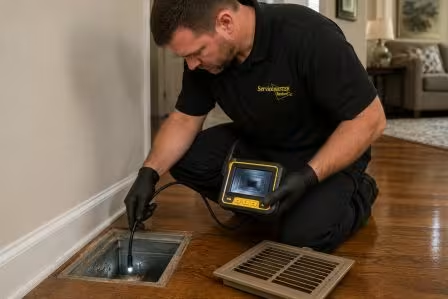
Homeowners may notice musty odors when the HVAC system runs, ceiling stains after winter storms, attic discoloration, staining near vents, or recurring odors in closed rooms. Mold often develops on insulation, framing, duct-adjacent materials, ceiling cavities, and condensate areas. Our attic mold remediation process includes moisture mapping, containment, cleaning affected surfaces, structural drying, and recommendations to help reduce recurring moisture buildup tied to ventilation or roof conditions.
Why Choose ServiceMaster Recovery by Restoration Holdings for Mold Remediation
Moisture Source Identification
Mold Containment
Professional Mold Removal
Drying and Prevention Support
Why Mold Damage Can’t Wait in Superior Homes
Mold is a moisture problem first, so effective remediation must always begin by finding and correcting the source of dampness.
Within 24 to 48 hours: Damp drywall, insulation, carpet padding, wood, and stored contents can begin creating conditions where mold growth develops quickly after water exposure.
After several days: Mold can spread behind walls, beneath flooring, inside cabinets, and into other porous materials that remain wet or humid for extended periods.
As moisture continues: Musty odors become stronger, staining becomes more visible, materials deteriorate further, and the overall scope of mold damage restoration may increase in complexity and cost.
Prompt mold remediation helps reduce material loss, limit structural damage, and decrease the chance of recurring mold growth in affected areas.
What to Do Immediately After Finding Mold in Your Superior Home
-
1Step 1Avoid Disturbing the Mold
Do not scrub, scrape, or sand visible mold. Disturbing it can release spores into nearby rooms and spread contamination.
-
2Step 2Stop the Moisture Source if Possible
If a leak is visible or ongoing, shut off water or stop using the affected fixture when it is safe to do so.
-
3Step 3Document the Damage
Take photos and videos of affected areas, stains, and materials before moving items or attempting cleanup.
-
4Step 4Call ServiceMaster Recovery by Restoration Holdings
Once the area is safe and documented, contact our team for professional mold remediation in Superior.