Need Fire Damage Restoration in Buffalo, NY?
Homeowners in Buffalo often need fire damage restoration after everyday risks escalate into serious property damage. Kitchen fires, aging electrical systems, furnace malfunctions, space heaters, fireplace flare-ups, and chimney issues are especially common during long lake-effect winters in Western New York.
Buffalo’s housing stock also plays a major role in fire and smoke spread. Many homes across neighborhoods like Elmwood Village, North Buffalo, South Buffalo, Lovejoy, and the West Side include older construction, multifamily layouts, finished basements, and shared walls. These conditions allow smoke and soot to travel quickly through stairwells, ductwork, and hidden wall cavities.
Cold-weather heating seasons increase risk as furnaces run continuously, fireplaces are used more frequently, and space heaters are placed in high-demand areas. Even a small fire can push smoke through HVAC systems, spreading residue into rooms that were never directly affected. That’s why professional fire damage cleanup is critical for safe and complete recovery.
ServiceMaster Recovery by Close – Buffalo provides comprehensive support including fire damage cleanup, soot removal, smoke odor removal, debris cleanup, contents cleaning, and full restoration coordination to help homeowners move from emergency response to recovery.
Trusted Fire Damage Restoration Help for Buffalo and Erie County Homes. Call us today!

Emergency Fire Damage Cleanup
Emergency fire damage cleanup focuses on stabilizing your home immediately after a fire has been extinguished. In Buffalo homes, this often includes kitchen fires, electrical fires, basement fires, garage fires, chimney fires, and room-and-contents fires that leave behind structural damage and widespread debris.
Once the fire department clears the property, the cleanup process can begin. The goal is to reduce further damage and prepare the home for full restoration. This stage typically includes removing charred materials, clearing debris, and addressing unstable or hazardous areas that may still pose risks.
In many cases, board-up services or temporary protective measures are used to secure broken windows, damaged doors, or exposed roof sections. This helps prevent weather intrusion—especially important during Buffalo’s snowy and wet conditions. Stabilization ensures the home is safe enough for detailed fire restoration work to follow.
Smoke, Soot & Odor Removal
Smoke damage often extends far beyond the area where the fire started. Soot particles are extremely fine and can settle into walls, ceilings, carpeting, furniture, clothing, cabinets, and even electronics. In many Buffalo homes, smoke travels through HVAC systems, spreading residue into multiple rooms.
Without proper cleaning techniques, soot can smear and cause permanent staining. That’s why professional fire restoration uses specialized methods designed for different residue types—dry smoke, wet smoke, protein residue, or fuel-based soot.
Smoke odor removal is equally important. During Buffalo’s colder months, homes are often sealed tightly, allowing odors to linger longer and penetrate deeper into porous materials. Professional deodorization targets the source of smoke particles trapped in fabrics, air pathways, and hidden structural areas.
This stage also includes surface cleaning, contents cleaning, and odor neutralization to restore indoor air quality and prevent long-term contamination.

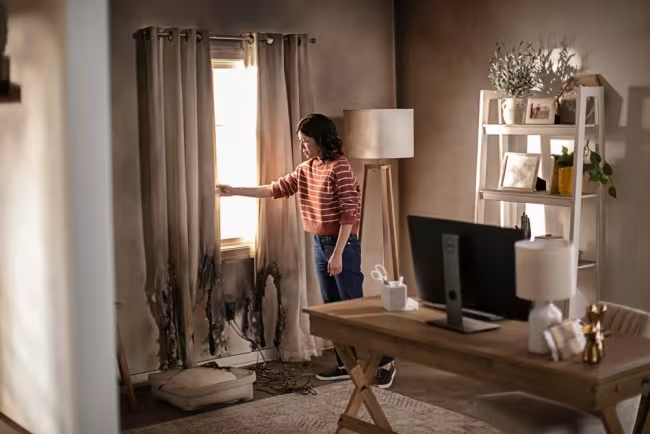
Heating Season & Chimney Fire Cleanup
Lake-effect winters in Western New York create heavy reliance on heating systems, which increases the risk of fire-related incidents. Furnaces, fireplaces, chimneys, wood stoves, space heaters, candles, and overloaded electrical outlets are all common contributors to residential fire damage during cold months.
Older homes throughout Erie County, including Buffalo’s double homes, rentals, and finished basement properties, are especially vulnerable due to aging electrical systems and high heating demand. Even a contained heating-related fire can produce widespread soot, smoke odor, extinguisher residue, and sometimes water damage from firefighting efforts.
Cleanup in these situations often includes debris removal, soot cleaning, smoke odor removal, contents support, and drying if water was used to extinguish the fire. Addressing all damage types together is essential to prevent lingering odor and hidden structural issues.
Why Choose ServiceMaster Recovery by Close for Fire Damage Restoration

Fire Damage Assessment
Smoke & Soot Cleaning
Odor Removal at the Source
Contents & Belongings Support
Why Fire and Smoke Damage Can’t Wait in Buffalo Homes
Even a small fire in a Buffalo home can quickly lead to widespread smoke residue, odor, and water damage throughout the structure.
Within hours, soot can settle onto walls, ceilings, appliances, fixtures, furniture, and personal belongings, making surfaces harder to clean if left untreated.
Within 24 to 48 hours, smoke odor begins penetrating deeper into carpets, upholstery, clothing, cabinets, basements, and HVAC systems.
After several days, lingering residue, trapped odor, and firefighting water can significantly increase the need for demolition, drying, and replacement.
Fast response fire damage restoration helps reduce long-term damage, preserve more materials, and improve overall recovery outcomes for homeowners
What to Do Immediately After Fire Damage in Your Buffalo Home
-
1Step 1Wait for Fire Department Clearance
Do not re-enter your home until officials confirm it is safe.
-
2Step 2Avoid Touching Soot-Covered Surfaces
Do not attempt to clean walls, ceilings, furniture, or belongings, as soot can smear and cause permanent staining.
-
3Step 3Document the Damage for Insurance
Take clear photos and videos of all affected rooms, belongings, and visible fire or smoke damage before moving anything.
-
4Step 4Call ServiceMaster Recovery by Close – Buffalo
Once your home is safe and documented, contact our team for professional fire damage restoration in Buffalo and surrounding Erie County communities.