Need Water Removal or Flood Cleanup in Buffalo, NY?
Homeowners in Buffalo experience water damage from a mix of harsh seasonal conditions and aging residential infrastructure. Lake-effect snow, rapid snowmelt, freeze-thaw cycles, and heavy spring rain often force water into basements, crawl spaces, and foundation cracks across neighborhoods throughout the city. In low-lying and waterfront areas near South Buffalo, Black Rock, Riverside, and along the Buffalo River corridor, storm surge and runoff can intensify flooding risks during major weather events.
At the same time, everyday issues like plumbing leaks, appliance failures, sump pump malfunctions, roof leaks, and water heater breaks frequently impact homes in areas such as Elmwood Village, North Buffalo, and Kaisertown. Our water damage cleanup process includes water extraction, moisture detection, structural drying, and full cleanup with documentation to support your insurance claim.
Water damage in your Buffalo home and need help fast? ServiceMaster Recovery by Close – Buffalo is available 24/7 for emergency response.
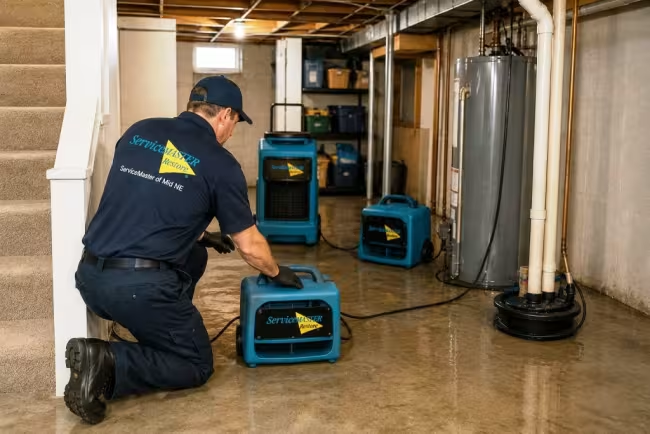
Basement Water Removal After Snowmelt & Heavy Rain
Basement flooding is one of the most common calls for water removal services in Buffalo, especially during snowmelt and heavy rain periods. As Lake Erie winter weather shifts into rapid thaw cycles, frozen ground and saturated soil push water into older foundations and basement entry points. Homes often experience standing water, overloaded sump pumps, seepage through foundation cracks, and wet carpet or finished basement flooring. Moisture can also accumulate behind stored belongings and along basement walls without immediate visibility.
Our response includes water extraction, moisture mapping, structural drying, dehumidification, cleaning affected areas, and full insurance documentation to help homeowners track damage and recovery progress.
Lake Erie & Buffalo River Flood Cleanup
Storm-driven flooding along Lake Erie and the Buffalo River can quickly impact residential properties, especially during heavy rain, wind events, and shoreline surge conditions. Low-lying neighborhoods and waterfront-adjacent homes may experience water intrusion through basement windows, doors, or ground-level entry points, resulting in wet flooring and contaminated water exposure.
In areas affected by Scajaquada Creek runoff or shoreline flooding near South Buffalo and surrounding waterfront zones, floodwater can bring debris and contamination into finished and unfinished spaces. Our emergency water damage restoration process includes rapid water removal, drying and dehumidification, cleaning and disinfecting affected areas, moisture monitoring, and insurance documentation support.


Frozen Pipe, Plumbing Leak & Appliance Overflow Cleanup
Interior water damage in Buffalo homes often happens suddenly and without warning, especially during freezing winter temperatures. Frozen or burst pipes are a major cause of emergency calls, along with water heater failures, dishwasher leaks, washing machine line breaks, and refrigerator supply line issues. Roof leaks during snowmelt or ice dam thaw can also allow hidden moisture to spread through ceilings and walls.
These issues frequently lead to water trapped inside cabinetry, beneath flooring, or behind drywall, where damage can continue unnoticed. Our residential water damage restoration approach focuses on locating visible and hidden moisture, removing standing water, drying structural materials, and monitoring conditions until affected areas reach appropriate dryness levels.
Why Choose ServiceMaster Recovery by Close – Buffalo for Water Damage Cleanup or Restoration
Local Buffalo Response
Hidden Moisture Detection
Structural Drying & Dehumidification
Cleanup & Documentation
Why Water Damage Can’t Wait in Buffalo Homes
Buffalo’s lake-effect snow, spring thaw cycles, heavy rainfall, older basements, and occasional shoreline or river flooding can all contribute to rapid moisture intrusion inside residential properties. When water enters a home, it immediately begins affecting porous materials and hidden structural areas.
Within 24 hours, drywall, baseboards, basement carpet, subfloors, insulation, and stored belongings begin absorbing moisture. Even small leaks can spread quickly through layered materials, especially in finished basements common throughout older Buffalo housing stock.
At 24 to 48 hours, moisture becomes more difficult to control as water moves behind basement walls, under flooring, around insulation, and into wall cavities. This is especially problematic in crawl spaces and finished lower levels where airflow is limited.
After several days, damage may escalate significantly, leading to warped flooring, persistent odors, weakened structural materials, and increased risk of microbial growth. If floodwater or contaminated water is involved, cleanup complexity increases further.
Fast response helps preserve more materials and often reduces the need for extensive demolition or replacement.
What to Do Immediately After Water Damage in Your Buffalo Home
-
1Step 1Shut Off the Water Source
If the leak is coming from a pipe, appliance, sump pump backup, or water heater, shut off the main water supply immediately. This helps prevent additional flooding and limits further spread inside your home.
-
2Step 2Turn Off Electricity in Affected Areas
If it is safe, turn off power at the breaker panel. Avoid any contact with standing water near outlets, appliances, or electrical systems to reduce safety risks.
-
3Step 3Document Everything for Insurance
Take clear photos and videos of affected rooms, wet flooring, basement walls, belongings, and the source of water before moving anything. This helps support your insurance claim and restoration process.
-
4Step 4Call ServiceMaster Recovery by Close – Buffalo
After safety steps and documentation, contact ServiceMaster Recovery by Close – Buffalo for emergency water damage restoration services in Buffalo. Fast response can help limit damage and begin the drying process sooner.