Need Odor Removal in Rochester, MN?
Rochester businesses may need odor removal after smoke damage, sewage backups, biohazard incidents, water damage, food-service odors, HVAC issues, musty moisture conditions, or odors that spread through occupied commercial spaces. From healthcare offices near the Mayo Clinic area to restaurants, hotels, schools, retail centers, and managed properties around Downtown Rochester, Broadway Avenue, Civic Center Drive, and the DMC district, persistent odors can affect daily operations and indoor experiences.
Odors can become trapped in carpet, upholstery, drywall, ceiling tiles, HVAC-adjacent spaces, furniture, contents, and other porous materials. ServiceMaster of Rochester helps identify odor sources, clean affected materials, remove contaminated items when necessary, deodorize impacted spaces, and support business recovery throughout Rochester and nearby commercial corridors, including areas near Highway 52 and Highway 63.
Persistent odors in your Rochester business? Call ServiceMaster of Rochester for commercial odor removal help.
Smoke, Fire and Soot Odor Removal
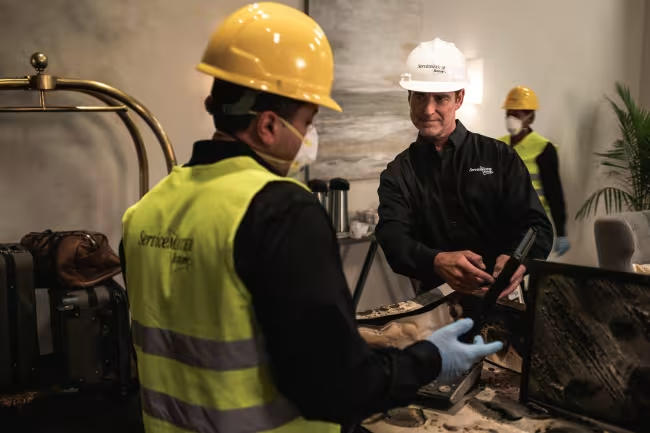
Smoke odors can remain long after a fire is extinguished. ServiceMaster of Rochester provides smoke odor removal for businesses affected by kitchen fires, electrical fires, equipment fires, warehouse incidents, tenant-space fires, and soot exposure that travels through hallways, ceiling cavities, and HVAC-adjacent areas.
Commercial properties throughout Rochester, including restaurants, hotels, offices, medical buildings, retail spaces, schools, warehouses, manufacturing facilities, and managed commercial locations, can experience lingering smoke smells after fire-related events. Smoke residue can settle into carpet, upholstery, curtains, ceiling tiles, drywall, insulation, furniture, records, inventory, and other contents.
Effective smoke odor removal focuses on addressing the source of the odor instead of covering it with fragrances. ServiceMaster of Rochester uses cleaning, contents support, deodorization methods, ventilation planning, and documentation when odor issues are connected to a larger fire or smoke loss.
By addressing smoke residue and affected materials, professional cleaning can help businesses move toward restoring a cleaner and more comfortable environment.
Sewage, Biohazard and Contamination Odor Cleanup
Sewage odors, biohazard odors, and contamination-related smells require professional cleaning approaches that address the source of the problem. ServiceMaster of Rochester helps businesses manage odors connected to sewage backups, restroom overflows, drain issues, biohazard incidents, trauma cleanup, bodily-fluid contamination, organic waste, and other sensitive situations.
These odor challenges can affect healthcare-adjacent spaces, hotels, restaurants, schools, offices, multifamily properties, lobbies, hallways, restrooms, tenant suites, parking areas, and loading spaces. Strong odors can spread beyond the original area and impact employees, visitors, tenants, patients, and customers.
Professional biohazard odor removal starts with appropriate containment, removal of affected porous materials when needed, detailed cleaning, sanitation, odor treatment, and safe documentation. Deodorization works best after the odor source has been removed, cleaned, or properly contained.
ServiceMaster of Rochester provides discreet and professional support to help businesses address sensitive odor situations while working toward restoring safe, usable spaces.

Musty, HVAC and Food-Service Odor Removal
Commercial odors are not always caused by a single event. Musty smells, HVAC odors, food-service odors, grease buildup, and recurring indoor odors can develop over time and affect businesses throughout Rochester.
ServiceMaster of Rochester provides musty odor removal and commercial odor removal support for restaurants, hotels, clinics, offices, schools, retail centers, apartment common areas, research spaces, warehouses, and industrial properties. Water damage, humidity, mechanical systems, food preparation areas, trash storage, and enclosed spaces can all contribute to unpleasant odors.
Odors may become trapped in carpet, ceiling tiles, furniture, wall materials, insulation, filters, storage contents, breakroom surfaces, and other soft goods. Our team focuses on inspection, source identification, cleaning affected surfaces, contents support, deodorization, and recommendations that may help reduce recurring odor conditions.
Addressing moisture, airflow, food-service buildup, and other everyday commercial odor sources can help improve the indoor environment for everyone using the property.
Why Choose ServiceMaster of Rochester for Odor Removal

Odor Source Identification

Cleaning Before Deodorization
Commercial Contents and Surface Support

Business Continuity Planning
Why Commercial Odors Can’t Wait in Rochester Businesses
Within hours, smoke, sewage, biohazard, food-service, or musty odors can spread from the source area into hallways, offices, guest rooms, treatment areas, tenant suites, and shared spaces.
Within 24 to 48 hours, odors can settle into carpet, upholstery, ceiling tiles, furniture, documents, drywall, and HVAC-adjacent materials, making the problem more difficult to isolate.
After several days, lingering smells, patient or guest complaints, employee concerns, tenant disruption, and repeated odor returns can make cleanup more complicated.
Prompt odor removal can help restore usable business spaces, reduce complaints, and support a cleaner indoor environment for Rochester businesses and their occupants.
What to Do Immediately After an Odor Problem in Your Rochester Business
-
1Step 1Identify the Suspected Source
Determine whether the odor appears connected to smoke, sewage, water damage, food-service areas, trash, biohazard materials, HVAC operation, or a specific room. Identifying possible sources helps guide the next steps.
-
2Step 2Restrict Access if the Odor May Be Hazardous
Keep employees, patients, customers, tenants, guests, and vendors away from areas affected by sewage, biohazard materials, strong chemical smells, or active smoke residue until the area can be properly evaluated.
-
3Step 3Document the Affected Areas
Take photos and notes of impacted rooms, visible residue, water damage, waste, damaged materials, or contents connected to the odor source before cleanup begins. Documentation can help support the recovery process.
-
4Step 4Call ServiceMaster of Rochester
Once the area is safe and documented, contact ServiceMaster of Rochester for professional odor removal in Rochester. Our team can help identify the source, determine the appropriate cleanup process, and support your business recovery.