Need Commercial Mold Remediation in Rochester, MN?
Businesses across Rochester often require commercial mold remediation after water intrusion events that are common in Minnesota’s changing seasons. Snowmelt seepage in spring, roof leaks after freeze-thaw cycles, plumbing failures, wet carpet from interior leaks, restroom moisture, and HVAC humidity buildup can all contribute to hidden mold growth when not addressed quickly.
Commercial mold issues can affect a wide range of properties including medical offices, clinics, restaurants, hotels, retail stores, office buildings, multifamily housing, warehouses, and service businesses. High-traffic areas near Downtown Rochester, Broadway Avenue, 2nd Street SW, Apache Mall, and the Mayo Clinic area are especially vulnerable due to constant occupancy and moisture variation.
Mold may present as staining on walls or ceilings, dark discoloration, persistent musty odors, visible growth on porous materials, or signs of excess moisture in drywall, carpet, or insulation. Even when not visible, odor or humidity changes can signal a deeper issue behind building materials. Left unaddressed, these conditions can disrupt operations and impact indoor air quality.
ServiceMaster of Rochester helps businesses with inspection, containment, commercial mold cleanup, drying, removal of affected materials, and full restoration coordination. Our process is designed to identify moisture sources, stop ongoing damage, and restore affected areas efficiently while minimizing disruption to daily operations.
When Rochester businesses suspect mold, fast action matters. Our team provides structured commercial mold remediation solutions that help stabilize affected spaces and support long-term building health for employees, tenants, and customers across Southeast Minnesota.
Professional Commercial Mold Removal & Moisture Cleanup. Trusted Mold Remediation Help for Rochester and Olmsted County Businesses
Mold Cleanup After Snowmelt and Roof Leaks
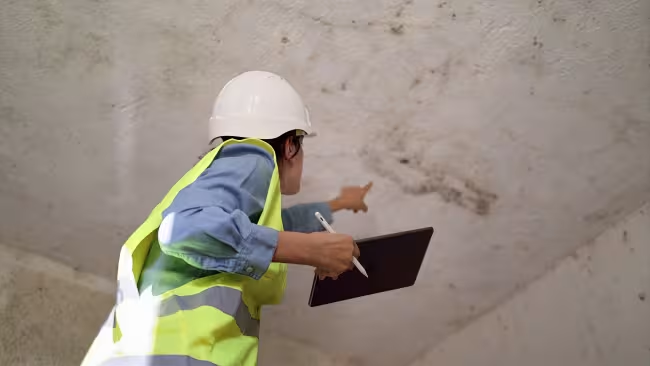
Snowmelt and seasonal roof leaks are among the most common causes of commercial mold damage in Rochester. As snow accumulates and melts, water can seep into flat or low-slope commercial roofs, clogged drainage systems, or exterior wall junctions. Once inside, moisture can spread across ceiling tiles, insulation, and wall cavities.
Offices, clinics, retail stores, storage rooms, breakrooms, tenant suites, and lower-level spaces are often affected first. Ceiling stains, bubbling paint, or damp drywall may indicate hidden moisture behind surfaces.
Effective commercial mold cleanup begins with identifying and stopping the moisture source. From there, containment barriers help isolate affected areas to prevent cross-contamination. Depending on the extent of damage, remediation may include removal of mold-impacted materials, cleaning of salvageable surfaces, controlled drying, and moisture verification to confirm conditions are stabilized.
HVAC, Restroom & Plumbing-Related Mold Remediation
Building systems can be a major contributor to commercial mold growth in busy Rochester facilities. HVAC condensation, restroom humidity, plumbing leaks, and poorly ventilated utility spaces often create hidden moisture conditions that support mold development.
Common problem areas include vents with condensation buildup, ceiling tiles near HVAC runs, pipe chases, janitorial closets, breakrooms, commercial kitchens, and utility rooms. Signs of system-related mold include musty odors when HVAC systems run, softened drywall, peeling paint, recurring moisture around fixtures, and ceiling discoloration.
These issues frequently impact medical offices, restaurants, schools, corporate offices, and multifamily properties throughout Olmsted County. Because these environments are often occupied, mold problems can quickly disrupt normal operations.
Our commercial mold remediation process includes moisture mapping to locate hidden sources, targeted containment, removal of affected materials, cleaning of salvageable surfaces, controlled drying, odor reduction, and detailed documentation for property managers and facility teams.


Wet Carpet and Tenant Space Mold Cleanup
Wet carpet is one of the fastest ways mold can develop in commercial buildings across Rochester. Plumbing leaks, sprinkler discharge, snowmelt tracked indoors, roof leaks, and entryway water intrusion during winter can all saturate carpet systems.
When carpet, padding, baseboards, and lower wall materials remain damp, mold can begin forming beneath the surface, even when flooring appears dry on top. This is especially common in offices, hallways, waiting rooms, lobbies, apartment corridors, hotel rooms, and shared tenant spaces.
The priority in these situations is minimizing disruption while restoring safe, usable space. Commercial mold removal may involve lifting carpet systems, removing saturated materials, cleaning affected structural surfaces, and implementing drying strategies that support rapid return to service.
ServiceMaster of Rochester focuses on helping businesses reduce downtime while restoring clean, dry environments that support continued operations.
Why Choose ServiceMaster of Rochester for Commercial Mold Remediation

Moisture Source Identification
Containment for Occupied Buildings
Professional Mold Removal
Drying & Business Continuity Support
Why Mold Damage Can’t Wait in Rochester Businesses
Commercial mold is fundamentally a moisture problem, which means remediation must begin by identifying and addressing the water source.
Within 24 to 48 hours, damp materials may begin creating conditions where mold can develop after water damage.
After several days, growth can spread behind drywall, above ceiling tiles, under flooring, and into carpet padding. As moisture continues, musty odors, visible staining, tenant complaints, employee concerns, and structural deterioration can become more difficult to resolve.
Fast commercial mold remediation helps protect property value, reduce operational disruption, and support safer indoor environments for employees and customers throughout Rochester.
What to Do Immediately After Finding Mold in Your Rochester Business
-
1Step 1Avoid Disturbing the Mold
Do not scrub or disturb visible mold, as this can release spores into surrounding areas and expand contamination.
-
2Step 2Stop the Moisture Source if Possible
If safe, shut off water sources, stop equipment use, or isolate the affected area to prevent further moisture intrusion.
-
3Step 3Document the Damage
Take photos and videos of affected areas, including water stains, visible mold, and damaged materials before any cleanup begins.
-
4Step 4Call ServiceMaster of Rochester
Once the area is documented and safe, contact ServiceMaster of Rochester for professional commercial mold remediation in Rochester.