

Mold After Water Damage Services Omaha NE is not just a cleanup service in Omaha, it is a critical response solution shaped by the region’s extreme weather patterns, river flood risks, and basement-heavy housing stock. Homes across the metro, especially in West Omaha, Millard, Benson, and Dundee, frequently experience moisture intrusion after spring storms, sewer backups, and Missouri River-related flooding events. Once water enters a finished basement or wall cavity, mold can begin developing quickly if it is not professionally addressed.
ServiceMaster of Omaha provides certified mold remediation designed specifically for the conditions found across eastern Nebraska. From post-flood basement drying failures to hidden mold inside wall assemblies, our team understands how moisture behaves in Omaha homes and how to eliminate it at the source while restoring safe indoor air quality.
We approach every project with local expertise, recognizing that mold growth in this region is not random, it follows predictable patterns driven by climate, construction style, and seasonal flooding across the Great Plains.
Mold damage in your Omaha home? Call ServiceMaster Cleaning & Restoration Services anytime. We're here 24/7
Why Mold Grows in Omaha, NE Homes — The Great Plains Climate Factor
Mold growth in Omaha homes is directly tied to Nebraska’s volatile seasonal climate and the city’s proximity to the Missouri River. Spring snowmelt across the Midwest increases river levels and raises flood risks throughout Douglas County. When combined with intense spring thunderstorms, Omaha frequently experiences 2–4 inches of rain in short periods, overwhelming drainage systems and leading to basement water intrusion.
Many homes in Omaha were built with finished basements, which are especially vulnerable. Once water enters these below-grade spaces, moisture can become trapped in drywall, insulation, subflooring, and framing. Without rapid drying and professional remediation, mold colonies can establish within 24–48 hours.
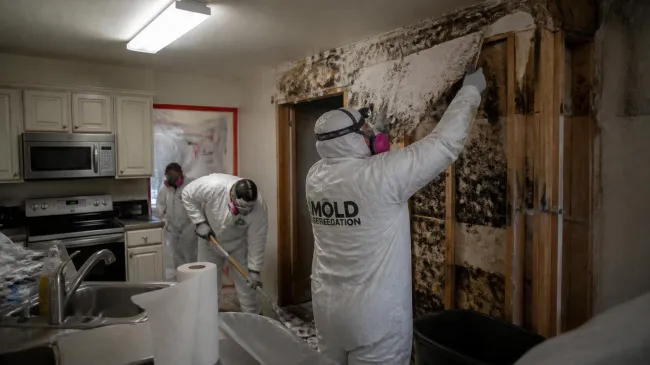
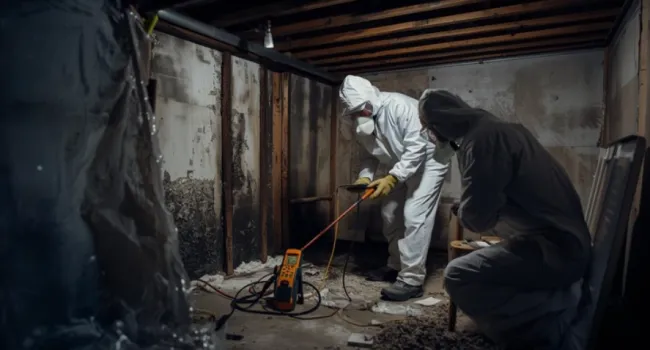
Suspect Mold in Your Omaha Home? Call Anytime — We Respond 24/7
If you notice a persistent musty odor coming from your basement, discoloration on drywall, or damp conditions after a storm, immediate action matters. In Omaha and surrounding communities like Bellevue and Papillion, mold can spread rapidly during warm, humid months.
This is especially common after Missouri River high-water events or severe spring storms that cause basement flooding. In many Douglas County homes, what appears to be surface-level mold is often just a small visible portion of a much larger hidden issue inside wall cavities or HVAC-connected spaces.
Our emergency response team is available 24/7 to assess conditions, contain affected areas, and begin mitigation before the problem spreads throughout the home.
Services
Mold Inspection & Basement Moisture Assessment (Omaha Homes)
Containment, Removal & Sewer Backup Decontamination
Post-Missouri River & Spring Flood Mold Remediation (Omaha)
Why Omaha Homeowners Choose Us for Mold Remediation
Homeowners across Omaha trust our team because we understand both the environmental and structural realities of the region.
We specialize in basement-heavy construction common throughout Douglas County, where moisture intrusion is frequent and often hidden. Our sewer backup decontamination protocols are designed for Omaha’s combined sewer overflow events, and our flood response experience includes major Missouri River seasonal flooding scenarios.
We also provide detailed documentation to support Nebraska homeowner insurance and FEMA flood claims, helping ensure remediation work is properly recorded and justified.
Why Mold Can't Wait in Omaha Homes
Nebraska’s climate accelerates mold growth, making delays costly for homeowners in Omaha and surrounding communities.
Within 24–48 hours, spores activate in damp basement environments. Within a week, visible colonies can spread into structural materials. Within a month, mold can reach HVAC systems and circulate throughout the entire home.
Without professional intervention, damage expands quickly, repair costs increase, and indoor air quality declines significantly. Early response is the key to preventing long-term structural and health-related issues.
What to Do If You Find or Suspect Mold in Your Omaha Home
-
1Step 1Do Not Disturb the Affected Area
Avoid touching or attempting to clean visible mold. In sewer-related cases, exposure can be hazardous. Keep the area closed off until professionals assess the situation.
-
2Step 2Stop Any Active Moisture Source
If safe to do so, address obvious water sources such as sump pump failure or foundation leaks. During storm season in Omaha, ensure drainage systems are functioning properly.
-
3Step 3Document the Damage
Take photos of visible mold, water staining, and any flooding history. This documentation may support insurance claims related to storm or sewer backup events in Douglas County.
-
4Step 4Call for Professional Assessment
ServiceMaster of Omaha provides 24/7 emergency response across the metro, including Bellevue and Papillion. Our certified technicians assess, contain, and remediate mold using basement-specific protocols designed for Nebraska’s climate conditions.
