

New Orleans sits largely below sea level, protected by an extensive levee and pump system, in a setting that creates water damage risks most American cities don’t face. The city’s hurricane season, its dependence on the Sewerage & Water Board’s drainage pumps, and its high water table combine to make water intrusion an ongoing concern for homeowners throughout the year, not just during major storms.
From hurricane and tropical storm flooding to the intense summer thunderstorms that can overwhelm the city’s drainage system faster than pumps can keep up, water damage in New Orleans requires a response designed specifically for this city’s unique conditions. ServiceMaster Building Services provides 24/7 water damage restoration in New Orleans, LA, delivering emergency water extraction, structural drying, cleanup, and restoration services throughout the metro area.
Water Damage in New Orleans? Humidity and Heat Mean the Mold Clock Starts Immediately — Call Now
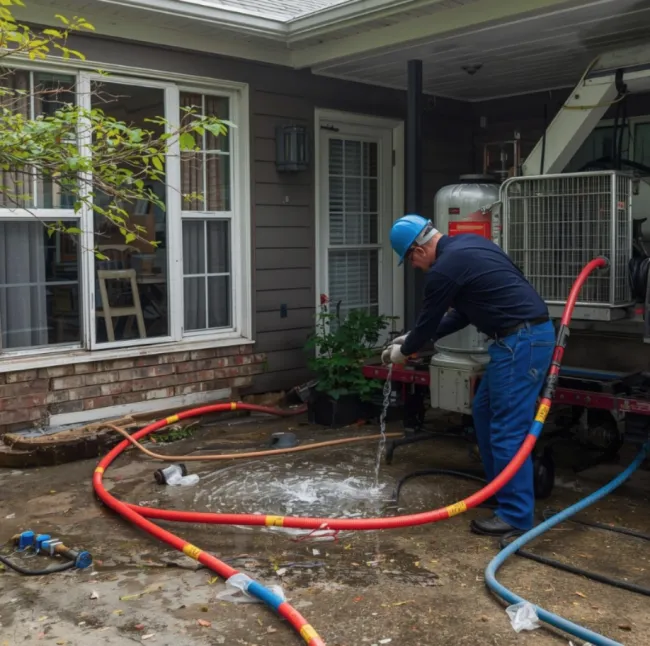
Water Damage in Your New Orleans Home or Property?
New Orleans experiences water damage at a frequency and intensity that few American cities face. Hurricane season runs from June through November, bringing the possibility of storm surge, hurricane-force winds, and the kind of intense rainfall that overwhelmed the city’s drainage system during past storms.
Even outside hurricane season, sudden intense thunderstorms common in the summer months can drop rainfall faster than the city’s pump stations can remove it, leading to street flooding that can enter homes throughout low-lying neighborhoods. Many homes throughout the city’s historic districts, including the French Quarter, Garden District, and Mid-City, feature raised foundations, older plumbing, and drainage systems that may be more vulnerable to water intrusion.
The city’s naturally high water table and humid subtropical climate also mean that groundwater and moisture pressure against foundations and slab homes is a constant, low-level concern even without a major storm event.
Call Now for 24/7 Water Damage Restoration in New Orleans
Living in New Orleans means understanding that water damage is not always a rare event. Hurricane season, intense summer storms, and the city’s high humidity create conditions where delays can quickly increase restoration challenges.
Because the surrounding air already carries significant moisture for much of the year, water-damaged materials in New Orleans often cannot dry naturally the way they might in a drier climate. Mold can begin developing in wet structural materials within 24–48 hours, especially in the city’s warm, humid conditions. Fast action from a local restoration team helps limit damage, protect your home, and reduce the overall restoration process.

Complete Water Damage Restoration Services in New Orleans
Hurricane & Tropical Storm Flood Water Extraction
Gulf Coast Humidity Structural Drying & Mold Prevention
Complete Water Damage Restoration & Louisiana Insurance Documentation
Why Water Damage Restoration Can’t Wait in New Orleans Homes
In New Orleans’ subtropical, below-sea-level environment, untreated water damage can quickly become more extensive.
Recurring hurricane season storms: New Orleans’ hurricane season brings repeated storms that can worsen existing damage. A compromised roof, drainage issue, or structural opening can allow additional water intrusion during the next weather event.
Gulf Coast humidity slows drying: Because the air already contains significant moisture for much of the year, water-damaged materials often cannot dry without professional intervention. Hidden moisture can remain inside walls, flooring systems, and foundations.
Mold growth can begin quickly: New Orleans’ heat and humidity create ideal conditions for mold growth. Mold may begin developing in wet materials within 24–48 hours after water exposure.
Calling ServiceMaster Building Services immediately after water damage helps reduce further damage and supports a faster recovery.
What to Do Immediately After Water Damage in Your New Orleans Home
-
1Step 1Stop the Water Source if Possible
If the damage comes from a plumbing issue, such as a burst pipe, overflowing fixture, or failed appliance connection, shut off the water source if it is safe to do so. For hurricane or street flooding situations, avoid entering unsafe flood areas and follow guidance from local emergency officials before returning to affected properties.
-
2Step 2Document the Damage Before Cleanup
Take photos and videos of affected areas before removing materials or beginning cleanup. Document standing water, damaged belongings, wall staining, and visible flooding levels for your insurance or flood claim.
-
3Step 3Avoid Running HVAC Equipment
If significant flooding or water intrusion has occurred, avoid operating your HVAC system until it has been professionally inspected. Moisture can spread through ductwork and contribute to additional indoor air quality concerns.
-
4Step 4Call ServiceMaster Building Services
Contact our team for 24/7 water damage restoration in New Orleans and throughout the metro area. We respond quickly with professional water extraction, drying equipment, cleanup services, and restoration solutions designed for Gulf Coast conditions.
