

Serving Azusa and the San Gabriel Valley with complete weather damage restoration — from post-wildfire debris flows and atmospheric river flooding on the San Gabriel Mountain foothills to Santa Ana wind events and the structural damage Southern California’s weather extremes can deliver to foothill communities.
Call Now for 24/7 Weather Damage Restoration in Azusa
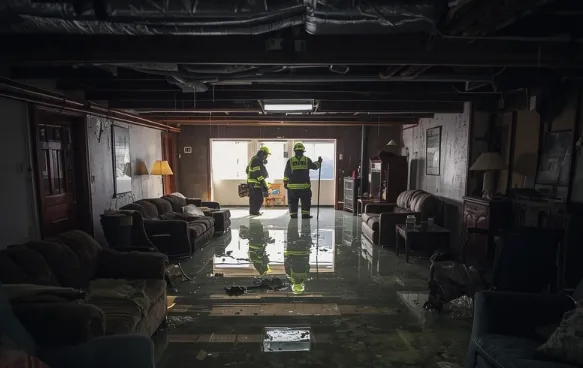
Weather Damage in Your Azusa Home or San Gabriel Valley Property?
Azusa and the eastern San Gabriel Valley experience several distinct weather-related hazards. Post-wildfire debris flows from the San Gabriel Mountains can carry sediment, debris, and contaminated water into foothill areas when intense rainfall follows a fire season. Atmospheric river events can produce concentrated rainfall that overwhelms drainage systems and causes water intrusion through roofs, stucco assemblies, and other vulnerable areas.
Azusa sits at the base of the San Gabriel Mountains, where the San Gabriel River canyon meets the San Gabriel Valley floor. That location creates a weather damage profile unlike what many communities across the country experience. Instead of one predominant type of severe weather, Azusa properties can face a combination of atmospheric river flooding, post-wildfire debris flows, intense rainfall, and Santa Ana wind damage.
When burned mountain slopes receive heavy rain, sediment, water, and debris can move rapidly through mountain drainages and threaten downstream properties.

Weather Damage Restoration Services for Azusa Properties
Emergency Board-Up, Tarping & Debris Flow Securing
Debris Flow Sediment Extraction & Atmospheric River Water Removal
Structural Assessment & Complete Weather Restoration
Why Weather Damage Restoration Can't Wait in Azusa Homes
Weather damage can continue developing after the storm itself has passed. In Azusa's foothill environment, several factors make prompt restoration particularly important.
Atmospheric river season recurrence: Major winter storm systems can affect Southern California repeatedly. A roof penetration, damaged stucco assembly, or other opening left unrepaired can allow additional rainfall into the structure during subsequent events.
Post-wildfire debris flow escalation: Burned mountain slopes can remain vulnerable to erosion and debris movement while vegetation and soil recover. Additional heavy rainfall can create new hazards and compound damage to already affected properties.
Stucco moisture trapping: Water that enters behind a stucco exterior can remain within building assemblies even after the visible surface appears dry. Hidden moisture can contribute to deterioration and create conditions favorable to microbial growth if it is not identified and properly dried.
The sooner professional restoration begins, the sooner your property can be protected from additional exposure, and the extent of the damage can be determined.
What to Do After Weather Damage in Your Azusa Home
-
1Step 1Wait for the Official All-Clear After Debris Flow Events
If your property is in an area affected by a post-wildfire debris flow, follow instructions from local emergency officials before returning. Active flows and unstable conditions can remain dangerous after the initial event.
-
2Step 2Document Damage Before Cleanup
When it is safe to do so, photograph and video affected areas before removing damaged materials or making temporary repairs. Document roof damage, sediment deposits, flooding, damaged walls, and other visible conditions for your records and insurance claim.
-
3Step 3Don't Attempt Stucco Repairs Before Assessment
Avoid sealing or patching a damaged stucco area before the underlying assembly has been evaluated. Moisture may have migrated behind the visible damage, and premature repairs could interfere with proper assessment and drying.
-
4Step 4Call ServiceMaster by T.A. Russell
Contact ServiceMaster by T.A. Russell for 24/7 weather damage restoration in Azusa and throughout the San Gabriel Valley. Our team can respond to storm damage, atmospheric river water intrusion, Santa Ana wind damage, debris flow cleanup, and the restoration need that follows severe Southern California weather.
