

Serving Lexington and the Midlands with complete mold damage restoration — from crawl space moisture near Lake Murray and hot, humid summer condensation to tropical storm rainfall and the specific mold conditions South Carolina's climate creates in Midlands homes.
Mold Damage in Lexington? Midlands Humidity and Moisture Don't Wait — Call Now.
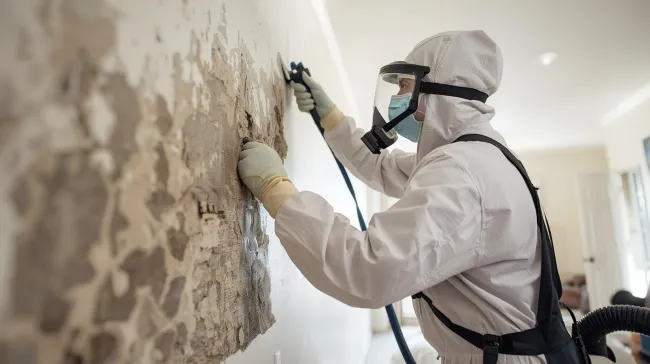
Mold Damage in Your Lexington Home or Midlands Property?
Lexington and the greater Midlands region experience mold damage from three distinct conditions that define the South Carolina homeownership experience. Crawl space moisture is one of the most persistent concerns. The area's proximity to Lake Murray, combined with poorly ventilated crawl space foundations, can create humid conditions that support mold growth beneath the home.
Mold Damage in Lexington? Midlands Humidity and Moisture Don't Wait — Call Now.
Whether you've discovered mold during a crawl space inspection, noticed a persistent musty odor during a humid summer, or found water intrusion after a tropical storm, prompt action matters. In Lexington's Lake Murray-area environment, moisture can remain hidden beneath floors, inside walls, or in other enclosed spaces long after visible surfaces appear dry. Visible mold may also indicate a larger moisture problem that needs to be identified and corrected.
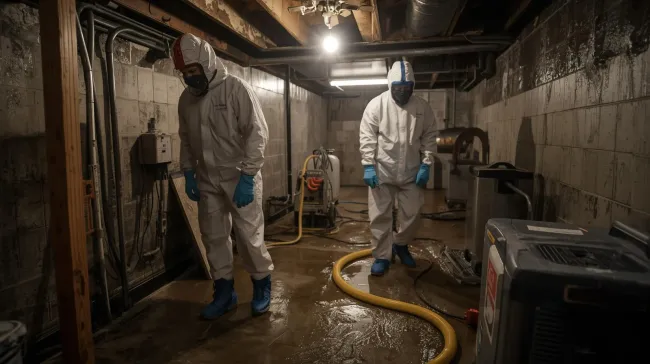
Professional Mold Damage Restoration Services in Lexington, SC

Mold Inspection & Crawl Space Moisture Assessment
Professional Mold Remediation & Containment

Moisture Control, Encapsulation & Complete Restoration
Why Mold Damage Restoration Can't Wait in Lexington Homes
Lexington's humid Midlands climate can make unresolved moisture problems particularly persistent. Waiting to address mold may give the underlying conditions more time to affect additional materials and areas of the home.
Humid season recurrence: South Carolina's hot, humid season can create repeated opportunities for mold growth. A moisture problem in a crawl space, attic, or other enclosed area can continue contributing to mold conditions until the source is corrected.
Crawl space mold spread: Mold that begins beneath a Lexington home may not remain isolated to the crawl space. Air movement through floor assemblies, HVAC pathways, gaps, and other openings can contribute to the movement of spores and musty odors into living areas.
Storm-driven moisture trapping: Heavy rain from tropical storm remnants and other severe weather can introduce moisture into flooring, insulation, subflooring, and wall cavities. Materials that remain damp after the visible water is gone can continue creating conditions favorable to mold growth.
Calling ServiceMaster Fire and Water Restoration Columbia at the first sign of mold or unexplained moisture can help limit the extent of the problem and prevent a small issue from becoming a more extensive restoration project.
What to Do After Discovering Mold in Your Lexington Home
-
1Step 1Do Not Disturb Visible Mold Before Assessment
Scrubbing, spraying, or otherwise disturbing visible mold can potentially spread contamination to other areas. If you discover mold, avoid unnecessary contact with the affected area and arrange for a professional assessment.
-
2Step 2Document All Damage Before Cleanup
Take photographs and video of visible mold, water stains, moisture damage, and the areas surrounding the problem before cleanup begins. Keep records of any known water intrusion, leaks, storms, or other events that may have contributed to the damage. This documentation can be useful when discussing a potential homeowners insurance claim.
-
3Step 3Address the Moisture Source, Not Just the Mold
Removing visible mold without identifying the source of moisture may leave the conditions that allowed the growth to develop in place. In a Lexington crawl space, attic, wall cavity, or other affected area, determining where moisture is coming from is an important part of the restoration process.
-
4Step 4Call ServiceMaster Fire and Water Restoration Columbia
Contact ServiceMaster Fire and Water Restoration Columbia for 24/7 mold damage restoration in Lexington, SC and throughout the Midlands. Our team can assess the affected areas, develop an appropriate remediation plan, address moisture-related concerns, and provide documentation throughout the restoration process.
