Proper Residential Mold Inspection & Removal For Eugene Homes
Fast, thorough mold inspection and removal can help protect your Eugene home and give your family greater peace of mind. When moisture creates the conditions for mold growth, finding the source is an important first step toward addressing the problem.
ServiceMaster of Eugene is locally operated, IICRC-certified, and serves homeowners throughout Lane County. Our team provides 24/7 residential mold inspection and removal, helping you identify moisture problems and determine the next steps for your home.
Other signs there might be mold growing in your home include:
- Visible signs of water damage: Watermarks, discoloration, and persistent condensation may indicate mold growth.
- Peeling paint: Peeling or bubbling paint may indicate that moisture is trapped behind it and mold is growing.
- Musty odors: Unpleasant musty smells can indicate the presence of mold in the area.
- Fuzzy spots of growth: Fungal growths such as black, green, gray, or white fuzzy spots may appear on walls or other surfaces in the home.
Our highly trained technicians have the expertise and equipment needed to handle any type of mold issue efficiently and effectively. We use advanced technology and techniques that are designed to eliminate the entire source of the infestation so your problems are gone for good.
ServiceMaster is alongside you throughout the process, so you can rest easy knowing that your home is once again safe and healthy for you and your family.
Found mold in your Eugene home? ServiceMaster of Eugene is available 24/7 to discuss your residential mold concerns.
How Does ServiceMaster of Eugene Remove Mold From Homes?
ServiceMaster of Eugene follows a structured process to identify mold, contain affected areas, remove contaminated materials, and address moisture. Here's what homeowners can expect when seeking residential mold removal in Eugene.
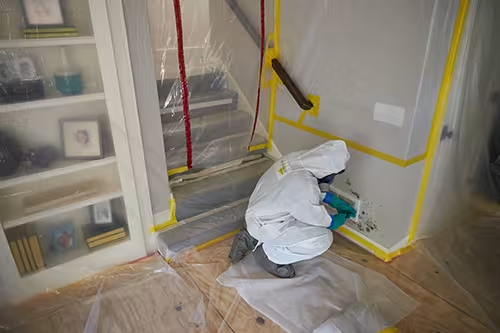
Thorough Property Inspections
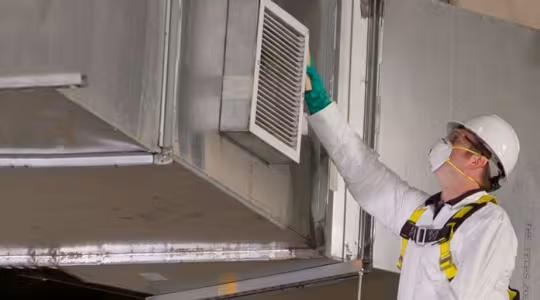
Technicians assess visible mold and potential moisture sources using moisture meters and thermal imaging. Depending on the situation, the inspection may include crawl spaces, attics, bathrooms, and areas behind walls or flooring.
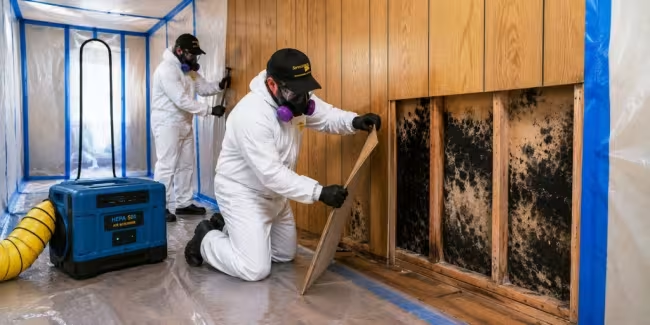
Mold Containment
Barriers help isolate the work area and reduce the spread of mold-contaminated dust and debris into other parts of your home during removal.
Proper Removal & Remediation
Depending on the extent of the damage, affected drywall, insulation, or sub-flooring may need to be removed. Appropriate EPA-registered antimicrobial products may be applied as part of the remediation process, including in cases involving suspected black mold.
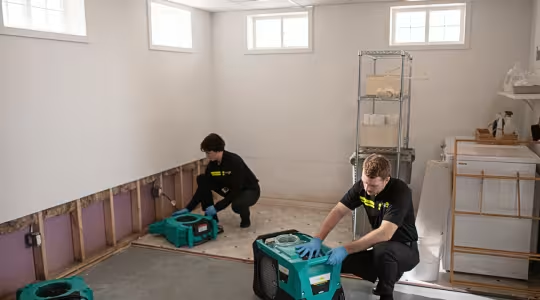
Drying and Documentation
Technicians monitor moisture levels as affected areas dry. Documentation of the damage and restoration work can also help support your insurance claim.
From attic to basement, we’ll find it—schedule your mold check now.
What's Causing Mold in Your Eugene Home?
Mold in Eugene homes often starts with moisture that collects in crawl spaces, enters through aging roofs, or seeps into a property after water intrusion. Identifying the source is essential to effective mold remediation.
Why Mold Can't Wait in a Eugene Home
Eugene's rainy winters and damp indoor spaces can allow mold to develop wherever moisture persists, including crawl spaces, closets, bathrooms, and areas behind walls.
Mold can begin growing on damp materials within 24–48 hours under favorable conditions. If water reaches insulation, carpeting, drywall, or wood framing, delaying an assessment gives the moisture more time to affect surrounding materials. Homes that have experienced water intrusion near Amazon Creek or the Willamette River may need particular attention to areas that stayed wet after the initial incident.
Mold can also affect indoor comfort and air quality. Some people experience allergy symptoms, coughing, or respiratory irritation when exposed to mold. Individuals with asthma or existing sensitivities may be more affected.
Over time, persistent moisture can damage subflooring, framing, and insulation. A problem that initially affects one damp area may require more extensive repairs if the underlying cause remains unresolved through the wet season.
Professional mold testing may help answer specific questions about suspected contamination, depending on the circumstances. An inspection can also help identify moisture conditions that need attention.
Acting early can make it easier to address localized damage before flooring, drywall, or other building materials require replacement.
How Does ServiceMaster of Eugene Remove Mold From Homes?
ServiceMaster of Eugene follows a structured process to identify mold, contain affected areas, remove contaminated materials, and address moisture. Here's what homeowners can expect when seeking residential mold removal in Eugene.

Thorough Property Inspections
Mold Containment
Proper Removal & Remediation

Drying and Documentation
The specific work required depends on the source of moisture, the extent of contamination, and the condition of the building materials. Throughout the process, the goal is to address the affected areas and the moisture conditions contributing to mold growth.
Why Eugene Homeowners Trust ServiceMaster of Eugene for Mold Removal
Full-Home Moisture Mapping
Safe, Contained Removal
Family-Safe Treatments
Local Crawlspace & Attic Expertise
What to Do If You Find Mold in Your Eugene Home
If you discover mold, take a few practical steps before professional help arrives. Limiting exposure and documenting the damage can help protect your household and make the inspection more productive.
-
1Step 1Limit Access to the Affected Area
Keep family members and pets away from rooms or crawl spaces where mold is visible. Avoid disturbing the material, which could release spores or contaminated dust into the air.
-
2Step 2Address Any Active Moisture Source, If Safe
If a leaking pipe or appliance is responsible, stop the water supply if you can do so safely. Avoid entering flooded areas or attempting repairs that present electrical or structural hazards.
-
3Step 3Document the Mold and Water Source for Records
Photograph or record video of the affected area and any visible source of moisture before touching or cleaning anything. Keep these records for your insurance company and restoration team.
-
4Step 4Call ServiceMaster of Eugene
Arrange a professional inspection to assess the visible mold, investigate moisture, and determine appropriate next steps. ServiceMaster of Eugene is available 24/7 and serves homeowners throughout Lane County.
Reclaim a healthier home—start your mold removal with our team now.