Comprehensive Storm Repair and Restoration For Lake Zurich Homes
When severe weather damages your Lake Zurich home, ServiceMaster DSI - Lake Zurich provides 24/7 emergency storm damage restoration to help you regain control quickly. From wind-damaged roofs and fallen trees to basement flooding and water intrusion, our restoration team can address the damage, remove affected materials, and help restore your home.
At ServiceMaster DSI - Lake Zurich, we understand the devastating impact weather damage can have on your home. Our professional team is dedicated to providing comprehensive weather damage restoration and storm damage repair services to help you get back on your feet as quickly as possible.
Need immediate storm damage restoration service? Call ServiceMaster DSI - Lake Zurich and our technicians are here to help.
The Types of Storm Damage Risks Lake Zurich Homes Encounter
Weather damage can occur in many forms, from wind and hail damage to flooding and lightning strikes. Regardless of the type of damage, our team at ServiceMaster DSI - Lake Zurich is equipped with the knowledge, skills, and tools to restore your property to its pre-damage condition.
Storms can affect Lake Zurich homes in several ways, particularly during Illinois' spring and summer severe-weather season. Heavy thunderstorms can bring intense rainfall, straight-line winds, hail, and lightning, while winter storms can create ice, snow, and freezing conditions that damage roofs, siding, and other parts of the home. Properties near Hawthorn Woods, Forest Lake, and the shoreline around Lake Zurich can also experience drainage and water-intrusion problems when heavy precipitation overwhelms yards, gutters, or sump pumps.
When storm damage occurs, ServiceMaster DSI - Lake Zurich responds with a restoration process designed to address both visible and hidden damage. Technicians can inspect affected areas, extract standing water, dry moisture-damaged materials, remove unsalvageable contents, and help protect exposed areas from additional weather damage. Moisture detection equipment can help identify water that has moved behind walls, beneath flooring, or into other concealed areas.
For homeowners searching for residential storm damage restoration in Lake Zurich, IL, the priority is getting the property stabilized before a temporary problem becomes a larger restoration project. Fast action can help limit secondary damage, protect salvageable materials, and give you a clearer path toward returning your home to normal.
Let us handle the damage so you can focus on your family—call today.
What Storm Damage Restoration Services Can Your Lake Zurich Home Need?

Wind and Hail Damage Cleanup
Strong thunderstorms and severe wind events can damage shingles, gutters, siding, windows, fencing, and exterior structures. Hail can leave punctures, cracks, and other openings that may allow rainwater into attics, walls, and finished rooms.
ServiceMaster DSI - Lake Zurich can assess the affected areas and help address the resulting water and structural damage. If roof or exterior damage has exposed the interior, the restoration process should begin quickly to reduce the opportunity for additional moisture to enter during subsequent rainfall.
Storm Water Removal and Drying
Lake Zurich's heavy summer rainfall can overwhelm drainage systems and cause water to enter basements, crawl spaces, garages, and other low areas. A failed sump pump, clogged drainage route, or saturated soil can make the problem worse.
After water enters your home, technicians can use professional extraction equipment to remove standing water and begin structural drying. Moisture meters and other detection tools help locate areas that may remain damp after visible water is gone. Drying affected materials thoroughly is important for reducing the risk of lingering moisture and secondary damage.

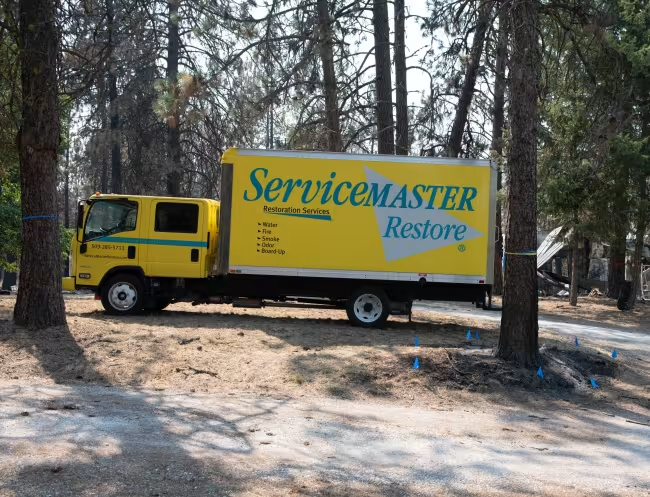
Tree and Debris Damage Cleanup
Severe winds can bring down branches and trees, potentially damaging roofs, windows, siding, decks, garages, and other structures. Fallen debris can also create openings that expose the interior to rain.
After the property is made safe, restoration work can focus on removing affected debris and addressing resulting water or structural damage. If additional repairs are necessary, the restoration process can help coordinate the transition from emergency stabilization to reconstruction.
Why Choose ServiceMaster DSI - Lake Zurich for Storm Damage Restoration?
24/7 Emergency Response
Advanced Moisture Detection
Professional Water Extraction
Structural Drying and Dehumidification
Why Can't Storm Damage Wait in Lake Zurich Homes?
Lake Zurich experiences humid summers, freezing winters, and significant seasonal changes that can make storm-related moisture especially problematic. Once water enters a home, the condition of building materials can change quickly.
Within the first 24 hours, visible damage can spread. Drywall may absorb water and swell, flooring can begin to buckle or warp, insulation can become saturated, and moisture may move into wall cavities or subfloors. If a roof leak occurs during heavy rain, even a relatively small opening can allow substantial water into the attic or upper levels of a home.
Within 24 to 48 hours, hidden moisture becomes a greater concern. Damp insulation, drywall, wood, and other porous materials can remain wet even after standing water has been removed. Lake Zurich's summer humidity can make it more difficult for moisture to evaporate naturally, increasing the importance of controlled drying and dehumidification.
After several days, secondary damage can become more difficult to address. Persistent moisture can contribute to odors, deterioration of materials, and microbial growth. Water that remains trapped beneath flooring or behind walls can also continue affecting the structure even when the surface appears dry.
Winter storms create a different set of concerns. Freezing temperatures can cause ice accumulation, frozen plumbing, and additional stress on already damaged exterior components. A roof or window opening that is not properly stabilized can allow snow or melting ice to introduce more moisture into the home.
Acting quickly after a storm gives you a better opportunity to limit the spread of damage and determine which materials can be cleaned, dried, and restored instead of replaced.
How Does Storm Damage Restoration Work From Start to Finish?
Storm restoration begins with understanding what happened and determining which areas of the property have been affected. The exact process depends on whether your Lake Zurich home has experienced water intrusion, wind damage, hail damage, fallen-tree impact, or a combination of problems.
For Lake Zurich homeowners, the goal is not simply to remove what is visibly damaged. Effective storm damage restoration addresses the underlying moisture and structural issues so that the property can move safely from emergency response toward recovery.
What Should You Do After Storm Damage to Your Lake Zurich Home?
If a severe storm has damaged your property, prioritize safety first and avoid taking unnecessary risks while inspecting the damage.
-
1Step 1Wait Until the Property Is Safe
Do not enter areas with active electrical hazards, structural instability, gas odors, or significant flooding. If the storm has caused major structural damage, wait for emergency personnel or qualified professionals to determine whether the property is safe to enter.
-
2Step 2Stop Additional Water Intrusion If Safe
If you can safely identify an active source of water, such as a broken supply line, you may be able to shut off the home's water supply. Do not climb onto a damaged roof or attempt dangerous exterior repairs yourself.
-
3Step 3Document the Damage
Take photos and videos of damaged roofing, windows, ceilings, walls, flooring, furniture, appliances, and personal belongings before moving or discarding affected items. Detailed documentation can provide useful information when communicating with your insurance company.
-
4Step 4Call ServiceMaster DSI - Lake Zurich
Once everyone is safe and the immediate situation has been documented, contact ServiceMaster DSI - Lake Zurich for emergency storm damage restoration. The sooner professional restoration begins, the sooner water can be removed, moisture can be controlled, and additional damage can be addressed.
Stop water and wind damage in its tracks—book your repair now.